Category Archives: Flowers

Lavender Growing Tips from a Professional Lavender Farmer in the Southeast

I love lavender. It’s one of my go-to essential oils and a good lavender foot soak with salt is THE BEST! So, when my husband surprised me with a special mother/daughter lavender farm tour and workshop in Thomson, Georgia I was thrilled! Of course, it is more fun to travel as a family so I asked if he and one of our sons could tag along.

When we arrived at our hotel Friday evening, we were given two wonderful gift bags full of information on what we could do during our stay as well as treats and Thomson, GA swag (like a fun tumbler, luggage tags, vinyl stickers, and a drink cozy) and a couple of gift cards to use in the area (which we were delighted to take advantage of to stretch our dollars!

I’ve never been to Thomson before, but it’s a quaint town just outside of Augusta that is evidently known for a local music event called the Blind Willie McTell Music Festival (note: this Jazz festival is coming up Sept 23, 2023) and the Belle Meade Hunt Opening Meet which it hosts annually the first Saturday in November. There are also some large nurseries in the area that grow and ship out to the local region that used to have a large plant sale once a year, but when I checked out the event Web site, they hadn’t had the event the past three years for some reason. Bummer. Love me a good plant sale.

McDuffie Public Fishing Area near Thomson, Georgia is stocked from the nearby fish hatchery with plenty of room to fish.

Saturday morning we enjoyed a complementary breakfast at our hotel (nice spread with plenty of options) and then headed toward the fishing area where we planned to drop-off my husband and son at the lake which was five minutes away from where our tour and workshop was to take place at White Hills Farm.

Our Tour, Workshop, and Luncheon at White Hills Farm

The owner, Amy, was friendly and made us immediately feel welcome. She has a beautiful shop on site where she hangs her lavender bundles to dry. You could smell the lavender in the air and the cool A/C was a welcome already at 10 am in the morning.

She immediately took us on a tour of her gardens where we saw not only the lavender she grew, but also rosemary and other herbs, veggies, and legumes.

Varieties to plant in the Southeast and how to plant

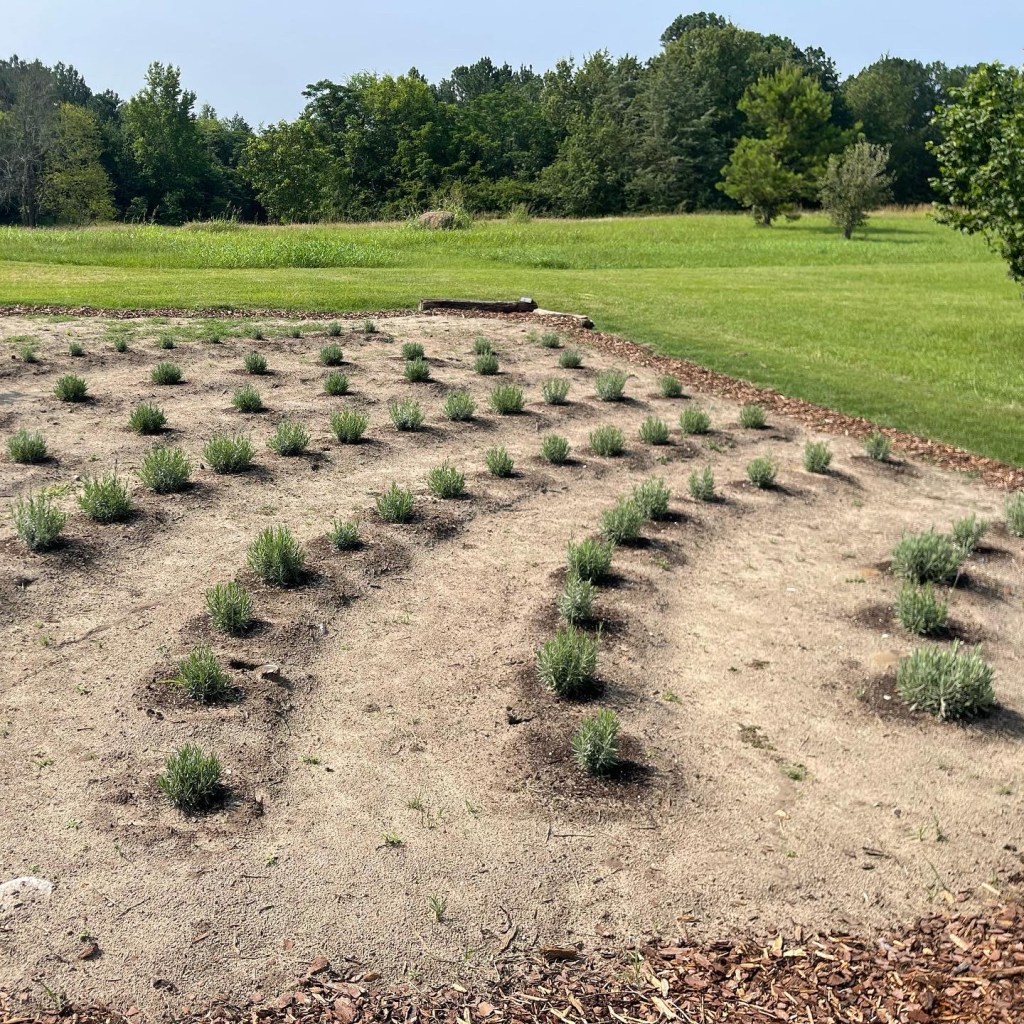
When she showed me her newly planted lavender bed, she said that lavender likes sandy soil with good drainage. She recommended a mix of 1 part sand, 1 part potting soil, & 1 part compost. She recommended to water daily at first & then wait a day, water, & then 2 days, water, & then 3 days, water, and so forth until established continuing to spread time out between waterings while watching the young plant for any stress. In the Southeast, you will want to look for varieties that tolerate heat and humidity of course. She likes the varieties “Grosso” and “Lavendula X Intermedia” (aka: Provence) for cuttings & “Lavendula Angustifolia” aka: English Lavender for culinary use.
We grabbed a refreshing cool drink of Hibiscus Tea with lavender simple syrup and went out to harvest some lavender from her established hybrid lavender plants which were buzzing with busy bees. Amy showed us how to harvest, focusing only on stalks with larger flower bud heads and cutting the stem low, but where it was still green. If you cut down into the woody area, it will not continue to grow stalks from that area.

Workshop on how to make your own bundles to dry

We sat down to make bundles of our lavender to dry and a little vase to fill with culinary herbs Amy had collected while we walked and talked earlier on the garden tour. We were then treated to a nice lunch under two 100 year old pecans. The shade was lovely and the spread was beautiful and tasty as well!

Rosemary and lavender bundles to dry and a sweet little culinary herb bouquet to take home.
Rolls, chicken salad, pimento cheese, garden-to-table cucumber, and grape salad with yogurt, pecans and brown sugar (YUM!)
Strawberry cup cake on pretty floral plates.

My daughter and I had quite the laugh when one of the farm cats jumped up onto the table to try and sample our chicken salad. Another farm cat came along and soon the two were vying to compete for the food they knew was close by. Lunch and entertainment! LOL

Tips for Drying Lavender for Herbal Use in Tinctures, Salves, Sachets, and More

When drying herbs, you can make bunches to hang and secure them with a rubber band, but don’t make too large or you may get fungal issues in the center of the bunch. Your lavender needs warm air circulating around it to dry well. Amy also had some screens positioned to dry other herbs she was growing in her garden in her workshop and store area. If you use screens, just make sure you don’t use metal screens, but nylon. If you have a dehydrator (how I dry mine) lay out (flowers still on stem, without overlapping) & keep heat circulating 90°-100°F for 24-48 hrs until stem is crispy dry. Defoliate (strip) petals from stem and store in an amber jar with a lid that seals in a cool dry place until you are ready to use.

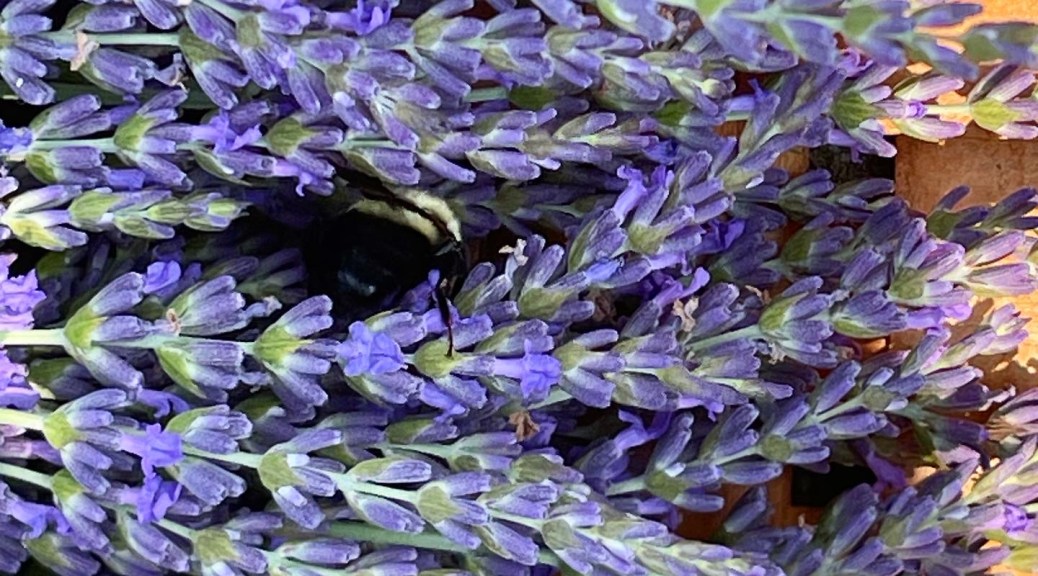
Can you see the bee?
Gift shop with fresh herbal teas to drink and cool off while you enjoy the farm.

Ideas for using culinary lavender

Amy also kindly shared some ideas for using lavender to enjoy with food:

  • Make a lavender simple syrup and add to most any beverage (teas, juice, cocktails, or sparkling water). If you’re wanting to try making your own lavender simple syrup, you can grab the recipe here.
  • Make infused sugar or infused salt (add several sprigs to a jar of sugar and let it sit up to six (6) weeks
  • Add lavender buds to your scrambled eggs or omelette while cooking (eggs and lavender pair well together).
  • Add to salad dressings and marinades.
  • Cook in lavender when making jams and jelly.
  • Decorate tops of cakes, cupcakes, desserts.
  • Bake with lavender (for most recipes, add about 1 Tbsp ground lavender to recipe.)
  • Roast chicken or port with a little lavender (and rosemary , too!)

Lavender Simple Syrup Flower Essence

I first enjoyed this at White Hill Farm in Dearborn, GA with Hibiscus Tea. The owner, Amy, shared this recipe with me and it was so fun to try I wanted to share with you!

  • Way to Heat Purified Water
  • Container with lid to store simple syrup in fridge when not using
  • Mixing Spoon
  • 1-cup measuring cup
  • 1 cup sugar
  • 1 cup purified filtered water
  • 8 or 10 sprigs dried lavender
  1. Add boiling water to sugar in a a 2-cup Pyrex measuring cup and stir (or boil together in small saucepan on stove.)

  2. When sure is dissolved, break apart lavender stems and add to sugar mixture.

  3. Let steep for 30-60 minutes until desired taste, then strain out lavender.

  4. Lavender syrup will keep in the refrigerator for about 3 weeks.

Lavender Lemonade:
1 cup lavender simple syrup (recipe above)
1 cup fresh squeezed lemon juice from 4-6 lemons
4 cups of filtered cold water

Combine all ingredients and taste. Add more syrup or juice if desired. Serve chilled or over ice.

Beverage ideas for herbal syrups:

  • Make a simple syrup using fresh mint, rosemary, basil, thyme, organic rose petals, hibiscus, or your favorite herb.
  • Add to unsweetened black or green tea.
  • Add fresh fruit juice and syrup to unflavored carbonated water (such as La Croix, Perrier, or soda water) to create your own bubbly sodas.
flower essence, lavender, simple syrup, syrup

If you’re interested in visiting Amy’s lavender farm, White Hills Farm, and staying in Thomson, you can enjoy the same package we did by using this link. Be sure to let them know you heard about it from Grow Your Health Gardening! (We don’t get a kick back, but it helps them know how to best serve future interested visitors.)


Thomson, Georgia has some good local eateries

A few other highlights from the trip included eating at a barbecue place called Pigg-ah-boo’s. It was recommended by Amy whose husband liked to smoke meat as well. My husband makes amazing barbecue as well, so we love to try out other barbecue places while traveling. To be honest, when we first arrived I had my doubts. There was no one else there and the place lacked ambiance. But we sat down and soon others started to arrive to get food as well. Everything tasted fantastic!

Pigg-ah-Boos was worth the stop if you like good barbecue.

The next day we tried Fernanda’s Grill and Pizzeria because it was one of the few restaurants opened (and was also one of the recommendations Amy gave us. The food there did not disappoint either and we ate well! The above pizza pictured is called the “Fahgetaboutit” and was super filling. The service was good and we didn’t have to wait long to get our food on Father’s Day even though the place was busy.

Travel midweek and call ahead for tour of Georgia’s first all-robotic Dairy Farm

We tried to check out the first robotic dairy farm in Georgia, but you have to organize a tour in advance and minimum is $100 for them to even give a tour. They only tour through the week, so if you’re a week-end traveler, skip this option or call in advance to make arrangements.

Fun shopping, but shop before 3 pm on Saturday!

We did find some cool vintage stuff at a place called Aunt Tique and Uncle Junks. It was so nice that they stayed open until 6 pm as most of the shops in town closed at 3 pm and were closed on Sunday. I picked myself up a few vintage medicine glass pieces to put herbal tinctures in at a later date.

Aunt Tique and Uncle Junks is worth the stop (closed Sundays).
Check out E.T. hanging out in the VW in front of the store.
Vintage goods high and low, but easy to shop. We found some treasures!

All in all, a fun week-end getaway. If we were to go again, I would research places on our interest list and when they are open/closed because we missed out on some neat looking gift shops because of our Saturday morning plans and didn’t realize most of the stores shut down at 3 pm on a Saturday and then are closed on Sunday. I also wish the hotel’s pool had been open, because our kids would have really enjoyed swimming. But we were glad to know that fishing wasn’t too far away, because the guys really were able to relax lakeside for a few hours each day which was nice. I also loved the farm tour and am planning where I can plant some of the cultivars that Amy recommended. I would eat at the same places again and try to squeeze in a few more local restaurants instead of opting for familiar chain eats near the hotel our first night.

Part of the fun of traveling is trying new foods and seeing new things, so getting our game plan ahead of time would be helpful. If you want to visit Thomson, GA, check out this page they have created for out-of-towners visiting. If you live in the Atlanta area, be sure to check it out sometime! And don’t forget to plant some lavender this year!

Until later,

—Erin

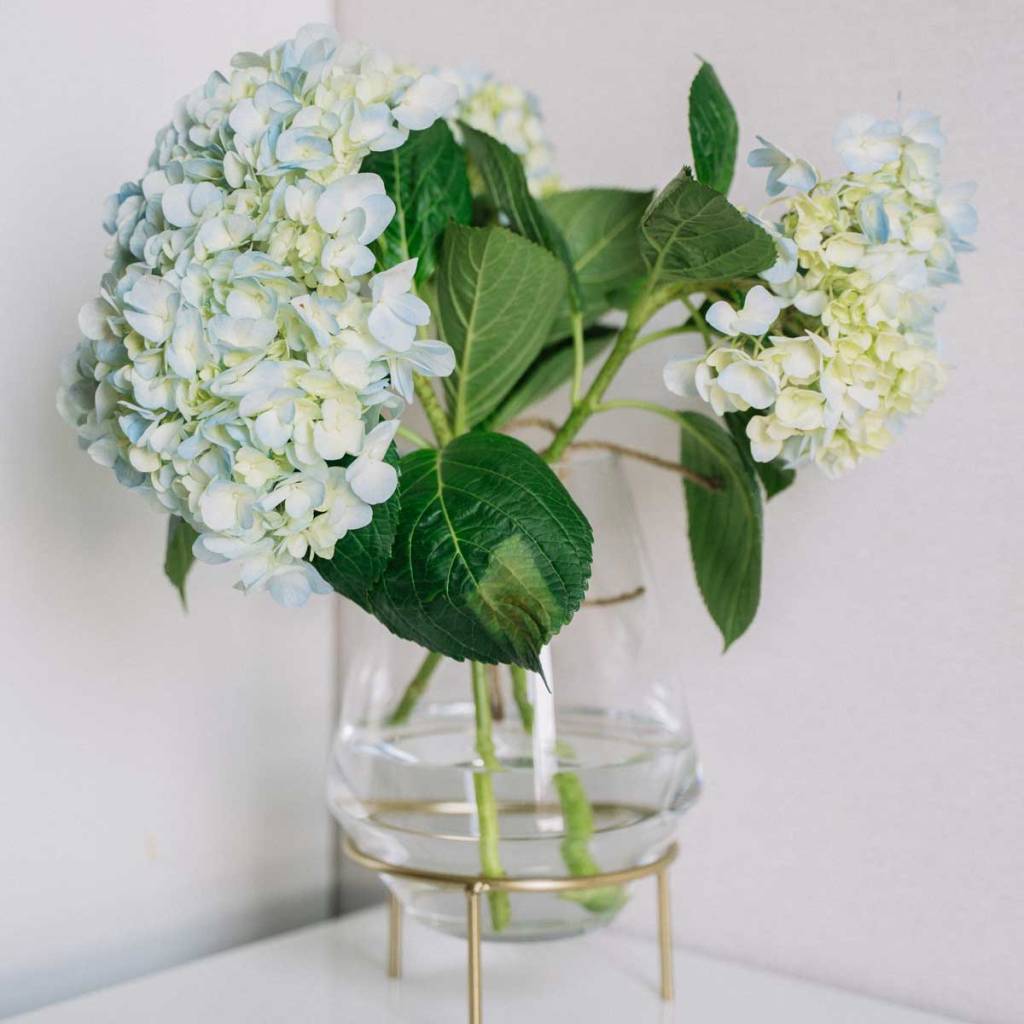
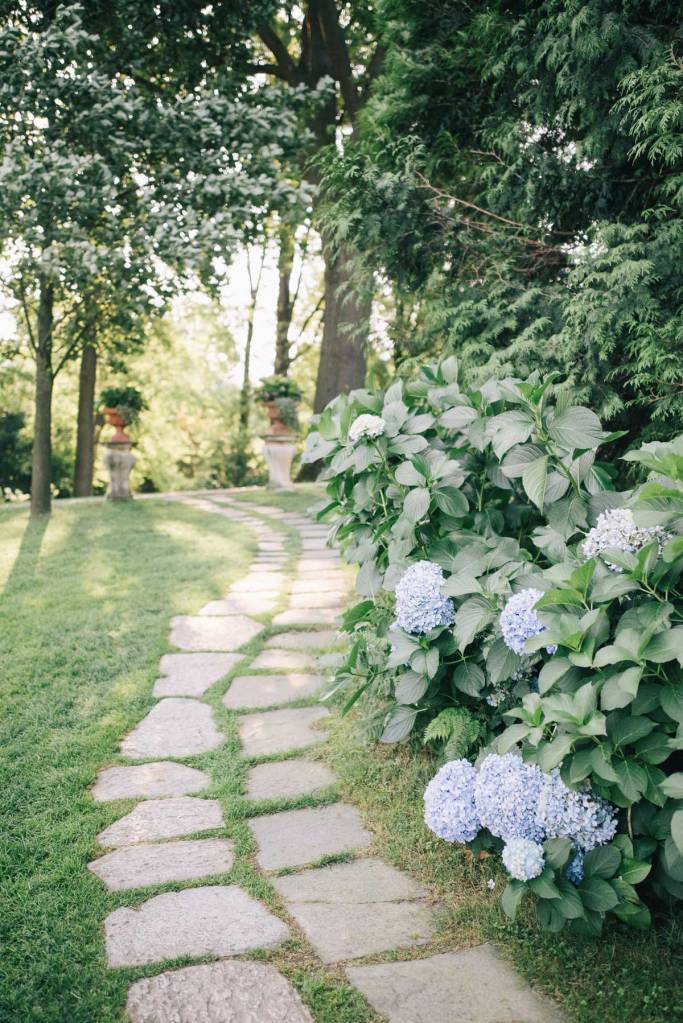
5 Hydrangea Care Tips to Maximize Your Blooms this coming Growing Season

Erin Castillo | GYHG and Certified Hydroponic Grower, Gardening Writer
Wednesday, February 16, 2022

For those wondering when to prune hydrangeas in Georgia or in Zone 7, now is a fantastic time to think about these beautiful ornamentals and learn any basic care considerations to act on now for big blooms later in your growing season. Here we will deep dive into how to grow hydrangeas in the South and five care tips to consider.

Location depends on cultivar — Be sure to check your variety’s sun or shade needs before planting. If you messed up, you may want to move it while dormant in cold months

The Hydrangea is a perennial typically in Zones 5-9 (with a few rare varieties that are exceptions and can live in Zones 3-4 with winter protection), but this can greatly differ depending on your cultivar, so be sure to check the growing tag that comes with your plant from your local nursery or Monrovia has put together a good resource page you might want to check out as well.

The location you place your hydrangea also matters in the Southeast. You’ll want to protect your hydrangea plant from the extreme summer intensity of the sun (we don’t call it “Hotlanta” for no reason!) Note: be sure to check your cultivar as some hydrangeas do prefer full sun, part sun, or shade.

Conversely, if your Hydrangea is too exposed to extreme cold winter winds and extreme cold weather temperatures, your plant may not form adequate bud formation. Planting your hydrangea near a structure that retains heat while also offering a wind break (like a brick building or foundation) will help your plant produce the stunning of blooms for display you seek. If your temps reach down towards zero degrees or lower, you will want to carefully wrap your Hydrangea plant with a layer of thick burlap to protect forming buds from cold injury. Take wire fencing the height slightly taller than your hydrangea bush and make a circle around your plant then wrap burlap or a cover designed for protecting plants from frost around your plant. This will protect those forming buds and dramatically affect your plants ability to bloom for the following growing season.

What to Add to Your Soil and When You Should Make Adjustments

Before adjusting anything with your soil, be sure to do a soil test at the same time every year (preferably in the fall (October-November). A soil test can be submitted to your local County Extension Office and costs between $7-$12 depending on your particular extension. Be sure to note when submitting your soil test, that you want to get recommendations for hydrangeas. The County Extension will send your soil sample off for a test and you will get detailed instructions on what exactly needs to be added to your soil to feed your hydrangea plants and to keep them healthy.

While waiting for your soil test results to come back, you can do a quick test with 2 tablespoons (30 mil) soil + 1 tablespoon (15 ml) distilled water) and add vinegar. If your soil fizzes, your soil is alkaline! If there is no fizz, get a new sample. Test 2 tablespoons (30 mil) of soil + 1 tablespoon (15 mil) of distilled water + add baking soda. If your sample fizzes your soil is acidic. If it doesn’t fizz, soil is in the neutral 7.0 range most likely.

In the late fall or early winter months (when no snow is present), a top-dressing of compost will feed the soil micro-biology surrounding your plant and make nutrients available to your Hydrangea plant feeding it through the winter. You can also mix in some used coffee grounds and crushed egg shells into the soil and even a fine dusting of wood ash left over from your Green Egg (if you have one) or fire pit (just make sure any coals/ash scooped are cold). You can also add Bone Meal at this time which is slow to break down and only utilized by the plant with soil pH is below 7.0. These additions add acidity and alkalinity to the soil. But remember, these adjustments take three months or more to take effect, so act now if you haven’t prepped your soil beneath your beautiful hydrangea.

How to Get New Hydrangea Plant Starts with Little Effort

And while we are discussing fall / winter soil amendment strategies… if you take a low-lying branch from your Hydrangea and allow it to touch the soil and place a stick with a hook on the end (where you have broken off a branch from the main stem) or a metal u-pin if you have one on hand (even a light rock may do the trick) and essentially have the stem touch the soil and the “mother” plant will put down roots and create a baby plant come spring with adequate moisture. Check it again in 3-4 months and then prune that branch from the mother plant early spring (typically here in Georgia, you can see roots forming on propagated stems by late February.)

When to Prune your Hydrangea in Georgia

Hydrangeas (Bigleaf H. macrophylla, French, and Oakleaf H. quercifolia) flower buds from on old wood. Big Leaf cultivars include Mophead, Lacecap, Mountain hydrangeas. You want to prune these after flowering and shape your bush at that time.

If your Hydrangea is (Panicle H. paniculata, Smooth Hydrangea arborescens also called wild hydrangeas), flower buds will form on new wood, so prune when the hydrangea plant is dormant and remove spent blossoms after flowering (aka: deadhead). This will include your Snow Ball variety.

As a general rule, plants that flower before May ideally should be pruned following their bloom. Plant that flower after May can be pruned just prior to spring growth during dormancy (Jan/Feb). There are of course plants that are exceptions — those being late-flowering azaleas that bloom during May, June, or even July as well as the hydrangeas that bloom on old wood (mentioned above.)

You will want to prune away any disease, dead, stray or broken branches at anytime.

How to Change Your Hydrangea Bloom Color

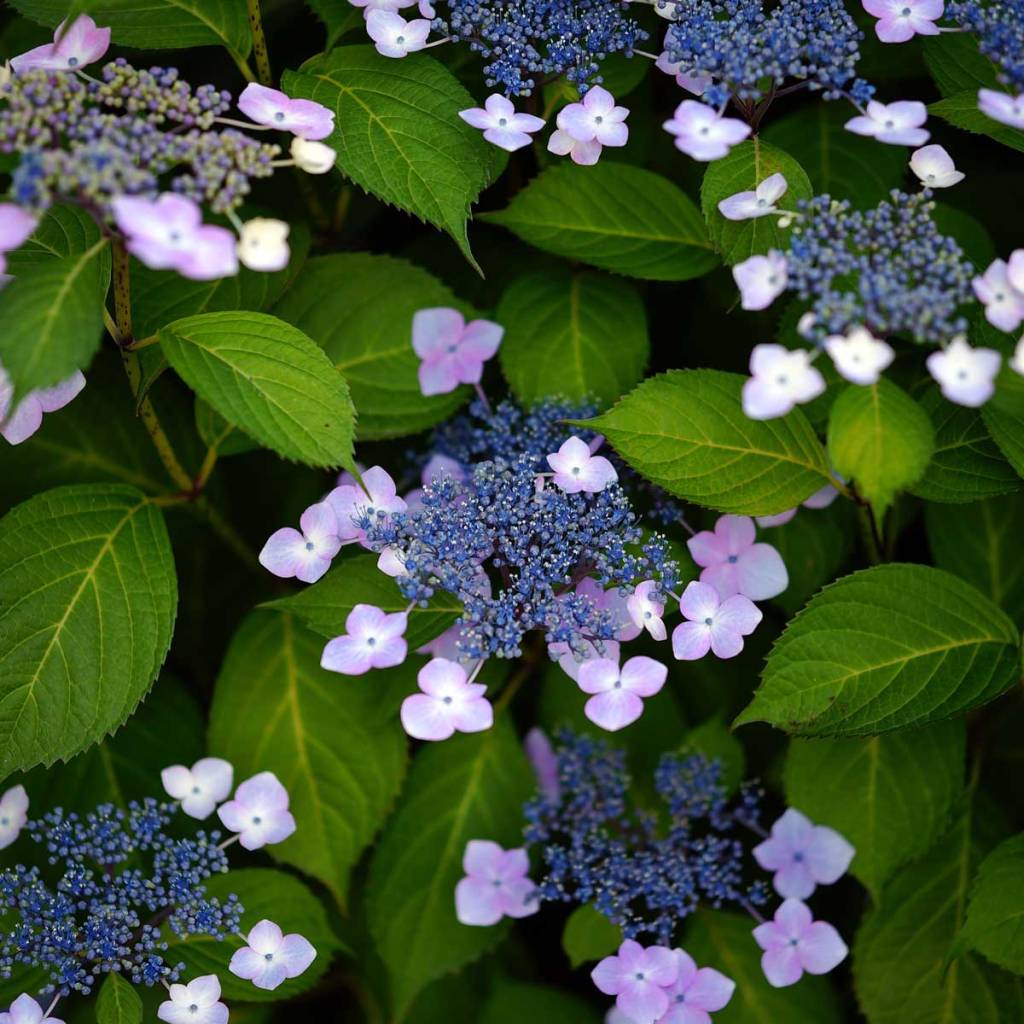
Not all hydrangea species change color. White cultivars are an example of this, however, varieties such as Hydrangea macrophylla and H. serrata can range in color from pink to blue, fuchsia, plum and even periwinkle. High levels of aluminum in the sol plus having acidic soil pH will generate the coveted bright blue to purple flower shades.

For blue hues, you will want to use soil amendments like elemental sulfur and gypsum. You can also use an organic fertilizer containing cottonseed meal when feeding the plants. Adding aluminum sulfate to the soil isn’t necessary and could be harmful. Aluminum is plentiful and not an essential plant nutrient and too much of it can actually be toxic.

Recipe for blue flowering hydrangeas:
1/2 cup (120 ml) sulfur per 10 square feet (1 square meter) to alter the soil’s pH.

Recipe for pink flowering hydrangeas:
1 cup (235 ml) garden lime per 10 square feed (1 square meter) to alter the soil’s pH.

Remember, changing the pH of your soil is a gradual process that can take up to a year for the color change to take effect. You may also want to use pine straw as a mulch on top of the soil which will naturally break down over time, but will feed the micro-organism in your soil. Pine Straw, though minimal, may make your soil slightly more acidic over time and multiple applications. These hydrangea plants require plenty of moisture to get to the flowering stage, so put some sort of mulch (Pine Straw, wood chips, leaf mold, straw, or a living mulch that is a low spreading ground cover) down to help suppress weeds and maintain moisture. (Remember, you don’t want to ever have bare soil!)

How to Preserve Hydrangea Blooms to use in Home Decor

When your Hydrangea begins to bloom, pick a full new bloom in the morning and dry it slowly and hang upside down with a clothespin to a hanger in a room with good circulation (preferably indoors where humidity levels are lower due to Air Conditioning.) Allow the bloom to completely dry and then use in whatever decorating application. They are especially pretty as a wreath. Just spray with a clear craft finishing spray to preserve color. The also look pretty as a dried floral bouquet arrangement.

If you haven’t explored growing a hydrangea bush, I encourage you to give it a try! It’s a wonderful showy flowering bush that will bring enjoyment whether fresh or dried! Do you have a tip that has worked well in caring for your hydrangeas? Feel free to share in the comments below!

Happy Growing!

Erin

PS: If you are married, the Hydrangea is traditionally the fourth anniversary flower to give your love. I personally think any day and any year is a wonderful time to give a flower to someone you love. 😉

Erin Castillo is a wife and mother to five in Atlanta, Georgia. She grows food using organic methods for her family and also produces seed to sell, some of which is grown hydroponically and adapted to those growing conditions making it ideal for Tower Garden, FarmStand and Aerogarden home growers. If you want to check it out, you can find it at GYHG Seed Co. She is also certified in hydroponics and volunteers as a guest writer for her local gardening community.

Sources:

  • Dorn Ph. D., Sheri and Sawyer, Sarah. Georgia Master Gardner Handbook, 8th Edition. University of Georgia Extension. Copyright 2021 University of Georgia College of Agricultural and Environmental Sciences ISBN 978-0-528-94356-8
  • Monrovia “10 Things Hydrangea Lovers Should Know
  • Hudson, Jr., Charles. Hudson’s Southern Gardening Published by Topper and Love, Atlanta Georgia. Copyright 1953, 1958
  • My mother (God rest her soul) who shared with me what worked for her gorgeous blooms and how she would dry them and save them for me to enjoy in my own home decor.
  • For further reading: Success With Success With Hydrangeas: A Gardener’s Guides: A Gardener’s Guide Lovers

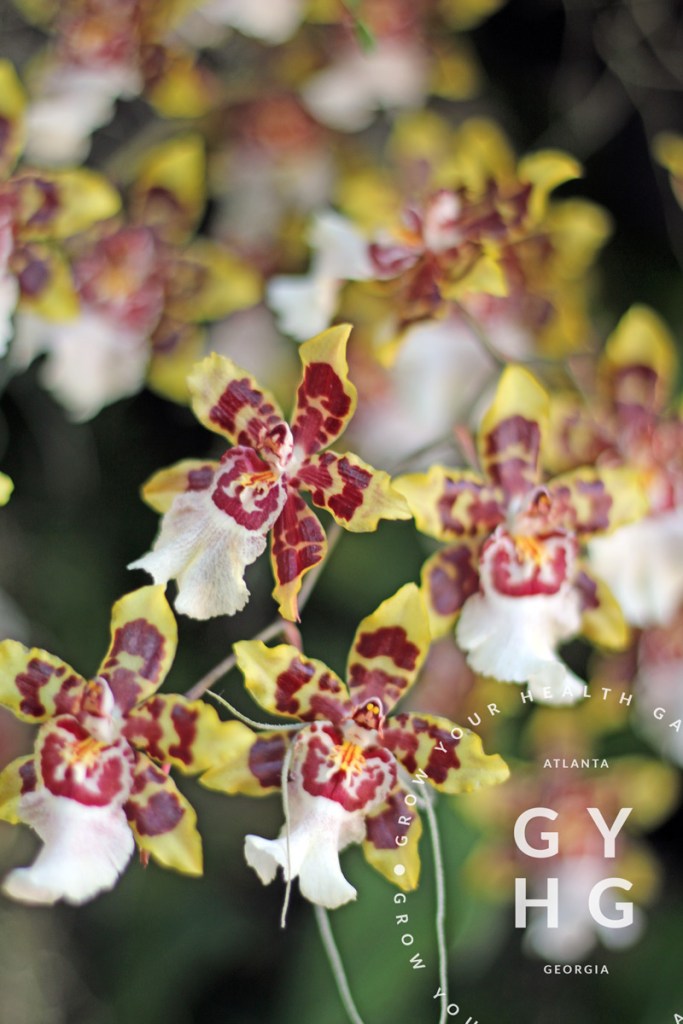
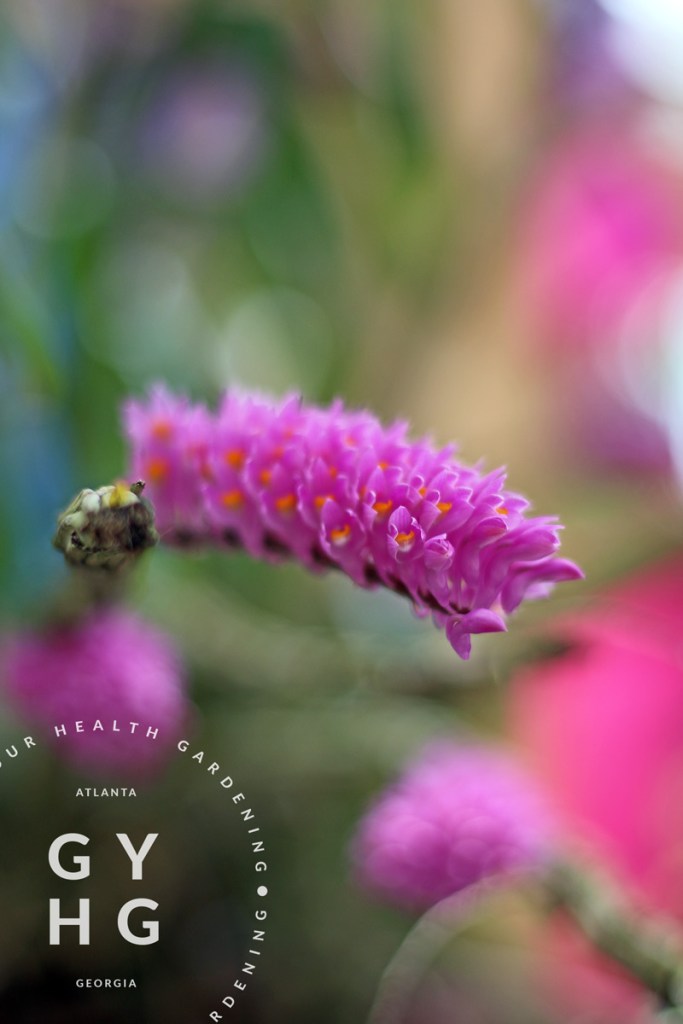
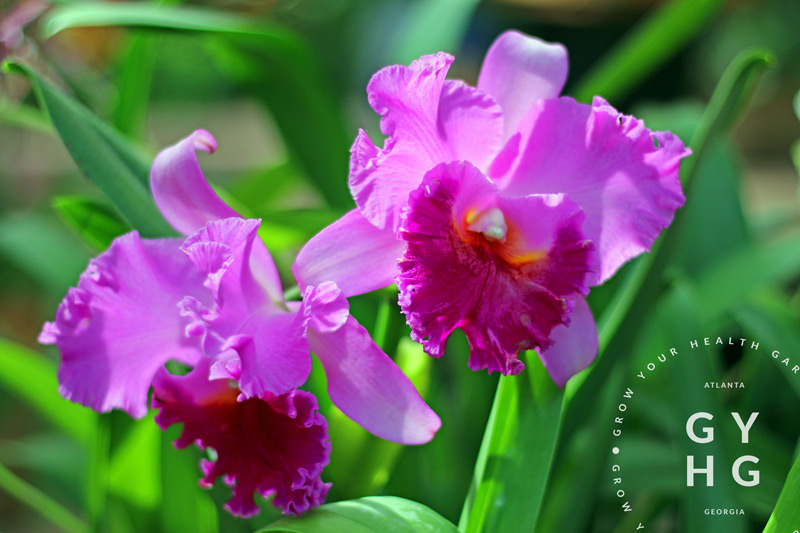
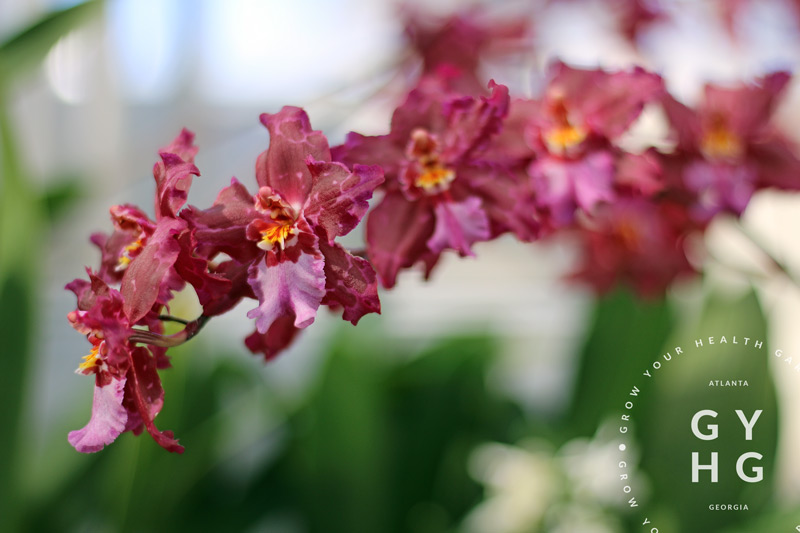
Atlanta Botanical Garden Orchid Daze 2021

My 20-year-old son, who is also a Master Gardener, has a special interest in orchids. He loves to find an orchid on the sale table at the nursery and restore it back to it’s original vigor. And when his rescued orchid blooms for the first time we all stand in awe of his handiwork.

So, when the Atlanta Botanical Garden announced they would have another Orchid Daze exhibit, he and I had to make a trip to see the Fuqua Conservatory and Orchid Center in all her splendor—and she didn’t disappoint. We took along my littles and our camera to capture some photos to share with y’all, but they all just don’t do the beauty justice.

The Atlanta Botanical Garden touts the largest collection of species orchids on permanent display in the United States. If you love orchids, Atlanta is where you want to go to see rare and amazing finds, offering more than 200 genera and 2,000 species of orchids — the largest and most diverse plant family in the world.

Which one is your favorite? I can’t pick just one!

This was an odd year as we wore masks into the greenhouse and on the grounds of the Atlanta Botanical Garden. But the rules and new guidelines didn’t stop us from enjoying the splendor.

Did you know? The Atlanta Botanical Garden is home to one of the largest orchid collections at any public garden in the world! 

This one looks like little angels…
Not an orchid, but these Pansies were pretty in the courtyard…

The Atlanta Botanical Garden is showcasing Orchid Daze Saturday, Feb.13 – Sunday, April 1. Click here for more details: https://atlantabg.org/plan-your-visit/atlanta-garden-calendar/orchid-daze/