Category Archives: Garden Planning

New Tomato Variety Releases for 2024 — Part 3 — Kellogg’s Breakfast

Today, we continue sharing about our favorite tomato varieties and what we are releasing for 2024. If you want to catch-up, you can read part 1 here and part 2 here.

Remember, all of the varieties mentioned in this article can be found on our store.growyourhealthgardening.com (and if you sign-up for our newsletter on our store, you’ll get a 15% off coupon to save money on any $15 seed order. Remember, we always include a free package of seeds with every order!)

As you may recall, I shared previously how Craig Schaaf, a grower from Michigan who uses the Korean Farming Technique (KFT), had generously shared some of his favorite tomato varieties with me through a mutual seed swap. That brings us to our next favorite variety which also comes from Craig; Kellogg’s Breakfast Tomato.

Kellogg’s Breakfast Tomato is named after orange juice and Darrell Kellogg who submitted the variety to the Seed Savers Exchange.
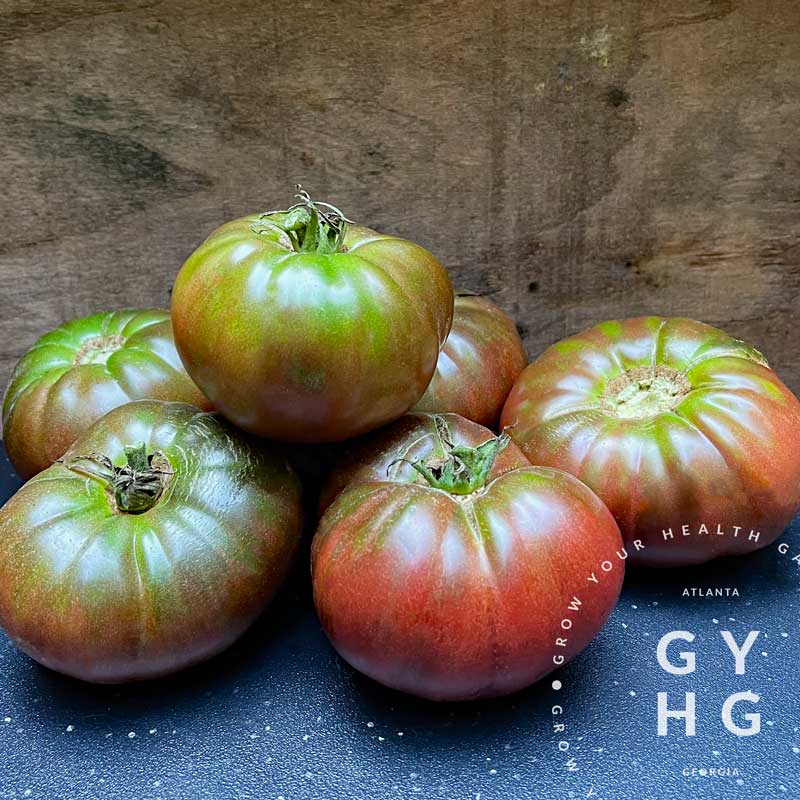
Photo copyright Grow Your Health Gardening 2024

Kellogg’s Breakfast Tomato

I have seen Kellogg’s Breakfast Tomato listed in seed catalog after seed catalog and paid no attention to it — mainly in part because of my own bias against the cereal manufacturer. But, come to find out, the name of this tomato has NOTHING to do with the cereal company you might be thinking of right now.

Instead, according to the research I find, it is named after a humble gardener and a Seed Saver Exchange (SSE) member, Darrell Kellogg from Redford, Michigan who by trade was a railroad supervisor, but also loved to grow his own food. Darrell purportedly received this variety from a friend in West Virginia (name unknown) and saved the seed year after year. Darrell eventually shared his seeds with Bill Minkey who introduced the seeds to the Seed Savers Exchange in 1993.  The “breakfast” part of the tomato’s name is said to refer to the beautiful orange color of the inside of the tomato which is reminiscent of the color of orange juice—hence Kellogg’s Breakfast Tomato.

I have grown and enjoyed many an orange tomato, like Olga’s Round Chicken Tomato, Apricot Brandywine Tomato, Big Rainbow Tomato, Pineapple Tomato (which is a bit more yellow than orange), and Orange Orangutane Tomato.

But to be honest, I only grew this variety because Craig recommended it to me. My bias kept me from trying a great variety and I almost missed out on it. That’s something to keep in mind as you explore what you want to grow this growing season. Be adventurous and curious. Be willing to try something new — especially if you can’t find it at the grocery store produce aisle or at a big box nursery. And share your favorites with others to keep the variety going and adapted to your growing region.

— Erin C, Grow Your Health Gardening owner and soil/hydroponic grower and coach
Kellogg’s Breakfast Tomato, sliced and shown above next to a red variety for comparison. It’s so juicy and tasty off of the vine!
Photo copyright Grow Your Health Gardening 2024

Kellogg’s Breakfast Tomato has become quite popular among fans that like to try different tomato varieties and has won honors such as:

  • Gary Ibsen’s annual “Best-Tasting Tomato” at the Carmel TomatoFest Event
  • Dr. Carolyn Male, the author of 101 Heirloom Tomatoes, and who has raised more than a thousand heirloom tomatoes, presents 100 consistently top-performing varieties for North American gardeners and in her book she lists this variety as “one of her favorites”
  • Voted one of the “best tomatoes” by Sunset Magazine

Not only is Kellogg’s Breakfast Tomato good tasting, but it also has health benefits such as tetra-cis-lycopene, a healthy anti-oxidant found especially in some orange tomatoes. According to research done by New Zealand non-profit, Heritage Food Crops, the Kellogg Breakfast variety scored a 3.42 level of tetra-cis-lycopene in their lab tests. We will do a deeper dive on orange tomatoes in another article, but for now, just know that these are nutritionally beneficial to the human body (having protective effects even) and a good variety to choose beyond taste and adding fantastic color to any plate!

— Heritage Food Crops

The yellow/orange nature of this tomato also is important as it contains Beta Carotene. Beta Carotene is converted in the body to vitamin A (retinol). Vitamin A is an important nutrient in maintaining healthy eyes and eyesight as well as a critical role in cell growth within the heart, lungs, kidneys and other organs.1

Kellogg’s Breakfast Tomato, when pruned and given ideal growing conditions,
may produce 1-1.5 lb tomatoes on the vine that measure 3-4″ across in diameter.
Photo copyright Grow Your Health Gardening 2024

This seed stock comes from the northern region of the United States (Michigan) and Craig adapted it grow earlier in the season and ripen in cooler conditions. We’ve taken his Kellogg’s Breakfast seed and gone the opposite direction and have grown it in a hydroponic system here in the Southeast. That means it has already adapted to a hot and humid environment for one growing season while also maintaining that DNA of surviving colder climates grown in soil through epigenetics.

We enjoyed this tomato so much that we can’t wait to offer it to you in Craig’s honor. We are thankful for the opportunity to grow such a wonderful variety and think that you’ll enjoy it as well.

Get Kellogg’s Breakfast Tomato seed for your own garden here >
(while supplies last)

Continue reading Grow Your Health Gardening’s 
Part 4 of New Tomato Variety Releases for 2024 >

  1. https://www.webmd.com/diet/health-benefits-beta-carotene ↩︎

New Tomato Variety Releases for 2024 — Part 2 — Chocolate Stripes Tomato

This is part 2 of what we’ve trialed in new tomato varieties as we continue to bring you our fav’s! If you missed part 1, you can read it here, otherwise, let’s keep cruise’n and share the rest of our new tomato variety releases for 2024 highlights!

All of the varieties mentioned here can be found on our store.growyourhealthgardening.com (and if you sign-up for our newsletter on our store, you’ll get a 15% off coupon to save money on any $15 seed order. Remember, we always include a free package of seeds with every order!)

Chocolate Stripes Tomato

I had first listened to expert market grower, Craig Schaaf, on a podcast where he was being interviewed by Alabama market grower and homesteading pro, Noah Sanders. (I love how Noah shares his passion and wants to help others through the Well Watered Garden Project.) In the podcast, Craig shared his experience growing warm season crops early in the season in his cold Northern climate and how epigenetics played a key role in why he saved his seeds season-after-season. What he shared really inspired me to dive deeper into epigenetics and to keep on my path of saving my own southern soil and hydroponic-adapted seeds every growing season.

Fast forward to the following year when I was bedridden with Covid… I entertained myself doing research for the upcoming growing season on my computer. It was then that I happened-upon Craig’s videos through social media and recalled his interview with Noah. I decided to reach out to him and I was thrilled when he responded! It was great to have him connect me with other like-minded growers on his social media channel. I enjoyed learning more about the Korean Farming Technique (KFT) method he uses to grow his own crops. (Craig has a heart to help others learn, so I encourage you to check out his videos on Gab @Schaafcraig which are chalk-full of experienced growing tips if you haven’t already.)

All that to say that Craig and I exchanged some seeds last year as he was interested in testing some micro-dwarf tomato varieties. I sent him my fav’s and he sent me his tomato fav’s. One of his choices he liked was Chocolate Stripes tomato. I couldn’t wait to test Chocolate Stripes Tomato in our Tower Garden aeroponic / hydroponic system and she did fantastic! I have to agree with him that it is a wonderful homegrown tomato variety. It reminds me a lot of Cherokee Purple and Paul Robeson. It looks beautiful when sliced due to its striped coloration. I enjoyed how it tasted so much that I wanted to offer the next generation from his shared seeds here (he gave his permission of course.)

But don’t just take our word that it tastes wonderful! Chocolate Stripes tomato was also voted as one of the “Top 3” “best tasting” tomatoes by TomatoFest attendees along with the event’s “tasting panel”. It was also voted on by thousands of TomatoFest customers purchasing seeds. This is a sure win as a great BLT sandwich tomato as well as to add to salsa’s and salads for full flavor.

Besides the fantastic taste and ease of growing, here’s the thing that makes this seed stock special… Craig said he would start this seed in early spring and be the first to market using his growing techniques in the northern region of Michigan where he lives. (I think he has a video on his technique on the channel I mentioned earlier in the article.) This seed stock has been adapted to grow in colder conditions according to Craig, yet it also grew beautifully for me in my hot and humid growing region of Atlanta, Georgia (zone 7b).

For those of you who have been following GYHG for awhile, you probably recall me sharing that seeds can hold 5+ years of survival traits in their seed DNA so that the next generation can thrive all the more. That means that our seed from this variety will be especially suited in either soil northern conditions all the way to the south where it gots hot and humid. Furthermore, if you grow hydroponically, your seed will be right at home and produce better for you than the first generation — that’s why we call this seed “hydroponic adapted”.

When I was doing some research online to find out more about its history, it appears that it has come from the Seed Saver Exchange (SSE). I did find some detailed information from a European blogger:

Jardin-Planète, European Blog

My plants were grown in an aeroponic / hydroponic Tower Garden and I had no problems with cracking or fungal diseases. If you see this in photos online on other pages or videos, it’s either the seed stock is not strong and/or growing methods. This tomato grew beautifully for me and I will grow it again.

Again, you can’t find this variety as a seedling in most big box garden centers or definitely in the produce aisle of your grocery store. This variety is best started from seed and harvested going from garden to table. It’ll keep a little while inside once harvested, but I really think it’s best enjoyed straight from the vine as you’ll get all those good nutrients it offers the closer to harvest you eat it.

Just looking at these pics from last year’s harvest makes my mouth water! I can’t hardly wait for tomato season to be here again!

Get Chocolate Stripes Tomato seed for your own garden here >
(while supplies last)

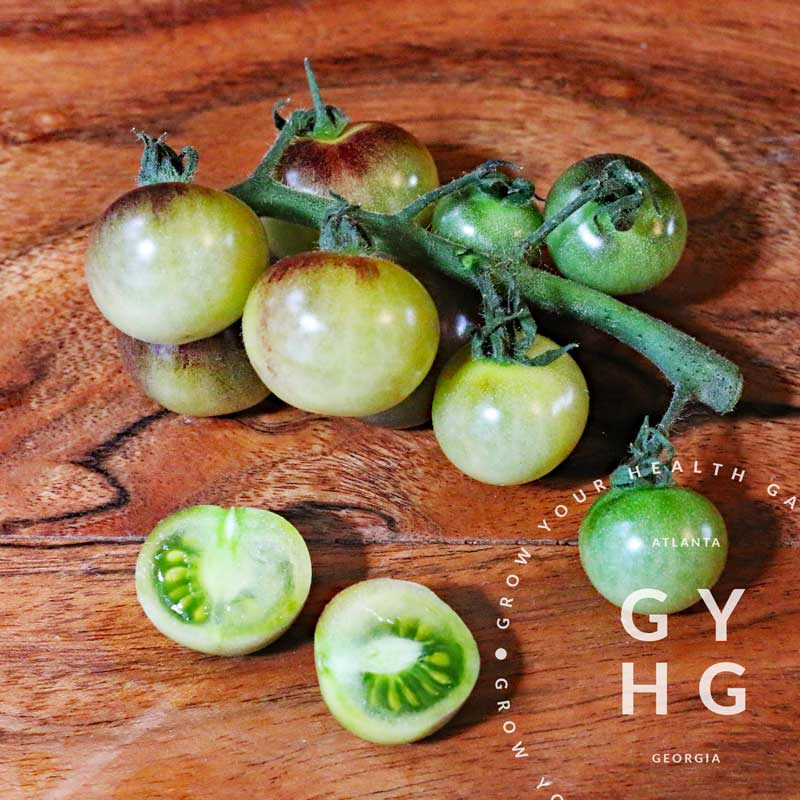
Chocolate Stripes Tomato variety, seed stock comes from Craig Schaaf.
Chocolate Stripes Tomato seed stock comes compliments of Craig Schaaf. Photo copyright 2024 Grow Your Health Gardening.

Continue reading Grow Your Health Gardening’s 
Part 3 of New Tomato Variety Releases for 2024 >

  1. https://en.jardin-planet.com/17827544-chocolate-stripes-tomato-things-to-know-about-the-striped-tomato ↩︎

New Tomato Variety Releases for 2024 — Part 1

We’ve trialed new tomato varieties and are bringing you our seven fav’s over the course of a week we will release more information about each one. So much of why I grow the food I do is because I cannot find these amazing tasting varieties at the grocery store. They are just best enjoyed from garden to table and so worth the time and little effort involved in growing them at home.

All of the varieties mentioned here can be found on our store.growyourhealthgardening.com (and if you sign-up for our newsletter on our store, you’ll get a 15% off coupon to save money on any $15 seed order. Remember, we always include a free package of seeds with every order!)

Without further adieu, here are our new tomato seed varieties we have home grown and offer to our customers:

Aunt Ruby's German Green Tomato
Aunt Ruby’s German Green Tomato. Photo copyright 2024 Grow Your Health Gardening

Aunt Ruby’s Green German Tomato

My husband loves to try out barbecue places across the southeast and whenever we go to any barbecue restaurant there are two things we always try if they are on the menu: banana pudding and fried green tomatoes. So, for the past 20+ years we have taste-tested our way across the southeast and I wanted to pair that knowledge with testing varieties at home to find the perfect green tomato variety to make our southern favorite, Fried Green Tomatoes! And I am officially declaring that Aunt Ruby’s German Green tomato did not disappoint! (It’s also a great addition to any salsa verde!)

Aunt Ruby’s German Green Tomato variety has been listed in the top 10 tomatoes by many chefs and home growers alike as well as won several taste tests.1 Slow Food USA ( slowfoodusa.org ) nominated this tomato to the Ark of Taste Program. This is also one of the 100 varieties described in Carolyn J. Male’s book “100 Heirloom Tomatoes for the American Garden“. In fact, Chuck Wyatt, Seedsmen Hall of Fame and long-time grower and fan of vintage tomato varieties had this to say about Aunt Ruby’s German Green;

According to my research, Aunt Ruby’s German Green Tomato is a family heirloom from Germany. It purportedly was first introduced in the Seed Savers Exchange (SSE) 1993 Yearbook by Bill Minkey of Darien, Wisconsin. According to Tatiana’s TOMATObase, Minkey received the seed from Nita Hofstrom of Clinton, Wisconsin. Hofstrom’s Aunt Ruby E. Arnold (1915-1997) lived in Greeneville, Tennessee, and had grown it for years and according to Aunt Ruby, the seed originally came to the United States with her German immigrant grandfather. Aunt Ruby had simply called it ‘German Green’. Minkey asked Aunt Ruby for permission to rename this variety and he called it ‘Aunt Ruby’s German Green‘ after Ruby Arnold.3 You should know that I couldn’t find anything on the SSE’s web site to confirm or deny this account, but we have reached out to them for comment as it contradicts another account given by Victory Seeds Co.

We have not tested the pH level on this particular tomato, but according to tomatoabout.com, green tomatoes tend to have a high acidity level with a pH range of 3.5 – 4.2 pH.4 If you’re not sensitive to the acidity in tomatoes, this one will help support healthy stomach acid which you want to break down food easily in your stomach.

One of the advantages of growing your own homegrown green tomatoes is how you can control when to harvest tomatoes. By allowing them to fully ripen on the vine, you can increase sweetness and reduce tart green flavors while also getting the most nutritional benefit from your homegrown tomatoes, because it is not sitting on a store shelf somewhere aging. You also get THE BEST green tomatoes to make Fried Green Tomatoes or salsa verde and this variety is worth growing if you like either of those sides.

The seed stock we sell comes from plants grown hydroponically on a Tower Garden. They are open-pollinated and our parent plant produced multiple large beefsteak green tomatoes (see photo below) weighing 10-16 oz or more each. With proper pruning and timed fertilizing, you could reach 1 pound or more.

Plants do vine, so you will need a strong support cage. It typically ripens late in the season taking around 85 days to be ready for harvest after transplanting outdoors when overnight temps are a consistent 64ºF. This variety you’ll want to start from seed as it is typically difficult to find starts of this tomato from local greenhouses or big box stores.

You can find and purchase Aunt Ruby’s German Green Tomato here
(and if you sign-up for our newsletter on our store, you’ll get a 15% off coupon to save money on any $15 seed order. Remember, we always include a free package of seeds with every order!)

And if you have a favorite Fried Green Tomato or Salsa Verde Recipe, feel free to share with the GYHG community in the comments below!

Here's a look at how abundant Aunt Ruby's German Green Tomato is on the vine. The darker yellowish green is how you know when the fruit is ready to pick and enjoy.
Here’s a look at how abundant Aunt Ruby’s German Green Tomato is on the vine.
The darker yellowish green is how you know when the fruit is ready to pick and enjoy.
Photo copyright 2024 Grow Your Health Gardening

Continue reading Grow Your Health Gardening’s
New Tomato Variety Releases for 2024 >


  1. https://fafard.com/americas-10-best-tasting-tomatoes/ ↩︎
  2. http://www.saveseeds.org/biography/wyatt/index.html ↩︎
  3. https://tatianastomatobase.com/wiki/Aunt_Ruby%27s_German_Green ↩︎
  4. https://tomatoabout.com/are-tomatoes-acidic-or-alkaline/ ↩︎

Condensed Pruning Guide

Use the following chart to help jog your memory on when it is best to prune either a fruit tree or a bush. We will come back to this list periodically to add to it as we have updates. And after you have pruned, be ready for when blooms emerge as spring is an ideal time to fertilize once you see new growth.

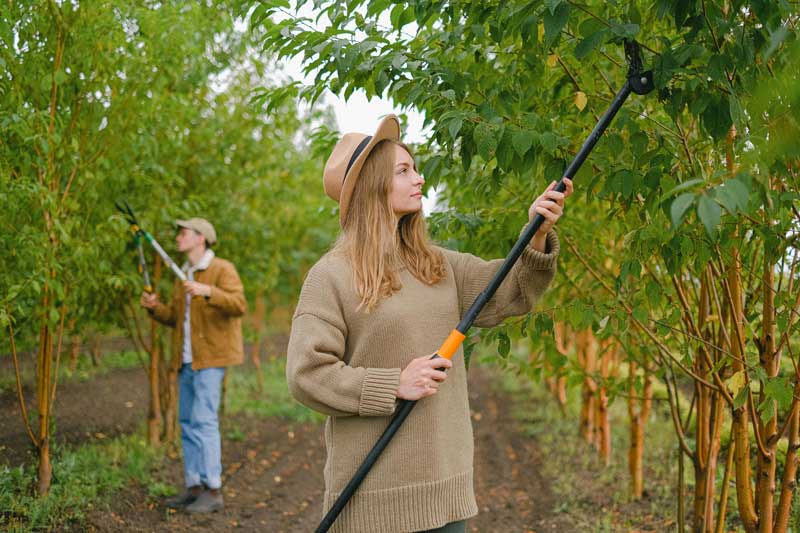
two people pruning trees

Fruit Trees:

AppleWinter or early spring Train tree for low head and prune moderately. Keep the center of the tree open with main branches well-spaced around the tree. Avoid sharp V-shaped crotches.
CherryWinter or early springPrune moderately, cut back slightly the most vigorous shoots.
CitrusSpring after risk of freeze has passed,Prune after risk of freeze has passed, but well in advance of summer heat. Water sprouts, a.k.a. “suckers”, emerge frequently, especially the first few years of the tree’s life. It’s best to remove suckers as they appear, otherwise, they take energy from the tree. The thorns also make harvest difficult. If the suckers do produce fruit, it is usually bitter and unpalatable. 
PeachEarly spring before budsPrune vigorously removing one-half of the previous year’s growth keeping the tree headed low and well thinned out.
PlumEarly springRemove dead and diseased branches, keep tree shaped up by cutting back rank growth. Prune moderately.
QuinceEarly springCut back young trees to form low, open head. Little pruning of older trees is required except to remove dead and weak growth and keep airflow.
Flowering Japanese MagnoliaEarly spring Before buds open, trim off side limbs that cross another limb. Keep center of tree open for airflow and birds will nest in it.

Fruit Bushes, Flowering Bushes, and Vining Plants

BlackberryAfter bearing and summerRemove at ground canes that bore last crop.In summer, but back new shoots 3.5′ high.
BoxwoodEarly spring Trim and shape before new growth occurs.
BlueberryWinter while plants are dormantBlueberries only grow on branches that are at least one year old, but the older the branch, the fewer the berries produced. You must prune the bushes so that they provide enough new growth for blueberry production the following year.
RaspberryAfter bearing and summerRemove at the ground in fall canes which bore last crop. In summer, head back new canes 20 ” to 22″ inches high.
CurrantEarly springRemove old unfruitful growth and encourage new shoots.
GardeniaRight after blooms have faded Pruning your gardenia every other year typically keeps the size manageable. Gardenia blooms on new growth, so pruning after bloom cycle is ideal.
GooseberryEarly springSame as currant—cut back shoots at 12″ inch and side shoots to two buds.
GrapeLate winter or early springRequires heavy pruning of old wood to encourage new bearing wood. Remove all old branches back to main vine. Cut back the previous year’s new growth to four buds.
HydrangeaEarly springHills of Snow variety cut back to ground. Other varieties: remove dead and weak growth, cut old flowering stems back
ElderberryAfter fruiting (Sept/Oct)Prune severely. Remove one-half of season’s growth on established plants.
Roses, Tea, Hybrid, PerpetualEarly springCut away all dead and weak growth and shorten all remaining branches or canes to four buds for weak growers and five buds for vigorous varieties.
Roses, ClimbingAfter floweringCut away all dead and weak growth and shorten all remaining branches or canes to four buds for weak growers and five buds for vigorous varieties.

How many of the 18 common traits of pantry gardeners do you happen to have?

“The best food in the world starts in the garden and ends on your plate, perhaps after a comfortingly stop in a well-stocked pantry or freezer. It never knows the back of a truck or the inside of a factory, and it holds no chemical or genetic secrets. Eating it feels comfortable and good.”

Barbara Pleasant, author of Homegrown Pantry
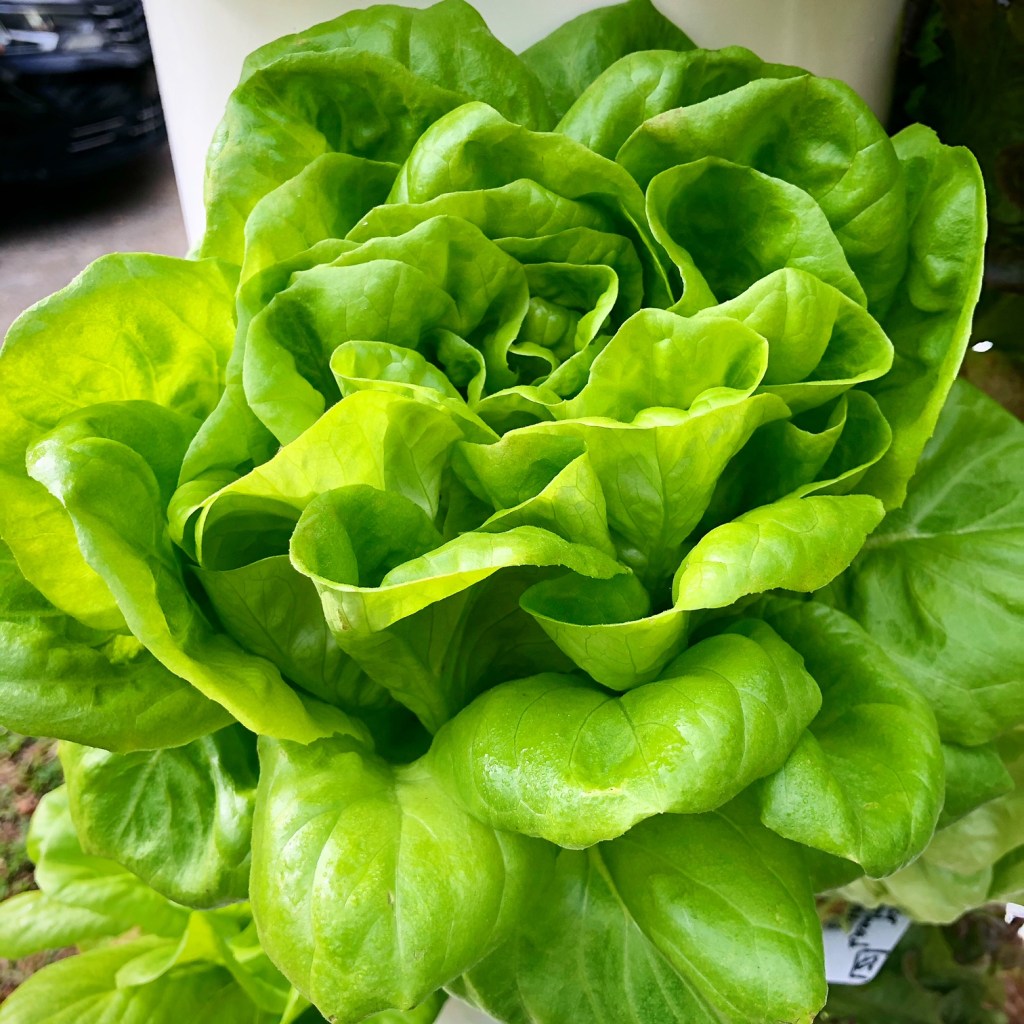
Green Bibb Lettuce growing in a hydroponic aeroponic Tower Garden

What is it about growing and preserving your own food that makes it worth the time and trouble? Here are 18 common traits we’ve observed of pantry gardeners… See how many you can identify with!

  1. You want to know exactly what’s in the food you’re eating and feeding those you love. You have been educated in the effects of chemicals on foods and understand you can’t always simply “wash off” the pesticides. Everything that comes into contact with the commercially grown plant and soil is taken up by the plant affecting the nutrition as soils wane and become poorer with every season of use.
  2. You understand that “organic” still means pesticides may have been applied to the plant you’re about to eat and “some” pesticides is still too much. You want to feel confident that the food you eat and feed to your family is the best clean nutritious food you can find.
  3. You understand that plants grown for the grocery store are grown for their transportability and shelf life, not for nutritional value or flavor as the primary goal. Growing your own produce from seed gives you the advantage of picking what you’re going to eat at its peak ripeness meaning it will have all the nutritional benefits you are desiring. Further, you can quickly process the plant at its peak by harvesting, cleaning, and processing it either to eat right away or put into long term storage. In either case, you’ll be locking in optimal nutrition for your body.
  4. You understand that growing your own food is investing in your own personal health and the health of those you care for on a daily basis. The activity of gardening is good for your mind and body according to research and personal experience.
  5. You don’t have a consumer mindset where you only buy and live in the moment… instead, you think about your future needs and make an effort to have something on hand in the event you cannot find what you enjoy eating. This mindset of thinking long-range not only gives you peace of mind that you have some food security when tough times come. Those of us that had grandparents that lived through the depression era, now understand why they took the time to plant a garden and can food. Food security can be empowering and peace-giving.
  6. It feels good knowing that you won’t be the cause for more packaging and plastic to be thrown away. Eliminating the need to purchase items from the store means you are creating a smaller carbon footprint on the need to rely on packaged goods.
  7. You have practiced persistence and are able to stick with a task over a period of time in order to achieve the end goal (often referred to as delayed gratification.) You know with a little bit of effort, consistently over time, you can achieve anything — including a stocked pantry full of nutritious food you have grown.
  8. You understand that investing in the right tools to grow food upfront will have a savings effect over time. Your homegrown food will outpace inflation in savings — it will cost less than store bought food (especially if you’re using a hydroponic Tower Garden.)
  9. You connect with family history through gardening and preserving teaching the next generation through example these simply lessons of healthy living. Maybe it’s making your grandmother’s apply pie or your mama’s fresh basil pesto — these foods have a strong connection to your past and good memories. In sharing that with your children, you pass along these gifts.
  10. You know that home grown herbs that are dried immediately after harvesting out-surpass anything you can buy in the store when it comes to flavor and nutrients. Store bought seasonings sit on the shelf and lose flavonoids when they are crushed. By the time they are used in your cooking, the flavor has diminished. Drying your own herbs and keeping them in leaf form as much as possible keeps the flavonoids in tack and maintains a superior seasoning when you go to crush them and use them in your cooking.
  11. You find that maintaining your own food supply helps to connect you more deeply to the earth and the seasons of life. Watching a plant grow from seed to harvest or even to produce seed to collect gives you a deeper connection to living life to the fullest as you appreciate the cycle of life.
  12. You feel empowered to try something new and aren’t afraid to risk failing. You know that nothing is gained by not trying, so you’re willing to put yourself out there and explore new things in order to gain understanding.
  13. You have a generous nature in that you freely share what you have grown and preserved either through sharing of a meal together or in helping out a neighbor or loved one when they are grieving or in need.
  14. In selecting plants intentionally for their usefulness, you are able to gain the benefit of harvesting herbs in particular for medicinal uses to bolster your immune system. Homegrown herbs with medicinal benefits give one access to health care no matter your age or demographic.
  15. In preparing items for your pantry, the time it takes to go to the store to purchase those items (as well as the cost associated with that grocery run) saves you time in making meals at home. You just walk over to the pantry shelf or go outside to the garden and “shop” from your own aisle.
  16. You know the importance of being mindful of salt and sugar in your food as it affects your arteries and heart. Store-bought options and eating out expose you to higher than normal recommended levels of sodium and sugar. Plus, aluminum cans leech aluminum into contents (food) over time. Storing your own food puts you in control of how much salt or sugar is put into whatever you are preserving.
  17. You like working smarter, not harder. If you have an indoor Tower Garden with grow lights, you have total freedom to grow food 3x bigger and 3x faster using 98% LESS water than traditional gardens 365 days a year indoors. You bask 24/7 in your ability to have food freedom no matter what the weather or pest pressure happens to be outside.
  18. You are resourceful and don’t waste anything—you are the top recycler in your neighborhood. You know that some of the things we consume can be used to feed your soil and garden. The whole chicken you just ate can be used to make bone broth. The bones can be dried and then put into ACV (Apple Cider Vinegar) for four weeks to extract calcium for a shelf stable fertilizer that can then be added to water and used as a foliar spray or soil drench. Remove the bones from your ACV and re-dry the bones and they can be crushed down into a powder to add into your soil. No need to go out and buy bone meal or calcium spray. You literally can make your own fertilizers.
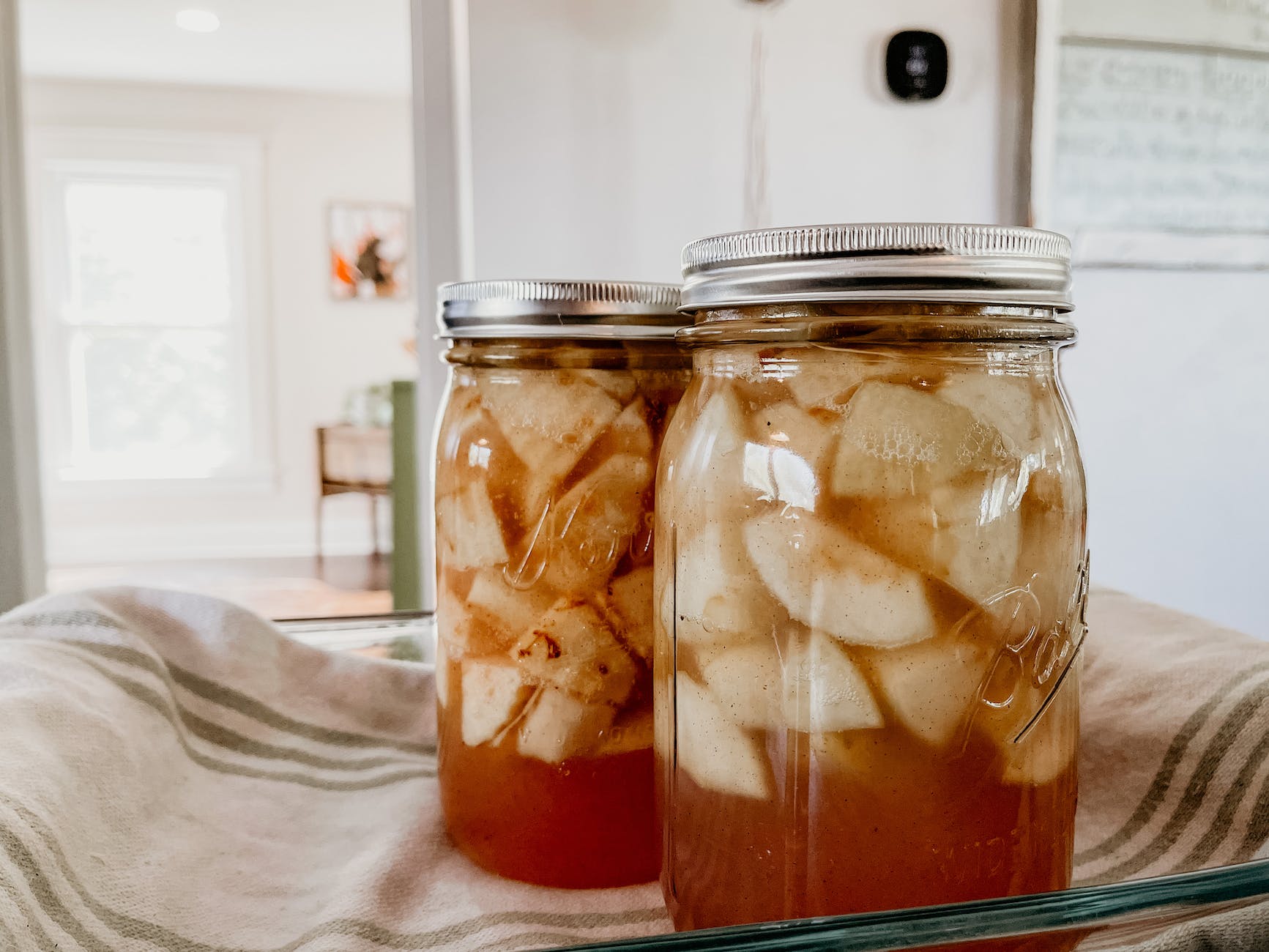
wood apple glass farm
Photo by Hannah Grapp on Pexels.com

Want to learn more about preserving your own food?

Check out a resource we have found to be helpful:

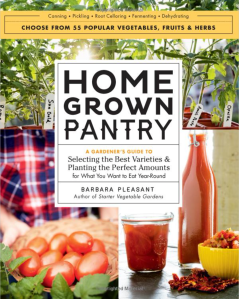
Homegrown Pantry: A gardener’s guide to selecting the best varieties and planting the perfect amounts for what you want to eat year round

What should you be doing for fruit tree care in February (Growing Zone 8+ and Patio Citrus Trees)

Our family likes to travel and I remember one time while we were vacationing at an RV park in Florida, our RV neighbor came over and shared a sack of satsumas he had purchased from a local grower. Y’all! These were THE BEST oranges we had ever tasted… sweet, easy to peel, and perfect snack size. I was hooked.

Upon returning home, I quickly learned that the shelf life of a Satsuma is not conducive to the grocery store system where food must be able to handle transportation time and sit on the shelf until sold. I did find it at an asian market much to my delight. But, alas, I wanted a Satsuma tree I could call my own…. so I bought four Satsumas. (I justified my purchase telling myself that even though these trees were self-pollinated, if I got a few others, it would produce more fruit.)

satsuma orange citrus

Satsumas can grow in large pots if they are on a dwarf rootstock and pruned to limit their height and overall size, but they are best in the ground as the limbs will get heavy laden with fruit anywhere from October through December (typically, but will vary by cultivar.) Fresh Satsumas for Thanksgiving and Christmas? Count me in!

As I was caring for my young citrus trees and other fruit trees, I thought it might be a good time to talk about how to care for these wonderful trees that provide us with the healing nutrient vitamin C (among other beneficial antioxidants!)

Not a pic of me, but these are an example of the kind of pruners you want to have sharp and clean (with rubbing alcohol.)

When should I prune my fruit trees?

The time to prune and treat your fruit trees is late January and into February, so now is the perfect time to be looking at your citrus and other fruit trees if you live in growing zone 8+ or if you grow indoor trees of this nature. I also have peach trees, olive trees as well as roses in pots that I plan to use the following treatment on in preparation for spring and summer growing season.

And when we prune, we need to protect. Make sure you always use sharp pruners appropriate for the size of the limb your are trimming. Always clean your pruners with 80% or higher alcohol in between each tree or bush you prune. Follow up by sealing cuts with an organic sealer to protect the plant from bacteria and pests. As we look at pruning and protecting our investment, I personally like when I find a product that has multiple benefits with one application. Here’s a quick rundown of one that makes logical sense to me to be a good solution and I am currently testing it out on my trees and ornamental bushes.

One Step Protects Tree Three Ways

As I study and learn from other growers on this beautiful citrus option, I’ve learned from Charles Malki, Director of Horticulture and Education at IV Organics that even though citrus are heat-loving, the intensity of the sun can actually burn the trunk’s outer bark layer inviting disease and pests to attack the tree in the sun-damaged region. I encourage you when you have an hour or so to check out his video series on fruit trees as it is very informative.

Malki has developed a product called IV Organics, a 3-in-1 Plant Guard, that is organic and can reapplied annually while doing spot checks on your tree(s) called IV Organics. This product is purported to tackle three things: sunburn on trunk (and leaves), protects from pests and open cuts (caused by pruning or breakage) that promote bacteria to enter the tree. and protects from rodents who may want to chew on the bark towards the base of the tree.

He also notes that using latex paint or tar-based products to protect tree trunks may last longer without reapplication, but you’re exposing your tree to toxic chemicals which can affect the health of the tree.

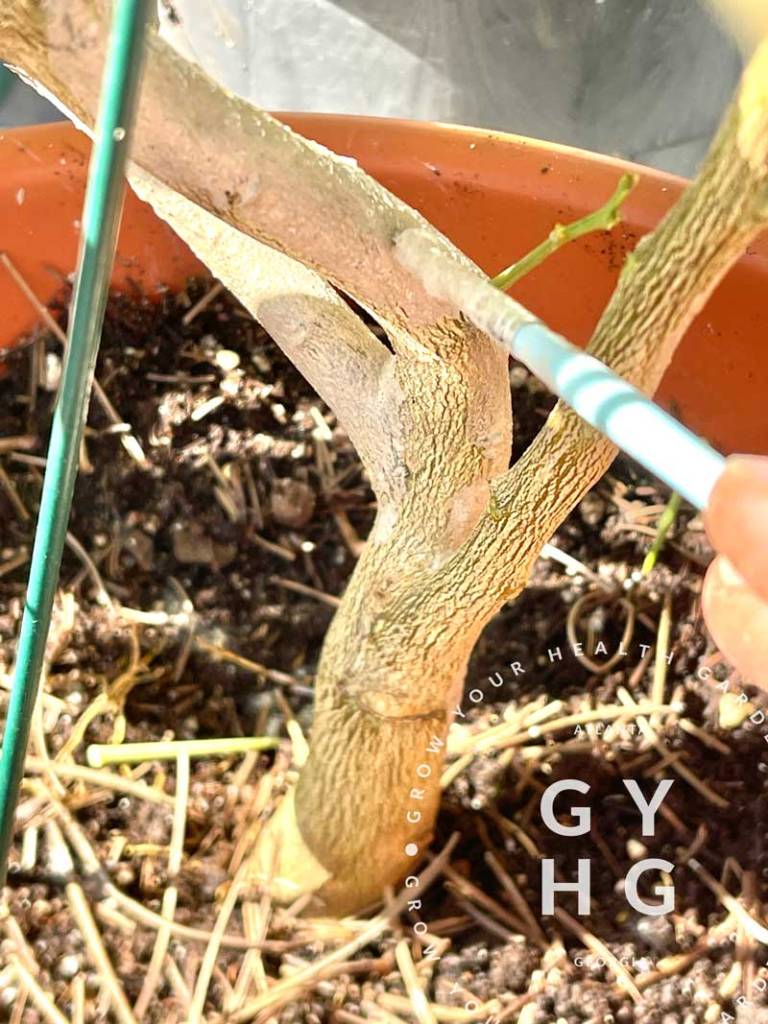
Painting on 3-in-1 IV Organics onto trunk and lower limbs of citrus satsuma tree during month of February to provide protection from pests, sun, and rodent pressure.

What is IV Organics 3-in-1?

This IV Organics 3-in-1 Plant Guard reminds me of a milk paint, but it contains beneficial compounds that not only coat a “sunscreen” to the tree trunk’s exterior, but it also contains essential oils that are known to naturally repel most insects and rodents. The mix of essential oils included are: castor, cinnamon, clove, garlic, peppermint, rosemary and spearmint.

Castor oil, spearmint, peppermint and rosemary are known to repel rodents. Garlic, Clove, Peppermint, Rosemary are known to repel various insects including but not limited to: aphids, ants, beetles, borers, caterpillars, slugs, termites, and whiteflies. Some of these oils also have anti-fungal properties.

IV Organics 3 in 1 label

You can also choose from five color options to fit your aesthetic preferences: Greige, Grey, Brown, White, Green. I personally chose “Greige” as I wanted it to look natural, but keep in mind that certain colors absorb light (and heat) and other colors reflect light (limit heat). (White would have shown up better for example pictures and easier to see to apply while wearing my sunglasses.) I am really happy at the results of my color choice as from a distance, you can’t even tell anything has been applied to the tree in my opinion.

How much will you need?

If you have an orchard of several mature trees, you’ll want the gallon size, otherwise, the pint-size is ideal from one or two trees or several tree starts. Keep in mind, that the product, once mixed, will last for 2 weeks in the refridgerator.

The product comes in a paint can with a package of clay-type powder and a vial of essential oils. You mix the two and add water until it becomes combined and then paint onto the trunk of your tree. You can also add some of the product to a spray bottle and dilute it down further to spray as a foliar application to leaves during the hotter months. They also have a ready-to-go option if that suits your preferences better. (Note: be sure to apply this foliar spray at dusk after bees have gone and the heat of the day has ended.)

I recommend getting two when you purchase… one to use now as you prune and spot-check your tree(s) and another later for reapplication if needed and to apply a foliar leaf application as you enter the more intense sun in the Southeast as we approach the summer months. Keep in mind that rain will eventually affect the leaves, so reapplication may be necessary if you begin to see sun damage on your leaves. Remember, you can also use IV Organics on roses, fruit & nut trees, as well as ornamental trees & shrubs. You can get a combo pack which includes the product to paint your tree trunk and limbs, a foliar spray, and nutrition your tree needs throughout the growing season which makes it easy to treat your trees and bushes all season long.

IV Organics Product Line for fruit trees and ornamental bushes

Malki also reminds us to not neglect feeding our citrus, avocado, and olive trees during the winter with a light foliar application once a month. In spring, you will want to amp up the soil fertilization with the heaviest feeding of nutrition during the peak growing season of summer. Kelp and or a worm casting biological tea makes for a great foliar nutritional feeding. Malki also has a a super blend of your main nutritional needs of your fruit trees (ie: Nitrogen, Phosphorous, and Potassium), but also essential micronutrients.

Let me know in the comments below if you try this method and how it works for you. Or, if you have any questions or want an update to see how it’s going with this product before you try it, just leave a comment below and I’ll do my best to get back to you. In the meantime, happy garden planning and don’t forget to buy some fruit trees if you have space to put one!

Grow without chemicals and eat what you grow!

—Erin

Be Sure to Check this Chart Before Starting from Seed

Seed starting?

We have a FANTASTIC resource you will want to bookmark. It tells you what conditions the particular variety needs to help it germinate. Some seeds need it dark. Some seeds need bright light to germinate. Some need to be soaked beforehand. No matter the situation, this is where you want to start.

This is an active reference we update from time-to-time as we learn through researching and growing new varieties. Be sure to bookmark the page and check back for updates! https://growyourhealthgardening.wordpress.com/seeds-that-require-special-treatment/

And remember, when you start from seed, even though you are taking a bit of a gamble on some seeds, the thing that is so awesome is you can grow varieties not commonly found at big-box retail garden centers. A whole new world awaits you!

Oh — and if you’re new to seed starting, be sure to check the “Seed Starting” tab on our Web site for other helpful tips to help you in your quest to start seeds at home.

Hope this helps!

5 Hydrangea Care Tips to Maximize Your Blooms this coming Growing Season

Erin Castillo | GYHG and Certified Hydroponic Grower, Gardening Writer
Wednesday, February 16, 2022

For those wondering when to prune hydrangeas in Georgia or in Zone 7, now is a fantastic time to think about these beautiful ornamentals and learn any basic care considerations to act on now for big blooms later in your growing season. Here we will deep dive into how to grow hydrangeas in the South and five care tips to consider.

Location depends on cultivar — Be sure to check your variety’s sun or shade needs before planting. If you messed up, you may want to move it while dormant in cold months

The Hydrangea is a perennial typically in Zones 5-9 (with a few rare varieties that are exceptions and can live in Zones 3-4 with winter protection), but this can greatly differ depending on your cultivar, so be sure to check the growing tag that comes with your plant from your local nursery or Monrovia has put together a good resource page you might want to check out as well.

The location you place your hydrangea also matters in the Southeast. You’ll want to protect your hydrangea plant from the extreme summer intensity of the sun (we don’t call it “Hotlanta” for no reason!) Note: be sure to check your cultivar as some hydrangeas do prefer full sun, part sun, or shade.

Conversely, if your Hydrangea is too exposed to extreme cold winter winds and extreme cold weather temperatures, your plant may not form adequate bud formation. Planting your hydrangea near a structure that retains heat while also offering a wind break (like a brick building or foundation) will help your plant produce the stunning of blooms for display you seek. If your temps reach down towards zero degrees or lower, you will want to carefully wrap your Hydrangea plant with a layer of thick burlap to protect forming buds from cold injury. Take wire fencing the height slightly taller than your hydrangea bush and make a circle around your plant then wrap burlap or a cover designed for protecting plants from frost around your plant. This will protect those forming buds and dramatically affect your plants ability to bloom for the following growing season.

What to Add to Your Soil and When You Should Make Adjustments

Before adjusting anything with your soil, be sure to do a soil test at the same time every year (preferably in the fall (October-November). A soil test can be submitted to your local County Extension Office and costs between $7-$12 depending on your particular extension. Be sure to note when submitting your soil test, that you want to get recommendations for hydrangeas. The County Extension will send your soil sample off for a test and you will get detailed instructions on what exactly needs to be added to your soil to feed your hydrangea plants and to keep them healthy.

While waiting for your soil test results to come back, you can do a quick test with 2 tablespoons (30 mil) soil + 1 tablespoon (15 ml) distilled water) and add vinegar. If your soil fizzes, your soil is alkaline! If there is no fizz, get a new sample. Test 2 tablespoons (30 mil) of soil + 1 tablespoon (15 mil) of distilled water + add baking soda. If your sample fizzes your soil is acidic. If it doesn’t fizz, soil is in the neutral 7.0 range most likely.

In the late fall or early winter months (when no snow is present), a top-dressing of compost will feed the soil micro-biology surrounding your plant and make nutrients available to your Hydrangea plant feeding it through the winter. You can also mix in some used coffee grounds and crushed egg shells into the soil and even a fine dusting of wood ash left over from your Green Egg (if you have one) or fire pit (just make sure any coals/ash scooped are cold). You can also add Bone Meal at this time which is slow to break down and only utilized by the plant with soil pH is below 7.0. These additions add acidity and alkalinity to the soil. But remember, these adjustments take three months or more to take effect, so act now if you haven’t prepped your soil beneath your beautiful hydrangea.

How to Get New Hydrangea Plant Starts with Little Effort

And while we are discussing fall / winter soil amendment strategies… if you take a low-lying branch from your Hydrangea and allow it to touch the soil and place a stick with a hook on the end (where you have broken off a branch from the main stem) or a metal u-pin if you have one on hand (even a light rock may do the trick) and essentially have the stem touch the soil and the “mother” plant will put down roots and create a baby plant come spring with adequate moisture. Check it again in 3-4 months and then prune that branch from the mother plant early spring (typically here in Georgia, you can see roots forming on propagated stems by late February.)

When to Prune your Hydrangea in Georgia

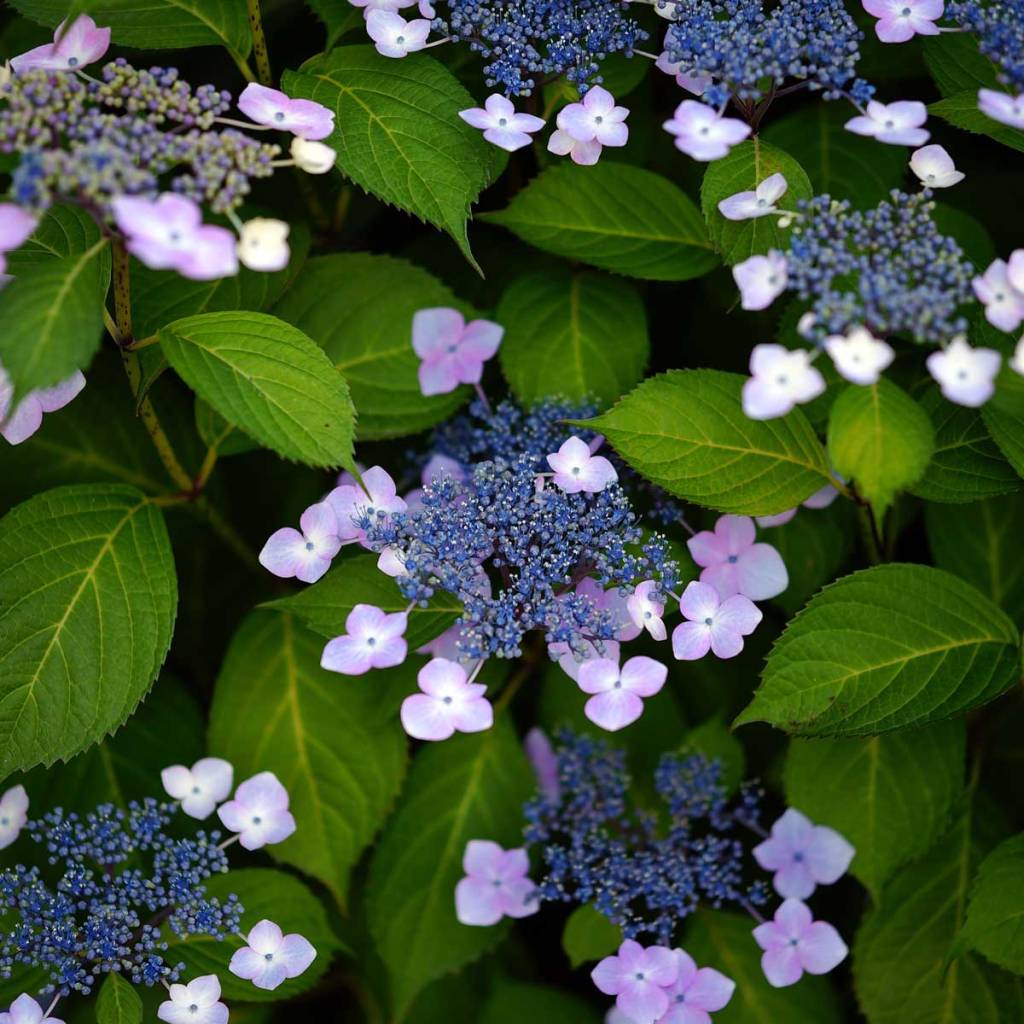
Hydrangeas (Bigleaf H. macrophylla, French, and Oakleaf H. quercifolia) flower buds from on old wood. Big Leaf cultivars include Mophead, Lacecap, Mountain hydrangeas. You want to prune these after flowering and shape your bush at that time.

If your Hydrangea is (Panicle H. paniculata, Smooth Hydrangea arborescens also called wild hydrangeas), flower buds will form on new wood, so prune when the hydrangea plant is dormant and remove spent blossoms after flowering (aka: deadhead). This will include your Snow Ball variety.

As a general rule, plants that flower before May ideally should be pruned following their bloom. Plant that flower after May can be pruned just prior to spring growth during dormancy (Jan/Feb). There are of course plants that are exceptions — those being late-flowering azaleas that bloom during May, June, or even July as well as the hydrangeas that bloom on old wood (mentioned above.)

You will want to prune away any disease, dead, stray or broken branches at anytime.

How to Change Your Hydrangea Bloom Color

Not all hydrangea species change color. White cultivars are an example of this, however, varieties such as Hydrangea macrophylla and H. serrata can range in color from pink to blue, fuchsia, plum and even periwinkle. High levels of aluminum in the sol plus having acidic soil pH will generate the coveted bright blue to purple flower shades.

For blue hues, you will want to use soil amendments like elemental sulfur and gypsum. You can also use an organic fertilizer containing cottonseed meal when feeding the plants. Adding aluminum sulfate to the soil isn’t necessary and could be harmful. Aluminum is plentiful and not an essential plant nutrient and too much of it can actually be toxic.

Recipe for blue flowering hydrangeas:
1/2 cup (120 ml) sulfur per 10 square feet (1 square meter) to alter the soil’s pH.

Recipe for pink flowering hydrangeas:
1 cup (235 ml) garden lime per 10 square feed (1 square meter) to alter the soil’s pH.

Remember, changing the pH of your soil is a gradual process that can take up to a year for the color change to take effect. You may also want to use pine straw as a mulch on top of the soil which will naturally break down over time, but will feed the micro-organism in your soil. Pine Straw, though minimal, may make your soil slightly more acidic over time and multiple applications. These hydrangea plants require plenty of moisture to get to the flowering stage, so put some sort of mulch (Pine Straw, wood chips, leaf mold, straw, or a living mulch that is a low spreading ground cover) down to help suppress weeds and maintain moisture. (Remember, you don’t want to ever have bare soil!)

How to Preserve Hydrangea Blooms to use in Home Decor

When your Hydrangea begins to bloom, pick a full new bloom in the morning and dry it slowly and hang upside down with a clothespin to a hanger in a room with good circulation (preferably indoors where humidity levels are lower due to Air Conditioning.) Allow the bloom to completely dry and then use in whatever decorating application. They are especially pretty as a wreath. Just spray with a clear craft finishing spray to preserve color. The also look pretty as a dried floral bouquet arrangement.

If you haven’t explored growing a hydrangea bush, I encourage you to give it a try! It’s a wonderful showy flowering bush that will bring enjoyment whether fresh or dried! Do you have a tip that has worked well in caring for your hydrangeas? Feel free to share in the comments below!

Happy Growing!

Erin

PS: If you are married, the Hydrangea is traditionally the fourth anniversary flower to give your love. I personally think any day and any year is a wonderful time to give a flower to someone you love. 😉

Erin Castillo is a wife and mother to five in Atlanta, Georgia. She grows food using organic methods for her family and also produces seed to sell, some of which is grown hydroponically and adapted to those growing conditions making it ideal for Tower Garden, FarmStand and Aerogarden home growers. If you want to check it out, you can find it at GYHG Seed Co. She is also certified in hydroponics and volunteers as a guest writer for her local gardening community.

Sources:

  • Dorn Ph. D., Sheri and Sawyer, Sarah. Georgia Master Gardner Handbook, 8th Edition. University of Georgia Extension. Copyright 2021 University of Georgia College of Agricultural and Environmental Sciences ISBN 978-0-528-94356-8
  • Monrovia “10 Things Hydrangea Lovers Should Know
  • Hudson, Jr., Charles. Hudson’s Southern Gardening Published by Topper and Love, Atlanta Georgia. Copyright 1953, 1958
  • My mother (God rest her soul) who shared with me what worked for her gorgeous blooms and how she would dry them and save them for me to enjoy in my own home decor.
  • For further reading: Success With Success With Hydrangeas: A Gardener’s Guides: A Gardener’s Guide Lovers

Start your journey to health and gardening with this one simple step

KEY TAKEAWAYS AT A GLANCE:

• The key to giving your body better nutrition is to grow your own food.
— You will be able to eat what you grow shortly after harvest, thereby getting the highest level of nutrient that the plant can provide because the plant is allowed to grow to full maturity where nutrients will be at a peak AND you will be able to consume it shortly after harvest.
— You have control over how your food is grown meaning soil health, hydroponics, and anything applied to the plant to control pest pressure or enhance nutrition profile in plant like beneficial biological foliar tea applications.
— You will benefit not only physically, but mentally, emotionally and spiritually from being more connected to your food and outdoors.

• If you’ve never grown your own food, taking that first step can feel overwhelming. Begin by just choosing to focus on how to grow a food that you eat already and taking a moment to think about why you are motivated to make the effort.

• A simple and very doable approach to getting started growing your own food is to simply ask one question, “What one new thing can I learn to grow this year?”


The key to moving to better nutrition for your body is to grow your own food. That’s how my journey began. What did I do? I simply became curious and had an attitude to learn — and I picked just one plant to learn about. I deep dove into learning everything I could about that one plant and what it needed to grow. Single focused. One simple step. A willingness to change and grow through gardening.

Step 1: Pick 1 (one) plant to learn more about.
Background Image credit: Kim Kight Moda Fabric Nov 2021 Release

Here’s how you can make a BIG difference this year in your health by just learning to grow one new plant:

Step 1: Consider healthy grown food choices you are already enjoying.

You’re more likely to eat what you grow and if it’s already something you’re familiar. Research has even shown this to be true with children — children are more likely to eat what they have grown. Why would we be any different? 😉

For example, I like to eat Kale. I noticed that Kale was on EWG’s (Environmental Working Group’s) Dirty Dozen List. I didn’t want to give up eating kale simply because it was often sprayed by those growing it and wanted to reduce the amount of chemicals I was putting into my body. I also found that my kids like the cheesy kale chips at the store, but my pocket book felt the pain every time I had to purchase that in bulk. The best solution? Learn to grow it.

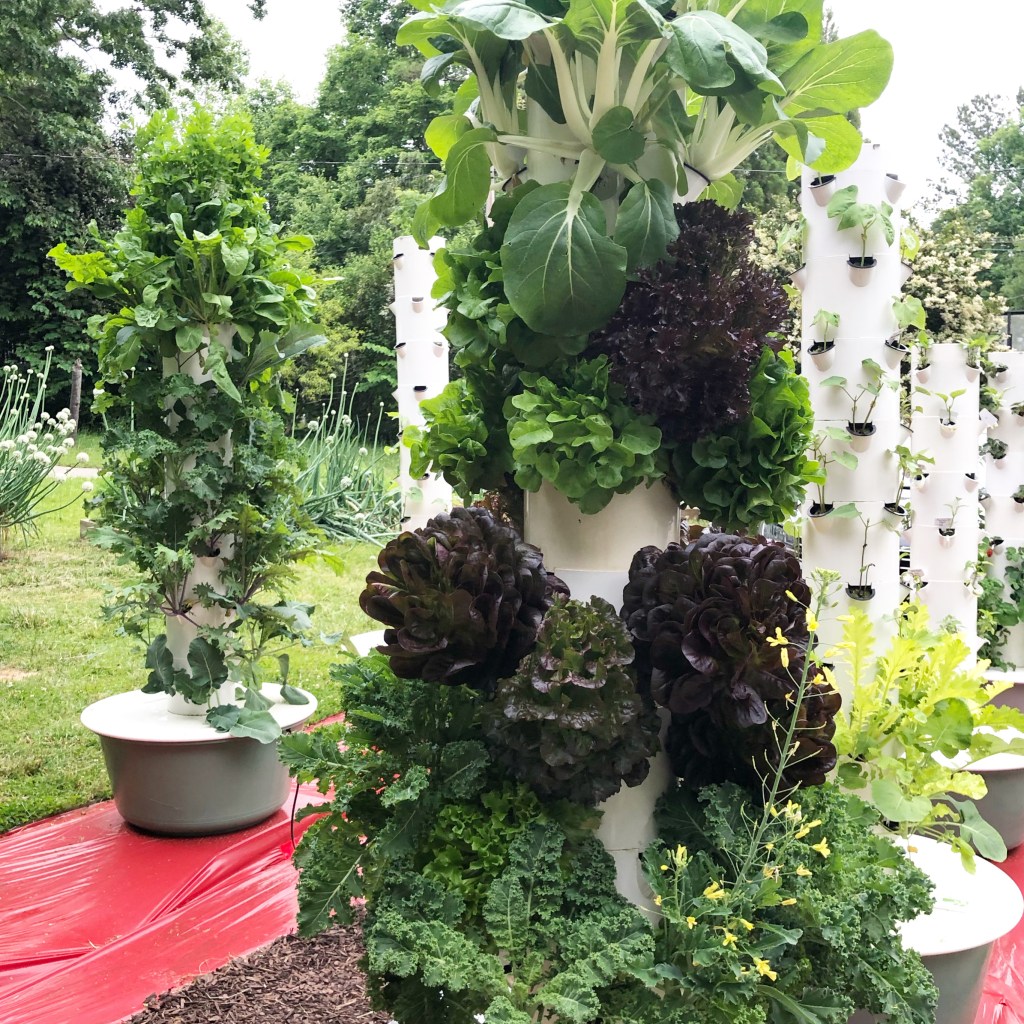
Bok Choy and greens growing on hydroponic and aeroponic Tower Garden.
Tower Garden growing hyroponic lettuce, kale and bok choy. To learn more visit: erincastillo.towergarden.com
Spinach growing in a hydroponic Tower Garden vertical garden growing system.
Tip: If you’re new to growing Spinach and gardening altogether, I recommend that you don’t pick spinach as your first plant to try growing from seed. Instead, purchase a start and grow it from that stage or read our article on how to start spinach from seed.
Step 2: Learn everything you can about that plant.
Background Image credit: Kim Kight Moda Fabric Nov 2021 Release

Step 2: Learn everything you can about what the plant needs to grow.

Single-tasking has been proven to be THE BEST way to get something done. Keep it simple. Don’t over-complicate things. Just choose one thing and learn it well. Focusing on learning one new plant will set you up for success and lead to better nutrition for your body!

We are so blessed to live in an age where we have so much information at our fingertips with a simple search. Take advantage of this and devote at least 15 focused non-distracted minutes a day to look-up details about the plant you’re wanting to learn how to grow. Record what you learn on a sheet a paper and put it in a 3-Ring Binder. This becomes a handy-reference in seasons to come as you add other plants to your ever growing notebook.

You’ll find that after a couple of growing seasons, you’re able to add more than one plant to your ever-growing “new plants I’m curious about” list. And you’ll be able tackle more because once you know a plant, you can grow a different similar variety with ease because you’ve already studied that plant group.


“Take advantage of this and devote at least 15 focused non-distracted minutes a day to look-up details about the plant you’re wanting to learn how to grow. Record what you learn on a sheet a paper and put it in a 3-Ring Binder”
— Erin Castillo, Owner of Grow Your Health Gardening


Tomato Lover’s Heirloom Tomato Seed Collection by Grow Your Health Gardening Seed Co. is our top pics for anyone who wants to grow tomatoes not found in the big box chain or grocery store. A true culinary delight.

Let curiosity guide your research. Ask questions like:

  • What temperature does this plant like to grow in: Cool or Warm? Knowing the temperature preference of a specific plant cultivar will tell you what time of year to start growing that plant. For example, kale likes to grow when it is cooler. Okay. How cool? Is there a certain range of temperature it prefers? Okay. We find that it likes 70ºF-80ºF, but some varieties like Lucinato (Dinosaur Kale), Dwarf Siberian, Vates Blue Scotch, Premier, White Russian, and Red Russian can tolerate SOIL TEMPS as low as 20ºF. I can look up those temperature ranges for the area I live in and look to see about when those temperatures are occurring. Then, when I look at the days to maturity, I can use a calendar calculator and count backwards from that temperature range and I can get my seed start date. Not sure how to quickly find a date? Just do a keyword online search for “count days calculator” or pull out an actual monthly calendar and physically count the days backwards with your finger.
  • What sort of lighting requirements does the plant need? Most vegetables need 8-10 hours of full sun a day. Consider watching where you have a sunny patch for the longest hours in a day. This is going to be your growing area. Don’t have a sunny patch and just a lot of shade? No problem! Invest in an indoor growing system with grow lights where you can control the temperature and grow year round.
  • What is the ideal pH range your plant needs to take up nutrients?
    Your pH level plays a very important role in which nutrients a plant can access and use to fuel it. I’ve provided a chart (below) to illustrate which nutrients a plant can take up when it’s within the ideal pH range. Most plants need somewhere between 5.5 to 6.8. Leafy greens prefer the 6.0 pH to 6.5 pH range whereas tomatoes prefer between 6.0-6.8 pH. Notice how kale, which likes it between 6.0-7.0 pH, when soil or water in a hydroponic or aquaponic system is kept between this range will be able to access nutrients like Nitrogen, Phosphorus, Potassium, Sulfur, Calcium, Magnesium, Iron, Manganese, Boron, Copper and Zinc and Molybdenum. If you’re growing hydroponically, you can quickly and easily test pH levels with a pH meter like this. If you’re growing in soil, you can get a soil test from your local county extension office for around $10. You can also get a device like this that will get you fairly close. Remember, soil takes several months to adjust the pH level. Hydroponics and Aeroponics takes only a few hours with either pH up or pH down.
pH Absorption Chart
pH Absorption Chart shows which nutrients are available to a plant based on pH range.
Grow heirloom beans and enjoy different flavor and texture profiles not found in your grocery store.
Heirloom Beans are a fun way of exploring a healthy and high protein food group. There are so many different types of beans (bush beans, pole beans, runner beans, etc.) that the options are endless in enjoying new types of beans you can’t find in the grocery store. Check out our line of heirloom beans at https://store.growyourhealthgardening.com
  • What sort of nutrients does my plant require?
    If you’re working in soil, it will be helpful to understand your soil food web and how micro-organisms and beneficial bacteria within the soil work together to help replenish nutrients in the soil for the plant to access. If you’re working in hydroponics or aquaponics, you’ll want to purchase a TDS meter and a well-rounded nutrient like this Mineral Blend. When you go to add your nutrients, simply keep your PPM levels within the ideal range the plant prefers. You can find a fantastic hydroponic cheat sheet here that we’ve created for your convenience.
  • How long does it take for my plant to grow?
    Knowing this tidbit of information helps you figure out when to start growing your desired plant and calculating days to ensure you can get your plant to harvest stage. For example, I know that kale takes about two months to go from seed to ready for harvest. Again, you can reference most of this information in a simple chart here.
  • How many should I plant to produce enough food for myself and my family? How does that fit in with the growing space that has enough lighting that I have to work with at home? Learning how big a plant gets and if it continues to grow after a harvest can help you understand what sort of return you’ll get from starting one plant and growing it out.
  • Are there any diseases or pests that may target the plant I intend to grow? Can I take any preventative measures that don’t require chemical applications? For example, kale can get hit by the army worm. The eggs are laid by pretty white butterflies on the underside of the kale leaf where their young can have an instant food source. By simply covering your food crop with a net before these butterflies show up, you can dramatically increase your success rate and achieve your goals in growing healthy food. And know that it’s perfectly fine to learn as you go… don’t feel that you have to have a handle on all of this before you begin. When something shows up, you can look up what it is and how to deal with it. It’s part of the learning process.
Fall Winter Spring Cool Season Lettuce Chicory and other Greens Harvested and grown hydroponic organically grown
  • What can I do with what I grow?
    How can it be preserved? For example, if I have a lot of kale, I can dehydrate it and make cheesy kale chips to store in my pantry (which my kids love). I can freeze it and use it in morning smoothies. I can dehydrate it and use in soups for added nutrition. Thinking how you already use this food will help you anticipate and plan ahead when the plant is ready to harvest.
  • How will growing this benefit me?
    We are such a consumer culture that wants things ready in an instant. We have to break this cycle. We forget that there is joy to be found in the rhythm of being more connected to our food and the process of seeing something from beginning to end — from seed to harvest to table. There are intangible benefits to note, like getting more exercise and being outside in the sunshine and fresh air which produces Vitamin D in your body and (sleep chemical). It relaxes your body which reduces stress and cortisone levels giving your thyroid a break. Then there’s the actual nutritional benefits. What vitamins does the plant you intend to grow give to your body? How will those nutrients help you be healthier and stronger? Sitting down and focusing on these things and having them written down will motivate you to keep going when you encounter any challenges to overcome along the way.
Background Image credit: Kim Kight Moda Fabric Nov 2021 Release

Step 3: Reap the rewards. Bask in the benefits of your time and effort.

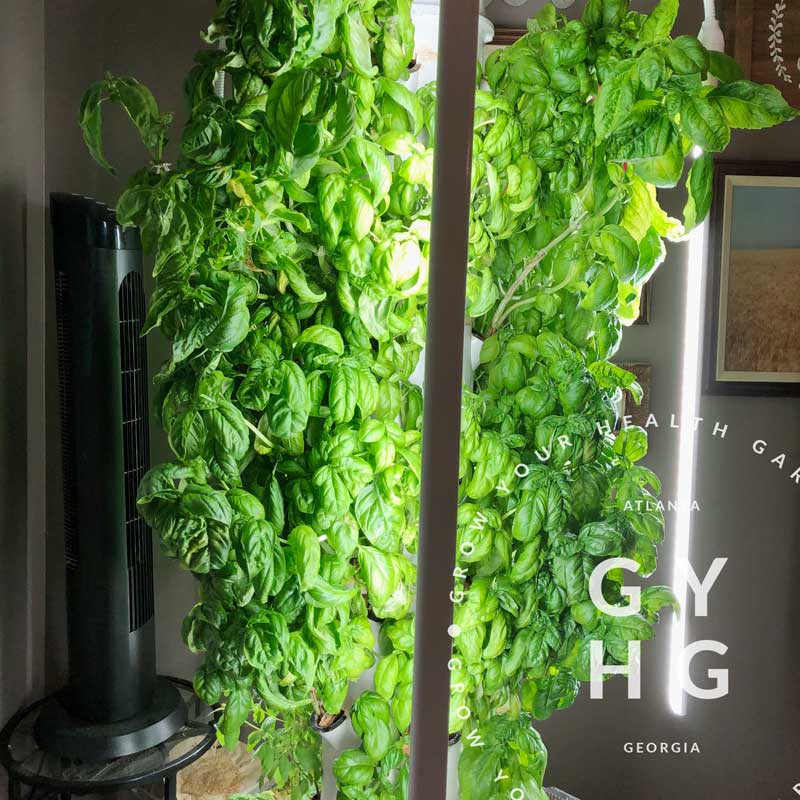
I just can’t describe how good it feels to have those you love, enjoy eating something that I grew. It feels good knowing I gave them the very best thing that they could eat and KNOW that it wasn’t sprayed or treated with any chemicals. One of the best feelings ever. I remember when I learned to grow basil and made pesto. My kids loved it! (And I did, too!) I loved that I could easily make it and put in the freezer for a quick week-night meal and that it was immune boosting. It’s the “new elderberry syrup” for improving our health. (Yes, basil is that healthy!)

organically grown hydroponic aeroponic basil in vertical garden growing system called the Tower Garden
Herbs are an easy starting place in learning to grow your own food and you reap the rewards of better flavor in your dishes
Rosemary Lemon Chicken is a tasty dish and the flavors are more pronounced with freshly picked and harvested rosemary. Check your growing zone to see what rosemary varieties are frost-hardy in your area.
Rosemary harvested can be dehydrated and stored to add to any dish later on.

If your plant didn’t grow or produce like you thought it would, that’s okay, too! In our home, we know that not meeting our goal or objective doesn’t equate to failure. Failure is when you don’t even try. If you feel discouraged, pick up your bootstraps and realize you have already succeeded because you took that difficult first step when so many others wouldn’t even attempt it. You are further along than you were before you ever tried. We can learn from everything we do. And as you’ll see in growing plants, every plant has very specific needs that must be met in order for them to grow (which also may make you reconsider the whole antiquated evolution theory and how things just may have “coincidentally happened” … more on that another time… but I think you may discover that plants are more complex than just throwing a seed in the ground. They were designed with a purpose and need specific parameter to grow and thrive.)
Backyard chickens eat from a metal basket hung at pecking height during the winter full of kale.
Even the chickens can enjoy the fruits of our labor. Kale is a FANTASTIC healthy green (or purple in this case) to feed chickens in the winter. Here, we hang a wire basket and share some of the bounty with our girls knowing what they eat will benefit us as well when it comes time to enjoy the eggs they produce.

So remember, there are countless benefits to consider. Think about and write down how learning about that one plant has or will benefit you. When I consider my own journey, growing my own food has been more than just plants though…. I have gotten off the couch and out from behind my desk and computer (except for this moment of course as I write to you) and it gets me actively moving my body which is good for me. I love to wear earbuds and listen to music or Podcasts as I work, so it is a moment where I can step away from my life responsibilities and refuel my mind and spirit while accomplishing a gardening task like pruning, checking on water lines and levels, or checking for pests. Know that you’ll benefit as well in the same way; research tells us that those who garden are happier. I’m also getting a good dose of Vitamin D from that sunshine and producing melatonin which both help your immune system. I have a college degree and could work in any corporate setting, but I have purposely chosen this natural permiculture and hydroponic organic method of growing food, because it is healthier for me physically, mentally, and emotionally. Plus, it is something a can do with my children, teaching them how plants grow and why they should grow them. I am sowing into not only myself, but the next generation.

Background Image credit: Kim Kight Moda Fabric Nov 2021 Release

Step 4: Repeat.

After you’ve finished the growing cycle of your plant and have accessed how it went in your gardening journal, repeat the process the next season. Pick another type of plant you’re interested in learning more about and pursue it. But here’s the cool thing… because you have already learned how to grow that other plant, you can now choose another variety within that same plant group and grow it AND the new plant you’re interested in learning more about. As you repeat this process season after season, before you know it, you’re growing a whole slew of healthy plants and enjoying reaping the benefits!

Let us know which plant you’re curious about and plan on learning more this year in the comments below!

Happy growing,

Erin

Erin Castillo is the owner of Grow Your Health Gardening and Lead Grower of GYHG Seed Co. She is certified in hydroponics and growing food using organic methods. She believes that life is to be lived to the fullest.

Shop seed grown by us GYHG Seed Co using organic methods.

Erin’s Top 9 Tomato Varieties to Grow

Happy New Year! As we look forward to the year ahead, it’s time to start thinking about what kind of nutritious food can be grown!

We’ve wrapped up our trials from 2021 and data and out of all the many cultivars grown of tomatoes, I’ve settled on these being my favorites to try in 2022.

When growing tomatoes, it’s always a good idea to think about HOW you plant to consume and use them. It will be a big help to you to evaluate this as it will determine what kind of tomato you should grow. And the BEST part of growing tomatoes is you can enjoy great taste as well that surpass anything that can be found at your local grocery store!

Here’s Erin’s tried and tested picks:

  • Casady’s Folly Paste Tomato (Sauce or Slicing)
    Why Erin chose it:
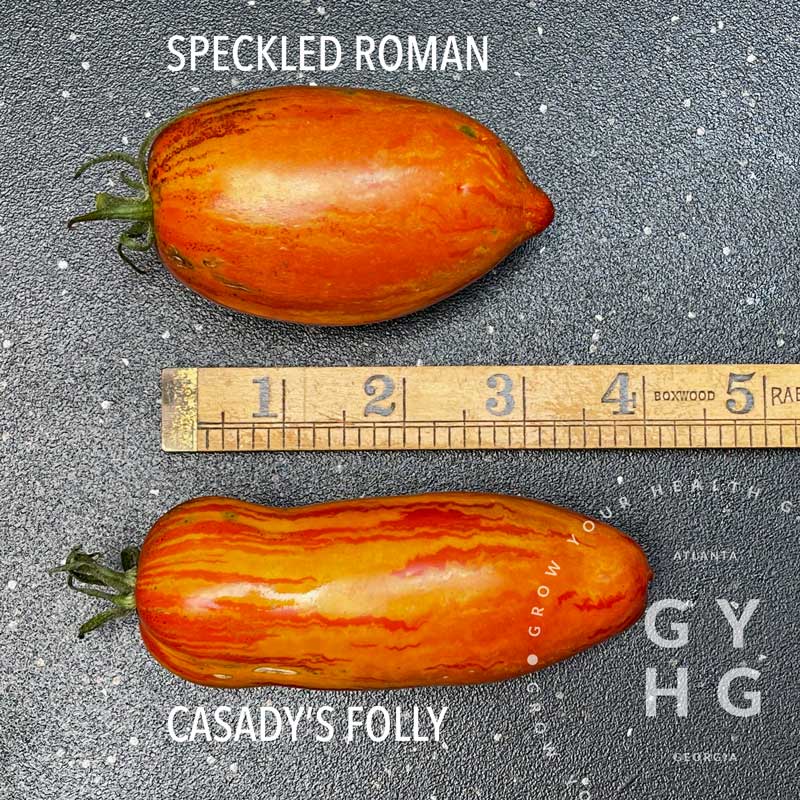
    “This variety is from tomato and potato breeder, Tom Wagner, of Washington State. It is a fantastic producer and beautiful on and off the vine. It is super versatile as well… you can slice it and add to any recipe that asks for a chopped tomato. It excels for making sauce. When compared to equal number of plants, it even out-performed 3.65x times the popular similar Speckled Roman paste variety. Casady’s Folly had more bud production and peaked in mid-July, but just kept pumping out the tomatoes until the end of September earning its spot as my top pick this growing season.”
Casady's Folly Open Source Tomato Paste Variety bred and developed by Tom Wagner Tomato breeder. Seed for Sale Hydroponic Adapted

  • Cancelmo Family Heirloom Paste Tomato (Sauce or Slicing)
    Why Erin chose it:
    Cancelmo Family Heirloom Paste Tomato is a wonderful oxheart-type tomato variety. It steadily produces good size meaty fruit making it a wonderful option for great tasting sauce, but can also make a nice slicer for BLT sandwiches as the size fits a slice of bread well and has low seed/pulp ratio. Because doesn’t produce as many seeds, we may swap in another variety once we sell out of our inventory with another variety that also performed well, so grab it while it’s part of the collection while you can.”
Cancelmo Family Paste Heirloom Tomato Oxheart Type good for Sauces Seed for Sale Hydroponic Adapted

  • Charlie Chapman Heirloom Tomato (Slicing or Stuffer)
    Why Erin chose it:
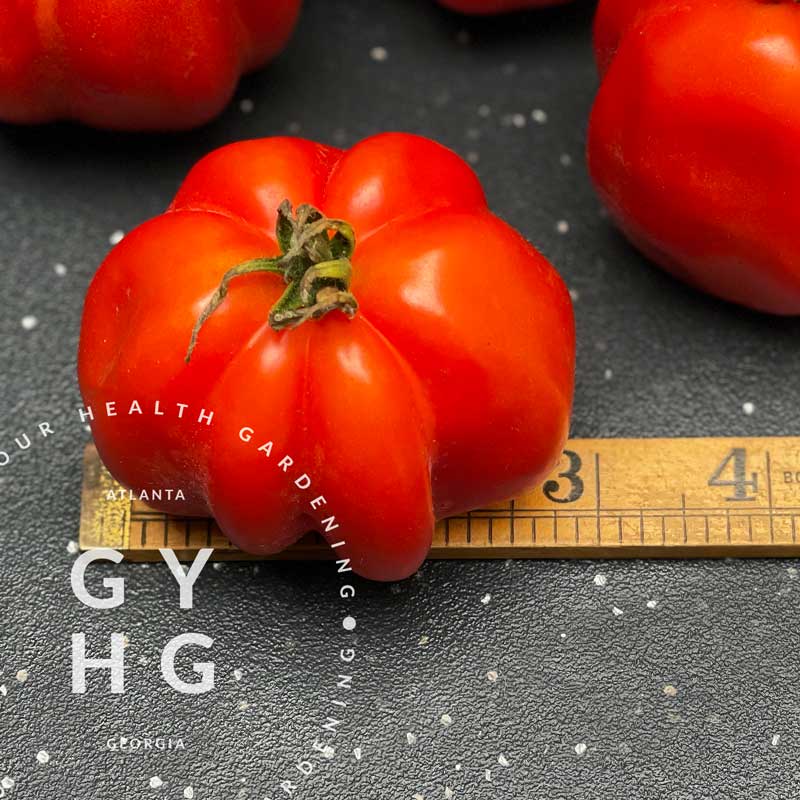
    I was originally attracted to Charlie Chapman Heirloom Tomato for it’s ruffled mid-size appearance and that it was touted as a good stuffing cultivar. I think part of the fun of growing food you can’t find in the store is using it in new ways in the kitchen. It’s a great way to add interest to what you’re eating and delights younger children as well. It did not disappoint and actually produced well throughout the growing season. This is a red tomato, but an orange-tinted red. I love how they look like miniature pumpkins.
Charlie Chapman Heirloom Tomato Seed for Sale Hydroponic adapted

  • Cherokee Purple Tomato or Paul Robeson Tomato ((Sauce or Slicing)
    Why Erin chose it:
    Cherokee Purple is one of our favorite tasting tomatoes. It’s not our biggest producer, but I chose this variety based on its flavor profile. Our seed comes from local stock and has been adapted over several generations. In fact, when I compared my seed to other seed providers, our seed was larger and more plump — these are traits that World Guinness Book Record holder, Charles Wilber, recommends looking for in seed with good DNA.
Cherokee Purple Heirloom Tomato Seed for Sale Hydroponic Adapted

  • Wagners Salad Green Tomato (aka: Green Elf) (Sauce or Slicing)
    Why Erin chose it:
    “We love fried green tomatoes and this determinate variety just pumped out nice firm green tomatoes much to our delight. The multiple buds it produced and actually set was amazing. I did have to prune it a bit for the Southern climate and for airflow, but I loved the thick sturdy stalk it had and the amount of production we got out of it. It’s a versatile tomato that looks pretty when added to red varieties in diced salsas or topping tacos or salads as well.
Green Elf (aka: Wagner's Salad Green Tomato) developed by Tom Wagner tomato breeder. Hydroponic adapted. Grown using organic method.

  • Nostrano Grasso Italian Tomato (Sauce or Slicing)
    Why Erin chose it:
    I was drawn to this variety because of the rariety of it in the United States as an Italian variety. I also thought the slight ruffled look of it was pretty and it did not disappoint. The production was wonderful and the tomato taste true Italian tomato flavors rang through checking all the boxes for me for a fantastic cultivar to grow.
Nostrano Grasso Italian Heirloom Tomato Hydroponic adapted seed for sale Rare variety in the United States

  • Blue Cream Berries Cherry Tomato (Salad Topper or Snacking)
    Why Erin chose it:
    This is a most unusual tomato. It looks unimpressive on the vine, but I always love to share it with my guests that come to the garden, just to see their look of surprise when they taste it. Your mind thinks it’s going to tart, but it’s not. It’s unlike any other tomato I have tried to date and the fact that it is known to also have those purple shoulders containing anthocyanans, well, it’s a tomato we should all be enjoying on salads or for snacking. What’s interesting is that the second year of adapting this variety the first fruits that came on where actually bigger than the previous year. This will be one I continue to grow out and adapt through hydroponics in the Southeast.
Blue Cream Berries Cherry Tomato hydroponic adapted grown with organic methods seed for sale

  • Black Cherry Tomato (Salad Topper or Snacking)
    Why Erin chose it:
    Our entire family loves the Black Cherry Tomato variety. Cherry Tomatoes are also easier to grow in the Southeast, so it’s a good starter tomato for anyone who hasn’t grown tomatoes before from seed. Like our other cultivars that have been adapted through hydroponic growing conditions, Black Cherry Tomatoes were larger and super tasty — especially early on in the season. These can be used for snacking, salads, sliced for tacos, or even sun-dried.
Black Cherry Tomato hydroponic adapted grown using organic methods seed for sale

  • + Bonus: Naughty Marietta French Marigold (Co-planting and other beneficial uses)
    Why Erin chose it:
    I wanted to include a marigold to encourage new growers to think of co-planting beneficial plants near one another. The marigold is fantastic for keeping some pest pressure down. You can grow and place in-between and around your plants that are growing, but the real benefit will be if you harvest some leaves and petals and make a biological tea and spray on your tomato plants once a week as a pro-active pest deterrent.
Naughty Marietta French Marigold beneficial flower seed for sale

If you want to learn more about this collection, feel free to click here. We wish you the best and a wonderful 2022 Growing Season! Be sure to let us know in the comments below what your favorite tomato variety was from your last growing season. We all learn from each other through sharing!

Erin's Top Picks Tomato Seed Collection