In Memory of Mom

To be honest, this is a little difficult to write … I’ve debated on what to do as this day has been approaching. A year ago, today was one of the worst couple of days of my life. (The day before was an especially gut-wrenching sort of day. My mom told me she wanted to take off the mask that was pumping oxygen into her lungs and keeping her alive. ) Shortly after the midnight hour, on this day one year ago, my mother died in a hospital bed from Covid. 

It was not how I envisioned saying “goodbye” to my mother on this side of heaven. I couldn’t be by her side. I was only on a FaceTime phone call and it tore me up to know she was alone with people she didn’t know in her last minutes of life here on earth. But, I don’t have to focus on those horrible things on this one-year anniversary, I can pause and remember the good…

The reason I am probably drawn to even do Grow Your Health Gardening is because of something Mom instilled within me from a very young age. She was a government school teacher for 30+ years and she instilled in me the value of the “teachable moment”. I remember her saying that you never know when a child really learns so she would suggest offering multiple opportunities to teach the same concept until it seemed that they understood.

She would say that when you see the opportunity to teach something new, you should pause and do it right in that moment. She told me a story about her own mother (who was an amazing farm cook and wonderful grandmother) who fussed at her lightly one day, because she had taken more time to do a task because she wanted to teach it to me as a little girl something as she did it. Mom saw a “teachable moment” and made time for me to learn along side her. I see myself doing this in my own children as we do life together. I often pause and repeat the same lesson again and again with them asking them, “Now why am I doing this? Why is this important?” — just to make sure they understand the lesson that is there to learn.

She valued learning and I am so thankful that she instilled in me that you are never too old to learn. Learning is lifelong (and makes life so interesting.) Perhaps that’s why I continue to write when I can on GrowYourHealthGardening.com in-between teaching our other children (2 are already pursuing higher education), growing things, and taking care of my family.

Mom was really good at growing African Violets inside our front living room. I remember her tip was to put some liquid fertilizer in the water and she always put them in a 13×9 pan and told me to water them from the bottom (let them soak up through the roots what they wanted to take and then remove them from the pan of nutrient-rich water.)

She taught me to plant marigolds to keep away aphids and to put a bit of fish in a hole before planting a strawberry start. She loved her little garden of flowers and especially was good with roses. That was difficult for her to leave as she became more reliant on the care of others. She always enjoyed the flowers. In fact, as a little girl, I remember she and grandma take me out for a drive and we would pick wildflowers. Those are good memories.

It seems sort of silly to throw a sale in her honor, but I know it would have made her smile. So we are going to pause from the busyness of life today and spread some love (as she was often ready to give to help others in need if she felt led). In honor of Mom we are giving 15% off on all seeds (no order minimum) in the seed shop if you enter the code “INMEMORYOFMOM” at check out today (1/14) through Sunday, 1/16. 

My heart goes out to those that have lost loved one(s) from this horrible virus. My heart grieves with you in your loss. But it doesn’t have to be something that drives our decisions by fear. I was very fearful after her death of Covid. I’m so very thankful that the Lord allowed my son to get sick so we could see that every person responds differently to it and we now know because of world-wide spread and treatment options that certain drugs DO work better than others. I am thankful also for those in my life who have encouraged me to not let fear drive how I live my life. Life is meant to be lived to the fullest in giving glory to God. It has made me more appreciative of time I DO have with those I love and not take the time with them for granted for none of us know what tomorrow will bring.

So, be well and do what you can to be healthy and build your immune system (like growing your own food in your own garden.) Don’t let fear be the driver of your decisions. Don’t follow the masses. Remember, you are exactly who God created you to be and live life to the fullest every day. And pause to remember those loved ones you may have lost and share their story in the comments below.

Thanks for letting me share my heart and my Mama today with you…

Love, Erin

Owner and Lead Grower
Grow Your Health Gardening

Start your journey to health and gardening with this one simple step

KEY TAKEAWAYS AT A GLANCE:

• The key to giving your body better nutrition is to grow your own food.
— You will be able to eat what you grow shortly after harvest, thereby getting the highest level of nutrient that the plant can provide because the plant is allowed to grow to full maturity where nutrients will be at a peak AND you will be able to consume it shortly after harvest.
— You have control over how your food is grown meaning soil health, hydroponics, and anything applied to the plant to control pest pressure or enhance nutrition profile in plant like beneficial biological foliar tea applications.
— You will benefit not only physically, but mentally, emotionally and spiritually from being more connected to your food and outdoors.

• If you’ve never grown your own food, taking that first step can feel overwhelming. Begin by just choosing to focus on how to grow a food that you eat already and taking a moment to think about why you are motivated to make the effort.

• A simple and very doable approach to getting started growing your own food is to simply ask one question, “What one new thing can I learn to grow this year?”


The key to moving to better nutrition for your body is to grow your own food. That’s how my journey began. What did I do? I simply became curious and had an attitude to learn — and I picked just one plant to learn about. I deep dove into learning everything I could about that one plant and what it needed to grow. Single focused. One simple step. A willingness to change and grow through gardening.

Step 1: Pick 1 (one) plant to learn more about.
Background Image credit: Kim Kight Moda Fabric Nov 2021 Release

Here’s how you can make a BIG difference this year in your health by just learning to grow one new plant:

Step 1: Consider healthy grown food choices you are already enjoying.

You’re more likely to eat what you grow and if it’s already something you’re familiar. Research has even shown this to be true with children — children are more likely to eat what they have grown. Why would we be any different? 😉

For example, I like to eat Kale. I noticed that Kale was on EWG’s (Environmental Working Group’s) Dirty Dozen List. I didn’t want to give up eating kale simply because it was often sprayed by those growing it and wanted to reduce the amount of chemicals I was putting into my body. I also found that my kids like the cheesy kale chips at the store, but my pocket book felt the pain every time I had to purchase that in bulk. The best solution? Learn to grow it.

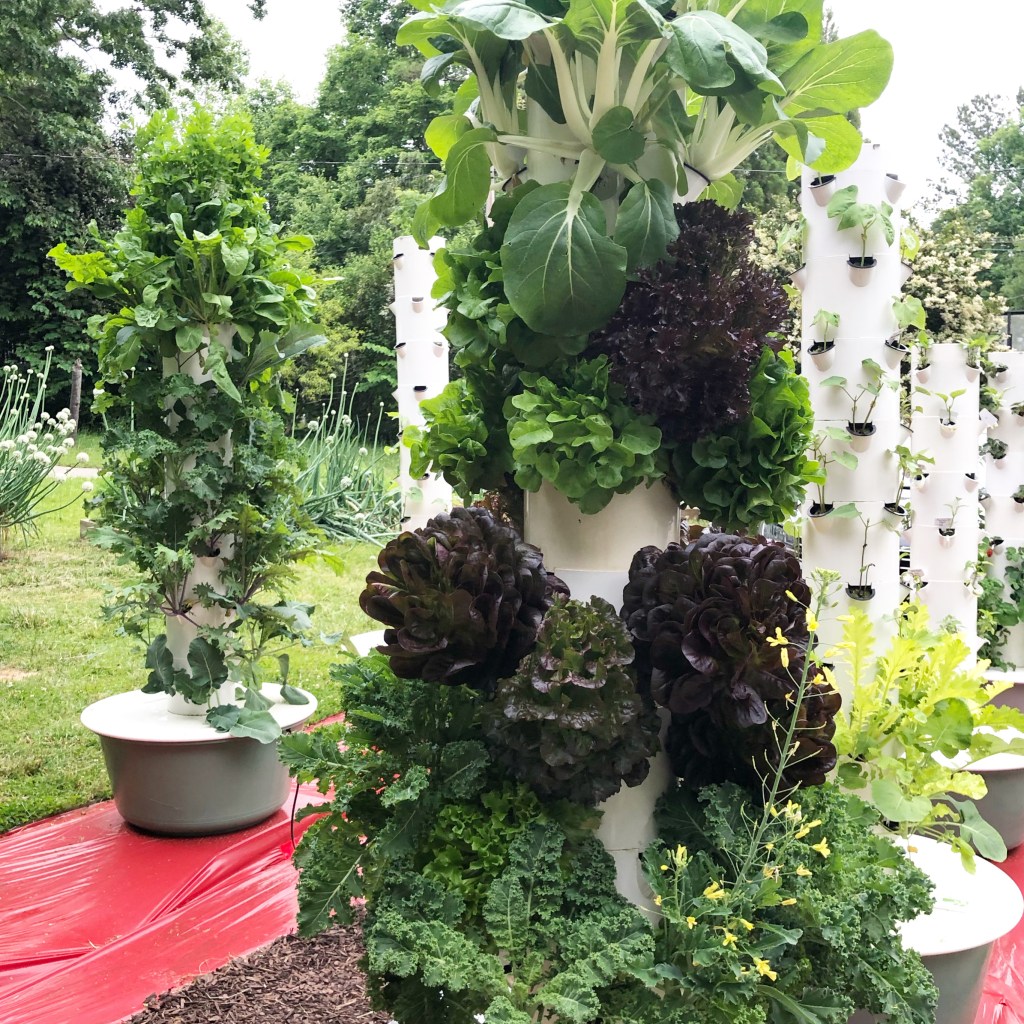
Bok Choy and greens growing on hydroponic and aeroponic Tower Garden.
Tower Garden growing hyroponic lettuce, kale and bok choy. To learn more visit: erincastillo.towergarden.com
Spinach growing in a hydroponic Tower Garden vertical garden growing system.
Tip: If you’re new to growing Spinach and gardening altogether, I recommend that you don’t pick spinach as your first plant to try growing from seed. Instead, purchase a start and grow it from that stage or read our article on how to start spinach from seed.
Step 2: Learn everything you can about that plant.
Background Image credit: Kim Kight Moda Fabric Nov 2021 Release

Step 2: Learn everything you can about what the plant needs to grow.

Single-tasking has been proven to be THE BEST way to get something done. Keep it simple. Don’t over-complicate things. Just choose one thing and learn it well. Focusing on learning one new plant will set you up for success and lead to better nutrition for your body!

We are so blessed to live in an age where we have so much information at our fingertips with a simple search. Take advantage of this and devote at least 15 focused non-distracted minutes a day to look-up details about the plant you’re wanting to learn how to grow. Record what you learn on a sheet a paper and put it in a 3-Ring Binder. This becomes a handy-reference in seasons to come as you add other plants to your ever growing notebook.

You’ll find that after a couple of growing seasons, you’re able to add more than one plant to your ever-growing “new plants I’m curious about” list. And you’ll be able tackle more because once you know a plant, you can grow a different similar variety with ease because you’ve already studied that plant group.


“Take advantage of this and devote at least 15 focused non-distracted minutes a day to look-up details about the plant you’re wanting to learn how to grow. Record what you learn on a sheet a paper and put it in a 3-Ring Binder”
— Erin Castillo, Owner of Grow Your Health Gardening


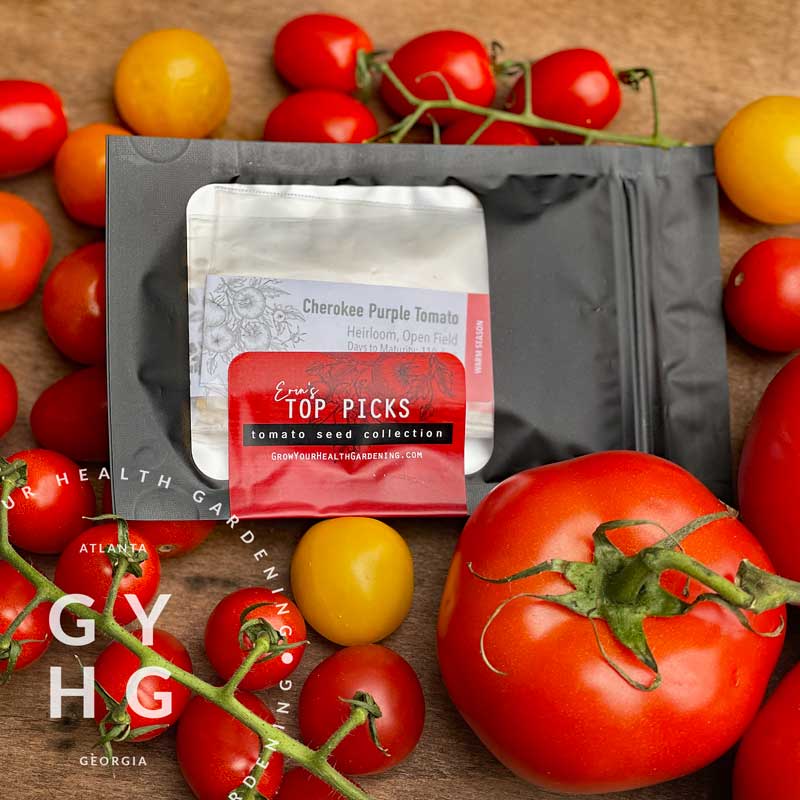
Tomato Lover’s Heirloom Tomato Seed Collection by Grow Your Health Gardening Seed Co. is our top pics for anyone who wants to grow tomatoes not found in the big box chain or grocery store. A true culinary delight.

Let curiosity guide your research. Ask questions like:

  • What temperature does this plant like to grow in: Cool or Warm? Knowing the temperature preference of a specific plant cultivar will tell you what time of year to start growing that plant. For example, kale likes to grow when it is cooler. Okay. How cool? Is there a certain range of temperature it prefers? Okay. We find that it likes 70ºF-80ºF, but some varieties like Lucinato (Dinosaur Kale), Dwarf Siberian, Vates Blue Scotch, Premier, White Russian, and Red Russian can tolerate SOIL TEMPS as low as 20ºF. I can look up those temperature ranges for the area I live in and look to see about when those temperatures are occurring. Then, when I look at the days to maturity, I can use a calendar calculator and count backwards from that temperature range and I can get my seed start date. Not sure how to quickly find a date? Just do a keyword online search for “count days calculator” or pull out an actual monthly calendar and physically count the days backwards with your finger.
  • What sort of lighting requirements does the plant need? Most vegetables need 8-10 hours of full sun a day. Consider watching where you have a sunny patch for the longest hours in a day. This is going to be your growing area. Don’t have a sunny patch and just a lot of shade? No problem! Invest in an indoor growing system with grow lights where you can control the temperature and grow year round.
  • What is the ideal pH range your plant needs to take up nutrients?
    Your pH level plays a very important role in which nutrients a plant can access and use to fuel it. I’ve provided a chart (below) to illustrate which nutrients a plant can take up when it’s within the ideal pH range. Most plants need somewhere between 5.5 to 6.8. Leafy greens prefer the 6.0 pH to 6.5 pH range whereas tomatoes prefer between 6.0-6.8 pH. Notice how kale, which likes it between 6.0-7.0 pH, when soil or water in a hydroponic or aquaponic system is kept between this range will be able to access nutrients like Nitrogen, Phosphorus, Potassium, Sulfur, Calcium, Magnesium, Iron, Manganese, Boron, Copper and Zinc and Molybdenum. If you’re growing hydroponically, you can quickly and easily test pH levels with a pH meter like this. If you’re growing in soil, you can get a soil test from your local county extension office for around $10. You can also get a device like this that will get you fairly close. Remember, soil takes several months to adjust the pH level. Hydroponics and Aeroponics takes only a few hours with either pH up or pH down.
pH Absorption Chart
pH Absorption Chart shows which nutrients are available to a plant based on pH range.
Grow heirloom beans and enjoy different flavor and texture profiles not found in your grocery store.
Heirloom Beans are a fun way of exploring a healthy and high protein food group. There are so many different types of beans (bush beans, pole beans, runner beans, etc.) that the options are endless in enjoying new types of beans you can’t find in the grocery store. Check out our line of heirloom beans at https://store.growyourhealthgardening.com
  • What sort of nutrients does my plant require?
    If you’re working in soil, it will be helpful to understand your soil food web and how micro-organisms and beneficial bacteria within the soil work together to help replenish nutrients in the soil for the plant to access. If you’re working in hydroponics or aquaponics, you’ll want to purchase a TDS meter and a well-rounded nutrient like this Mineral Blend. When you go to add your nutrients, simply keep your PPM levels within the ideal range the plant prefers. You can find a fantastic hydroponic cheat sheet here that we’ve created for your convenience.
  • How long does it take for my plant to grow?
    Knowing this tidbit of information helps you figure out when to start growing your desired plant and calculating days to ensure you can get your plant to harvest stage. For example, I know that kale takes about two months to go from seed to ready for harvest. Again, you can reference most of this information in a simple chart here.
  • How many should I plant to produce enough food for myself and my family? How does that fit in with the growing space that has enough lighting that I have to work with at home? Learning how big a plant gets and if it continues to grow after a harvest can help you understand what sort of return you’ll get from starting one plant and growing it out.
  • Are there any diseases or pests that may target the plant I intend to grow? Can I take any preventative measures that don’t require chemical applications? For example, kale can get hit by the army worm. The eggs are laid by pretty white butterflies on the underside of the kale leaf where their young can have an instant food source. By simply covering your food crop with a net before these butterflies show up, you can dramatically increase your success rate and achieve your goals in growing healthy food. And know that it’s perfectly fine to learn as you go… don’t feel that you have to have a handle on all of this before you begin. When something shows up, you can look up what it is and how to deal with it. It’s part of the learning process.
Fall Winter Spring Cool Season Lettuce Chicory and other Greens Harvested and grown hydroponic organically grown
  • What can I do with what I grow?
    How can it be preserved? For example, if I have a lot of kale, I can dehydrate it and make cheesy kale chips to store in my pantry (which my kids love). I can freeze it and use it in morning smoothies. I can dehydrate it and use in soups for added nutrition. Thinking how you already use this food will help you anticipate and plan ahead when the plant is ready to harvest.
  • How will growing this benefit me?
    We are such a consumer culture that wants things ready in an instant. We have to break this cycle. We forget that there is joy to be found in the rhythm of being more connected to our food and the process of seeing something from beginning to end — from seed to harvest to table. There are intangible benefits to note, like getting more exercise and being outside in the sunshine and fresh air which produces Vitamin D in your body and (sleep chemical). It relaxes your body which reduces stress and cortisone levels giving your thyroid a break. Then there’s the actual nutritional benefits. What vitamins does the plant you intend to grow give to your body? How will those nutrients help you be healthier and stronger? Sitting down and focusing on these things and having them written down will motivate you to keep going when you encounter any challenges to overcome along the way.
Background Image credit: Kim Kight Moda Fabric Nov 2021 Release

Step 3: Reap the rewards. Bask in the benefits of your time and effort.

I just can’t describe how good it feels to have those you love, enjoy eating something that I grew. It feels good knowing I gave them the very best thing that they could eat and KNOW that it wasn’t sprayed or treated with any chemicals. One of the best feelings ever. I remember when I learned to grow basil and made pesto. My kids loved it! (And I did, too!) I loved that I could easily make it and put in the freezer for a quick week-night meal and that it was immune boosting. It’s the “new elderberry syrup” for improving our health. (Yes, basil is that healthy!)

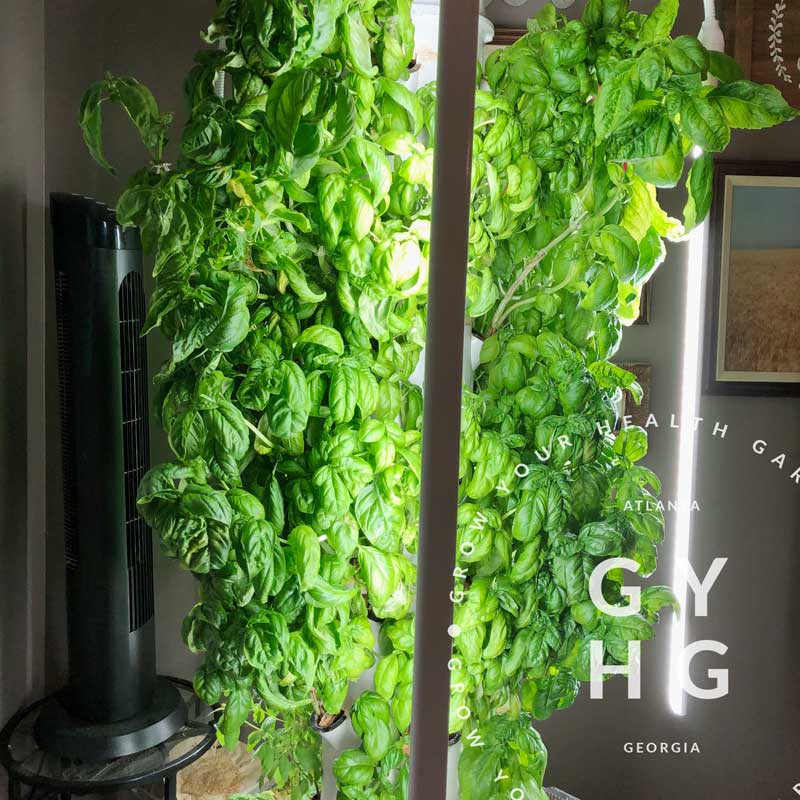
organically grown hydroponic aeroponic basil in vertical garden growing system called the Tower Garden
Herbs are an easy starting place in learning to grow your own food and you reap the rewards of better flavor in your dishes
Rosemary Lemon Chicken is a tasty dish and the flavors are more pronounced with freshly picked and harvested rosemary. Check your growing zone to see what rosemary varieties are frost-hardy in your area.
Rosemary harvested can be dehydrated and stored to add to any dish later on.

If your plant didn’t grow or produce like you thought it would, that’s okay, too! In our home, we know that not meeting our goal or objective doesn’t equate to failure. Failure is when you don’t even try. If you feel discouraged, pick up your bootstraps and realize you have already succeeded because you took that difficult first step when so many others wouldn’t even attempt it. You are further along than you were before you ever tried. We can learn from everything we do. And as you’ll see in growing plants, every plant has very specific needs that must be met in order for them to grow (which also may make you reconsider the whole antiquated evolution theory and how things just may have “coincidentally happened” … more on that another time… but I think you may discover that plants are more complex than just throwing a seed in the ground. They were designed with a purpose and need specific parameter to grow and thrive.)

Backyard chickens eat from a metal basket hung at pecking height during the winter full of kale.
Even the chickens can enjoy the fruits of our labor. Kale is a FANTASTIC healthy green (or purple in this case) to feed chickens in the winter. Here, we hang a wire basket and share some of the bounty with our girls knowing what they eat will benefit us as well when it comes time to enjoy the eggs they produce.

So remember, there are countless benefits to consider. Think about and write down how learning about that one plant has or will benefit you. When I consider my own journey, growing my own food has been more than just plants though…. I have gotten off the couch and out from behind my desk and computer (except for this moment of course as I write to you) and it gets me actively moving my body which is good for me. I love to wear earbuds and listen to music or Podcasts as I work, so it is a moment where I can step away from my life responsibilities and refuel my mind and spirit while accomplishing a gardening task like pruning, checking on water lines and levels, or checking for pests. Know that you’ll benefit as well in the same way; research tells us that those who garden are happier. I’m also getting a good dose of Vitamin D from that sunshine and producing melatonin which both help your immune system. I have a college degree and could work in any corporate setting, but I have purposely chosen this natural permiculture and hydroponic organic method of growing food, because it is healthier for me physically, mentally, and emotionally. Plus, it is something a can do with my children, teaching them how plants grow and why they should grow them. I am sowing into not only myself, but the next generation.

Background Image credit: Kim Kight Moda Fabric Nov 2021 Release

Step 4: Repeat.

After you’ve finished the growing cycle of your plant and have accessed how it went in your gardening journal, repeat the process the next season. Pick another type of plant you’re interested in learning more about and pursue it. But here’s the cool thing… because you have already learned how to grow that other plant, you can now choose another variety within that same plant group and grow it AND the new plant you’re interested in learning more about. As you repeat this process season after season, before you know it, you’re growing a whole slew of healthy plants and enjoying reaping the benefits!

Let us know which plant you’re curious about and plan on learning more this year in the comments below!

Happy growing,

Erin

Erin Castillo is the owner of Grow Your Health Gardening and Lead Grower of GYHG Seed Co. She is certified in hydroponics and growing food using organic methods. She believes that life is to be lived to the fullest.

Shop seed grown by us GYHG Seed Co using organic methods.

Erin’s Top 9 Tomato Varieties to Grow

Happy New Year! As we look forward to the year ahead, it’s time to start thinking about what kind of nutritious food can be grown!

We’ve wrapped up our trials from 2021 and data and out of all the many cultivars grown of tomatoes, I’ve settled on these being my favorites to try in 2022.

When growing tomatoes, it’s always a good idea to think about HOW you plant to consume and use them. It will be a big help to you to evaluate this as it will determine what kind of tomato you should grow. And the BEST part of growing tomatoes is you can enjoy great taste as well that surpass anything that can be found at your local grocery store!

Here’s Erin’s tried and tested picks:

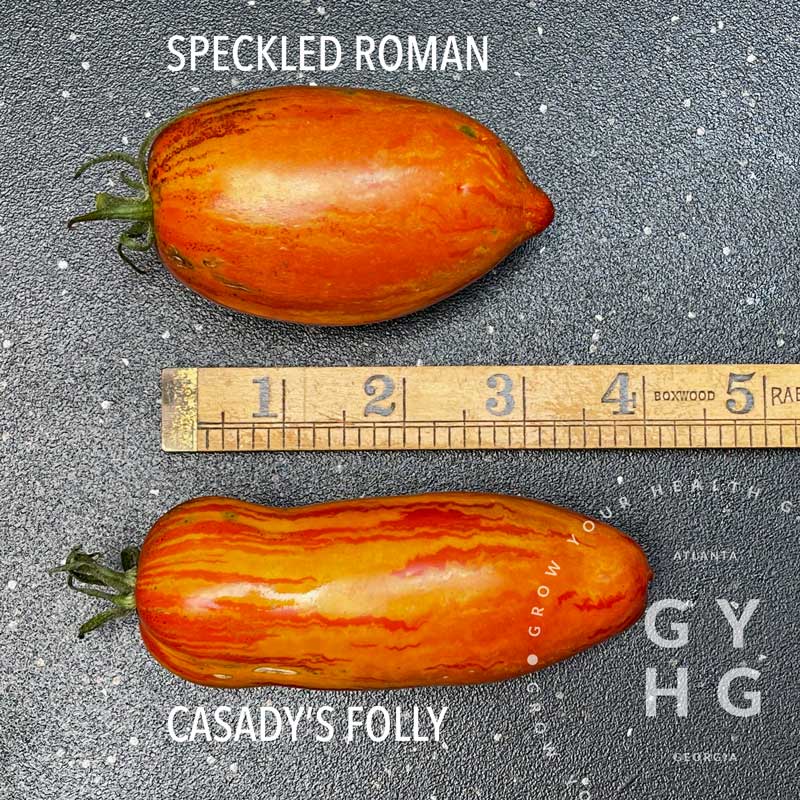
  • Casady’s Folly Paste Tomato (Sauce or Slicing)
    Why Erin chose it:
    “This variety is from tomato and potato breeder, Tom Wagner, of Washington State. It is a fantastic producer and beautiful on and off the vine. It is super versatile as well… you can slice it and add to any recipe that asks for a chopped tomato. It excels for making sauce. When compared to equal number of plants, it even out-performed 3.65x times the popular similar Speckled Roman paste variety. Casady’s Folly had more bud production and peaked in mid-July, but just kept pumping out the tomatoes until the end of September earning its spot as my top pick this growing season.”
Casady's Folly Open Source Tomato Paste Variety bred and developed by Tom Wagner Tomato breeder. Seed for Sale Hydroponic Adapted

  • Cancelmo Family Heirloom Paste Tomato (Sauce or Slicing)
    Why Erin chose it:
    Cancelmo Family Heirloom Paste Tomato is a wonderful oxheart-type tomato variety. It steadily produces good size meaty fruit making it a wonderful option for great tasting sauce, but can also make a nice slicer for BLT sandwiches as the size fits a slice of bread well and has low seed/pulp ratio. Because doesn’t produce as many seeds, we may swap in another variety once we sell out of our inventory with another variety that also performed well, so grab it while it’s part of the collection while you can.”
Cancelmo Family Paste Heirloom Tomato Oxheart Type good for Sauces Seed for Sale Hydroponic Adapted

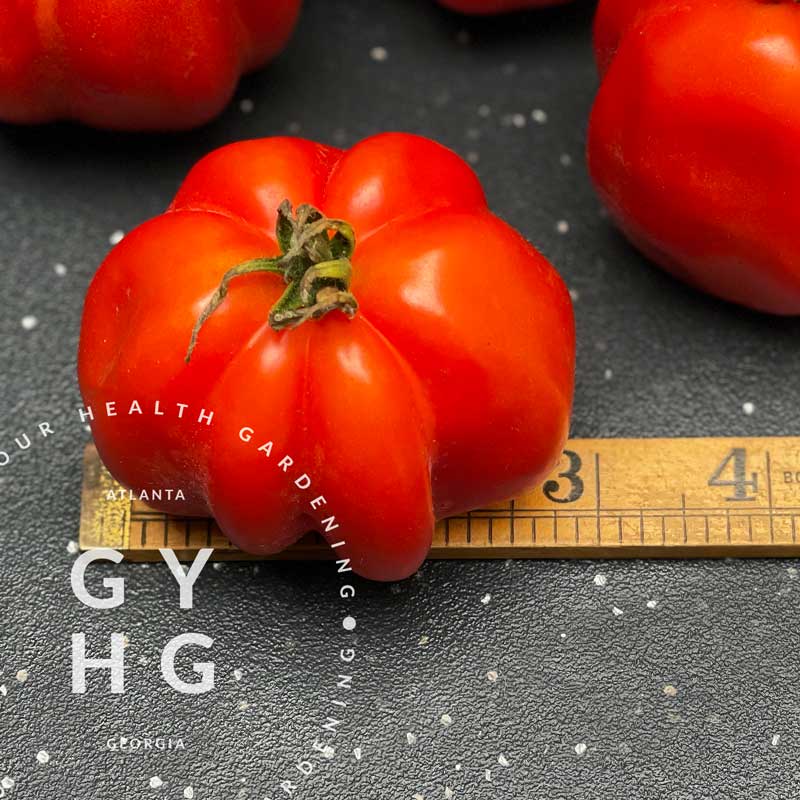
  • Charlie Chapman Heirloom Tomato (Slicing or Stuffer)
    Why Erin chose it:
    I was originally attracted to Charlie Chapman Heirloom Tomato for it’s ruffled mid-size appearance and that it was touted as a good stuffing cultivar. I think part of the fun of growing food you can’t find in the store is using it in new ways in the kitchen. It’s a great way to add interest to what you’re eating and delights younger children as well. It did not disappoint and actually produced well throughout the growing season. This is a red tomato, but an orange-tinted red. I love how they look like miniature pumpkins.
Charlie Chapman Heirloom Tomato Seed for Sale Hydroponic adapted

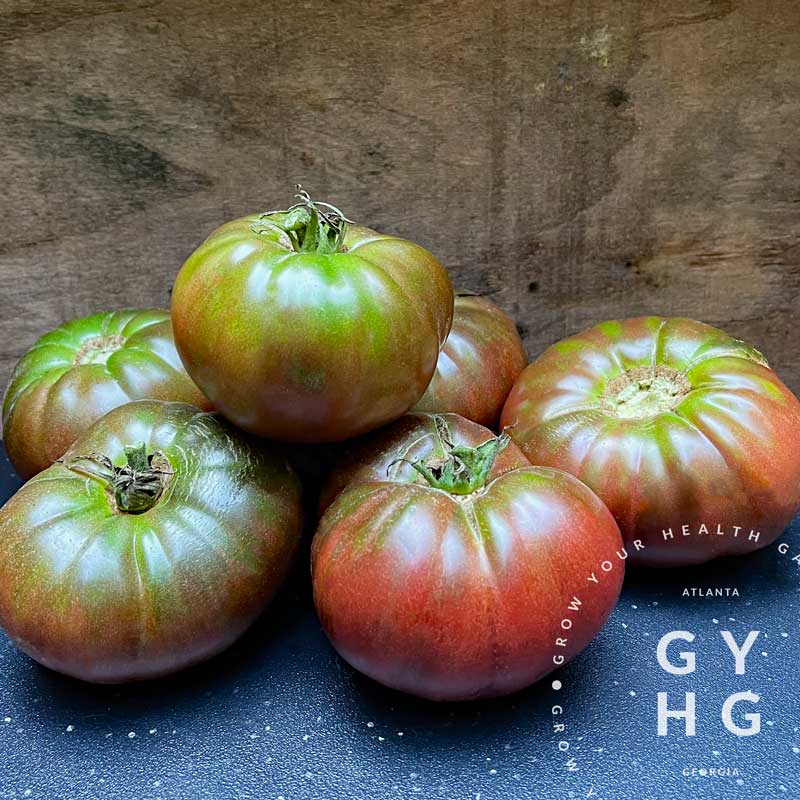
  • Cherokee Purple Tomato or Paul Robeson Tomato ((Sauce or Slicing)
    Why Erin chose it:
    Cherokee Purple is one of our favorite tasting tomatoes. It’s not our biggest producer, but I chose this variety based on its flavor profile. Our seed comes from local stock and has been adapted over several generations. In fact, when I compared my seed to other seed providers, our seed was larger and more plump — these are traits that World Guinness Book Record holder, Charles Wilber, recommends looking for in seed with good DNA.
Cherokee Purple Heirloom Tomato Seed for Sale Hydroponic Adapted

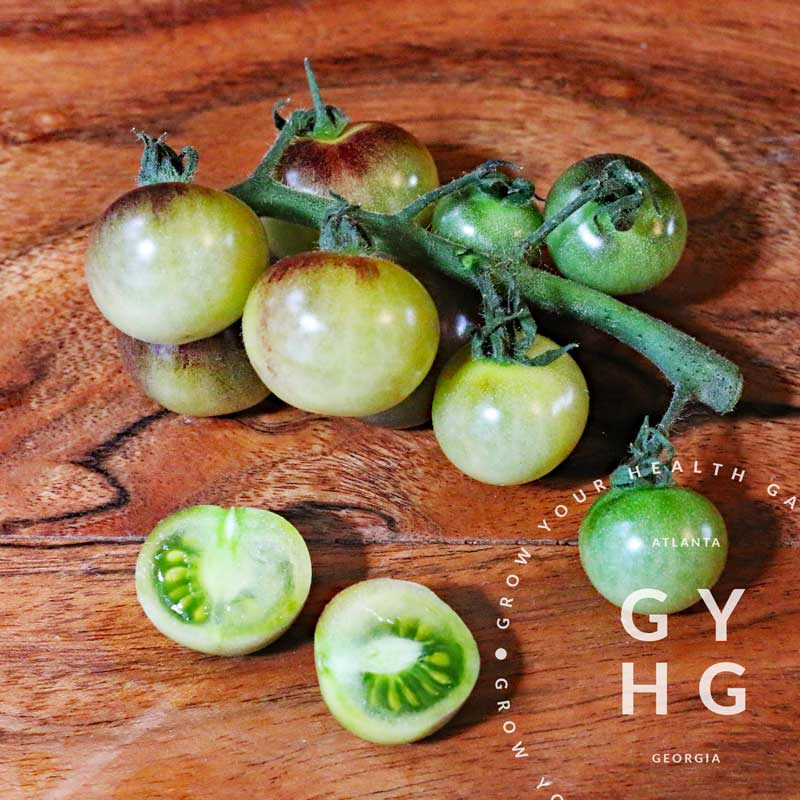
  • Wagners Salad Green Tomato (aka: Green Elf) (Sauce or Slicing)
    Why Erin chose it:
    “We love fried green tomatoes and this determinate variety just pumped out nice firm green tomatoes much to our delight. The multiple buds it produced and actually set was amazing. I did have to prune it a bit for the Southern climate and for airflow, but I loved the thick sturdy stalk it had and the amount of production we got out of it. It’s a versatile tomato that looks pretty when added to red varieties in diced salsas or topping tacos or salads as well.
Green Elf (aka: Wagner's Salad Green Tomato) developed by Tom Wagner tomato breeder. Hydroponic adapted. Grown using organic method.

  • Nostrano Grasso Italian Tomato (Sauce or Slicing)
    Why Erin chose it:
    I was drawn to this variety because of the rariety of it in the United States as an Italian variety. I also thought the slight ruffled look of it was pretty and it did not disappoint. The production was wonderful and the tomato taste true Italian tomato flavors rang through checking all the boxes for me for a fantastic cultivar to grow.
Nostrano Grasso Italian Heirloom Tomato Hydroponic adapted seed for sale Rare variety in the United States

  • Blue Cream Berries Cherry Tomato (Salad Topper or Snacking)
    Why Erin chose it:
    This is a most unusual tomato. It looks unimpressive on the vine, but I always love to share it with my guests that come to the garden, just to see their look of surprise when they taste it. Your mind thinks it’s going to tart, but it’s not. It’s unlike any other tomato I have tried to date and the fact that it is known to also have those purple shoulders containing anthocyanans, well, it’s a tomato we should all be enjoying on salads or for snacking. What’s interesting is that the second year of adapting this variety the first fruits that came on where actually bigger than the previous year. This will be one I continue to grow out and adapt through hydroponics in the Southeast.
Blue Cream Berries Cherry Tomato hydroponic adapted grown with organic methods seed for sale

  • Black Cherry Tomato (Salad Topper or Snacking)
    Why Erin chose it:
    Our entire family loves the Black Cherry Tomato variety. Cherry Tomatoes are also easier to grow in the Southeast, so it’s a good starter tomato for anyone who hasn’t grown tomatoes before from seed. Like our other cultivars that have been adapted through hydroponic growing conditions, Black Cherry Tomatoes were larger and super tasty — especially early on in the season. These can be used for snacking, salads, sliced for tacos, or even sun-dried.
Black Cherry Tomato hydroponic adapted grown using organic methods seed for sale

  • + Bonus: Naughty Marietta French Marigold (Co-planting and other beneficial uses)
    Why Erin chose it:
    I wanted to include a marigold to encourage new growers to think of co-planting beneficial plants near one another. The marigold is fantastic for keeping some pest pressure down. You can grow and place in-between and around your plants that are growing, but the real benefit will be if you harvest some leaves and petals and make a biological tea and spray on your tomato plants once a week as a pro-active pest deterrent.
Naughty Marietta French Marigold beneficial flower seed for sale

If you want to learn more about this collection, feel free to click here. We wish you the best and a wonderful 2022 Growing Season! Be sure to let us know in the comments below what your favorite tomato variety was from your last growing season. We all learn from each other through sharing!

Erin's Top Picks Tomato Seed Collection

GYHG Seed Co. Receives Star Seller for January 2022

Grow Your Health Gardening (GYHG) Seed Co. was identified as Star Seller on Etsy for January 2022. To achieve Star Seller of the Month status, orders met on-time shipping guidelines, communication response within 24 hours was 100% of the time, and Grow Your Health Gardening Seed Co. received 100% 5-Star Ratings from customers who received their seed orders.

Here’s some of what our customers are saying about Grow Your Health Gardener Seed Co.’s service and quality grow with organic methods seeds:

★★★★★ “Wonderful seed company with lots of information that comes with your seed order. Also check out their website. They have ton of wonderful seeds and information on it.” — Royal W

★★★★★ 
Liked that a lot of this company’s seeds are adapted to hydroponics. Love the large selection of heirloom cherry tomatoes which should be perfect for my large indoor Aerogarden. I haven’t had a chance to start any yet, but will try to update review once I do.” — Danielle H.

★★★★★ 
Seeds look great. Looks like a huge tomato can’t wait for a tomato sandwich I’m looking forward to spring to plant. Thanks for the gift pack of seeds!!
—GiGi

★★★★★
Not only was a cute piece of tape holding my seeds, a note was hand written. The best part, it came with a chart of repellent plants for pests. Put of all my orders, this was the best.
— Davena

★★★★★ 
Arrived quickly and was very well packaged, thank you so much!” 
—Kate

★★★★★ 
Can’t wait to buy again
—Allen 

★★★★★ 
Awesome service on all the seeds I bought. So excited to watch these guys grow! 🙂” 
—Anna 

★★★★★ 
Super fast shipping can’t wait to plant these thank you!!!” 
— Lushes Lips Lotions

★★★★★
Purchased several seeds, and received them all safely, including a gift pack of calypso bean seeds. Very friendly, easy to communicate, and the seeds came packaged very neatly. I truly enjoyed shopping from this company. Thank you!
— Carrie C. 

★★★★★ 
The seeds shipped promptly and were well packaged. I planted them three days ago and two have already sprouted.” 
— Be Sure to Loop

★★★★★ 
Seeds came quickly. I can’t wait to grow them in my hydroponic setup.” 
—Christine G.

To purchase hydroponic-adapted seeds and soil-grown seeds grown in the Southeast Zone 7B, you can order on Etsy.com or visit Grow Your Health Gardening.

The Star Seller badge is Etsy’s way of recognizing sellers with a proven record of providing a great customer experience. To become a Star Seller, your store must meet certain criteria for messages, shipping, ratings, orders, and sales. 

If these core fundamentals of delivering great customer service are achieved, a shop may receive a badge that shows buyers that a shop has consistently provided an excellent customer experience.

USPS Increasing Rates—Best to order seed before Jan 8

Just a friendly reminder that the United States Postal Service (USPS) will be raising their rates yet again and the new rates will go into effect on January 9th

All that to say, if you want to beat increased shipping charges on any order, be sure to order before January 8th! And as always, we cover the cost of shipping on all seed orders over $35 at Grow Your Health Gardening Seed Co.

• First Class Package Service will increase by $.06–$.07 USD in the 1–4oz weights.

• Domestic Priority Mail and Priority Mail Express rates will increase by an average of 3.1%.

• First Class Mail Flats and Letters will remain unchanged in 2022. 

You can learn more on the USPS website.

We mail our packages with tracking keeping mindful of protecting seeds and watching temperatures that the seed experiences during transit. The cold winter months are an ideal time to purchase your seed as heat from shipping containers can damage or in extreme heat situations actually kill viable good seed.

And remember, we are a small business that simply focuses on growing the best seed money can buy. We are not a shipping company. Know that we will make every effort to make sure your seed investment gets to you safely, but once we mail your seed order, USPS takes the “baton” so to speak, and is responsible for ensuring that the service you paid for will be carried out.

So, if you don’t plan on spending over $35, you will want to get that seed order in before Saturday, January 8. We will ship all current seed orders taken in over the New Year Holiday on Monday, January 3, 2022 when USPS receives mail again.

Looking forward along with you, {{ data.customer.first_name|default:’my friend’ }} , to the growing season ahead! Happy New Year!

Erin
Owner and Lead Grower
Grow Your Health Gardening
PS: Did you know that researchers have found that sending a handwritten note boosts positive emotions and well-being of both the letter-writing “expresser” and the recipient when they receive a hand written note or card in the mail? Consider pausing for 15 minutes today to send a quick note through the mail to someone you love to remind them you are thinking about them and care. It’s good for your health as well! 🙂

PSS: What new plant will you learn to grow this year?

Stop! Don’t burn those leaves or throw them away!

November 2, 2021

By Erin Castillo

The dazzling display of crimson and orange as autumn summons the changes in the colors of leaves will soon fade within a matter of weeks as tree leaves settle to the ground at our feet. To the untrained eye, their purpose seems to have ended only to be tossed to-and-fro by the wind across our yard. But did you know that these fallen leaves from trees can improve your soil? How? Through Leaf Mold.

Colored Leaves Falling on the Ground

What is Leaf Mold?  

Leaf Mold is essentially partially decomposed hardwood tree leaves. If you were to go out into the woods and lift up the layer of leaves to reveal the top soil surface, you’d find Leaf Mold. Instead of leaves breaking down with bacteria, like traditional hot composting pile methods, leaf mold uses a slower, but important, fungi-driven process. The result is Leaf Mold—an excellent carbon-rich natural soil amendment that doesn’t cost you a dime. It can be turned and mixed into your soil or simply added to the top of your soil as a surface mulch.

What Leaf Mold is not

Leaf mold is not a source of nitrogen to be applied as a fertilizer. If someone is advising you to just mix freshly fallen leaves into the soil, that’s bad advice. Remember, tree leaves are high in carbon and low in nitrogen with the carbon-to-nitrogen (C:N) ratio being typically 60:1. In a traditional hot compost pile, you need an ideal bacterial decomposition carbon-to-nitrogen ratio of 24:1. Because tree leaves have a high carbon-to-nitrogen (C:N) level, it is not recommended to till freshly fallen leaves directly into your soil. Micro-organisms in the soil will use the existing nitrogen in your soil to break down the leaves. You want to retain this nitrogen in your soil, so your plant can instead utilize it.

What are the benefits of leaf mold?

Trees draw up through their roots from deep within the earth, nutrients and minerals and then send to their leaves. The leaves then contain Ca as well as N, K, P, Mg, S, and trace minerals. As the tree begins to go into dormancy, these leaves fall to the ground to redistribute these elements back into the soil where they decompose. Fifty percent (50%) of this decomposition feeds the tree through the soil beneath the tree canopy. These leaves broken down by fungi and added to your garden’s soil, provides a proper habitat for the soil’s micro and macro-organisms and an essential part of the soil’s food web. 

Leaf Mold essentially adds valuable organic matter to your soil improving soil structure (tilth) which, in turn, improves water and air movement within the soil. At the same time, Leaf Mold is able to increase the soil’s water-holding capacity. In addition, research has shown that adding Leaf Mold to your soil can improve plant health, crop yields, and even enhance a plant’s resistance to disease. When used as a top layer mulch, it can moderate soil temperature and limit moisture loss. 

For example, in one particular three-year study, scientists grew onions and amended one plot of sandy soil with Leaf Mold compost and in another identical plot added no Leaf Mold to the soil. The Leaf Mold compost-amended plot had significantly greater yields than the cultivars grown in those not amended. Not only did the onion bulb weight increase, but those same compost-amended plots produced a great number of onions than the non-amended plot. Interestingly, in addition, the compost-amended plot of onions did not exhibit soft rot disease despite receiving higher than average precipitation.

In another study, scientists compared tomato yields from compost-amended plots to un-amended plots and found that the plots that received Leaf Mold had again, a significantly higher yield. Further, tomato plants that received compost developed less blossom-end rot than fruit in all other treatments. 

Making Leaf Mold

If you have hardwood trees, you can make your own free Leaf Mold at home. Find a corner of your yard or garden, simply rake fallen leaves into a pile or place a column of fencing wire into a circle creating a column to hold fallen leaves. Your leaves should be moist, but not soaking wet as to encourage the right level of moisture fungi need to thrive. Let your pile “mold” for 1-2 years before using. Remember this is a slow fungal cold process of decomposition. But, you can speed this process up a bit if you add the simple step of breaking down leaves into smaller pieces using a leaf shredder or lawn mower before placing into a pile or wire column. In chopping up leaves into smaller bits, it allows more space for microbes and fungi to work as well as prevent leaves from becoming compacted layers that slow down the decomposition process.

In fact, if you place a 6-10” layer of dried shredded leaves on your raised bed in November and continue to come back to break them down with a mower or shredder once a month from December to March, you can speed-up the process. You’ll have a layer of beneficial mulch when it comes time to plant in your garden come April! To further help things along, walk out to a wooded area near where you live and dig down below the layer of fallen leaves to the wood’s soil. Scoop up this top soil layer and mix in your newly chopped layer of leaves you’re preparing as leaf mold. The micro-organisms from your soil sample will “inoculate” the chopped bed of leaves you have prepared and kick-start the fungal process.

If piles or columns of wire are not your preference, there is another method to making Leaf Mold. Again, shred dried fallen leaves using a shredder or mower, then scoop them up and fill a large plastic yard waste bag. When you have filled the plastic bag with as many fallen and chopped leaves you can, tie off and create a few slits in the bag with a pocket knife for airflow. Sit this plastic bag of fallen chopped leaves aside in a shady corner of your yard and recheck every few months, adding water to them if they seem too dry. Before you know it, you’ll have free Leaf Mold compost to add to your soil or garden!

Using Leaf Mold

Leaf Mold can be tilled into your soil in the early spring, but consider using it simply as a 2-inch layer as it is an extremely effective mulch for a no-till garden. Worms and micro-organisms will come up to this mulch layer and incorporate the humus and nutrients back into the soil. Using Leaf Mold as a mulch will also reduce weed pressure and slow down any nitrogen in the soil from leeching or the loss of any top soil erosion due to heavy spring rain storms. And if you don’t like the look of Leaf Mold as a mulch, simply add a couple of inches of pine straw or decorative natural bark on top of your Leaf Mold layer to make your landscape look polished. No one will know that you are feeding your soil!

Dried Fallen Leaves Can also serve as Insulation:

Don’t forget that in November, you can also take leaves you’ve raked and shredded and use to insulate cold-tender plants by applying a 6-inch blanket of leaves around them. This extra layer of dried leaf insulation can be put on fall veggies like carrots, beets, and kale and can extend your harvest well past those first nights of freezing temperatures. And perennials like Lavender, Rosemary, and Scabiosa (Pincushion Flower) also might like a layer of protection for winter’s cold.

Don’t use Pecan and Walnut Leaves

One important thing to mention in closing—do not use Pecan or Walnut leaves. Pecan and walnut leaves actually contain natural compounds that suppress growth in other plants. If you have these trees in your area, leaves from these trees should go into a “hot” bacteria-based compost pile where they can be sure to completely decomposed before adding them to your garden.

In Summary:

  • Leaf mold can increase yields, plant health, and boost disease resistance.
  • Leaf mold used as a 2” mulch layer on top of your soil can help to regulate soil temperature, moisture and feeds soil life.
  • Leaf mold is an amazing free natural resource trees provide every year that build soil health through the addition of organic matter, biological activity, and mineral nutrients.
  • Dried shredded leaves can also act as a great insulator and barrier to tender plants and perennials 
Autumn fall leaves on display

References:

  • Maynard, A.A. and Hill, D. December 2000. “Compost Science and Utilization: Cumulative Effect of Leaf Compost on Yield And Size Distribution in Onions” 
  • Maynard, Abigail. July 2013. “Compost Science and Utilization: Applying Leaf Compost to Reduce Fertilizer Use in Tomato Production” 
  • Fuder, J. Cherokee County UGA Extension Oct 8, 2015 “Make Fall Leaves Work for You”

8 Reasons GMOs are not good for our food system (and gardens)

Know that there shouldn’t be GMO seed available to consumers and is sold to producers only at this time, but you need to be aware of what is happening in our food supply chain as it could affect you in what you consume from the grocery store.

With genetically modified organisms (GMOs), we risk transforming our food into a patented commodity controlled by a few multinationals, and stripping farmers and consumers of their rights. GMOs are unreliable from a scientific point of view, inefficient in economic terms and unsustainable in an environmental analysis. Little is known about them from a health perspective and from a technical standpoint they are obsolete.

What are GMOs?

A GMO is an organism in which a gene belonging to one species is transferred to the DNA of another – for example a bacterium to a plant. This process cannot occur in nature through breeding or natural genetic cross over.

What aren’t they?

Supporters of GMOs would like to make consumers believe that they have always existed. In reality, they are intentionally confusing the genetic engineering that produces GMOs with other biotechnologies such as grafting, interbreeding, seed propagation, etc. These techniques, some of which are thousands of years old, actually underlie the fundamental developments made by agriculture and humanity itself. GMOs are born exclusively in laboratories; there is no way in which they can be created in nature.

Some stats on GMOs

  • 14 million agriculturists across 25 nations plant genetically modified seeds on 134 million hectares. (2009 data).
  • Of the crops grown worldwide, GMOs represent 77% of the soya, 49% of cotton, 26% of corn and 21% of rapeseed. This is a clear sign of the great decrease in biodiversity on cultivated land.
  • In the first phase of GMO cultivation, between 1996 and 2005, they were used primarily across the Americas. Since 2006 however, the greatest growth has occurred in Asia and Africa.
  • GMOs have been around for 30 years, with the first GMO plant dating back to 1981. But after a great amount of research, in practice only four GMO plants are being used commercially – soya, cotton, corn and rapeseed – and only two characteristics have been integrated: tolerance to herbicides and resistance to insects.


1. GMOs don’t feed the world

99% of GMO crops are not destined for human food, but rather for animal feed and biofuels. Land dedicated to growing GMOs is being expanded at the expense of food production.

2. It is not true that GMOs are more productive

GMOs have not increased productivity. According to official data from the United States Department of Agriculture, there has been no recorded increase in the soya and corn yield following the introduction of GMOs to American agriculture.

3. GMOs do not reduce the use of chemical products

Genetically modified plants are resistant to specific herbicides. For example, Monsanto sells genetically modified corn seeds and also sells Roundup Ready, an extremely potent herbicide that is the only one able to be used with cultivation of this corn. However, using Roundup on the GMO fields doesn’t eliminate all of the weeds: some resist the herbicide and this resistance is strengthened with each generation. These weeds become problematic and new chemical products must be invented to deal with them.

According to the Environment Working Group (EWG) this is a problem and why they, as a ‘think tank’ to monitor the government’s role in managing this with our food system.

“Nearly all corn and soybeans in the U.S. – totaling more than 150 million acres – are genetically engineered to withstand glyphosate, the active ingredient in Monsanto’s Roundup. But over-reliance on glyphosate has led to the growth of “super weeds” that are resistant to the weed killer. Today, more than 60 million acres of U.S. farmland are infested with weeds resistant to glyphosate.

Because of this super weed problem, farmers are turning  to a chemical cocktail of glyphosate and 2,4-D, a possibly cancer-causing herbicide linked to Parkinson’s disease and thyroid problems. The leading cancer researchers at the World Health Organization recently classified glyphosate alone as ‘probably carcinogenic to humans.'”

4. GMOs impoverish biodiversity

GMOs require larger areas of land and intensive monoculture cultivation to reduce production costs. This in turn means farmers are displaced from their land and cultures and traditional knowledge are lost. In fact, a team of researchers reviewed 34 years of USDA census data on every recorded crop species grown in U.S. counties and found a “steady decline in diversity in almost every food-growing part of the country.” 

5. GMOs allow multinationals to control food

The multinational companies that patent and produce GMO seeds control the majority of the seed market and often also produce herbicides and fertilizers.

6. GMOs compromise food sovereignty for communities

How can organic, biodynamic and conventional farmers be sure that their crops haven’t been contaminated? The spread, even limited, of GMO cultivation in open fields will change the quality and state of our agriculture, taking away our freedom to choose what we cultivate and eat.

7. GMOs compromise freedom of choice for consumers

At the international level, labeling laws regarding GMO products lack uniformity and are insufficient. In Africa and Asia no legislation exists at all. In America there is no acknowledged difference between products containing GMOs and conventional products, and therefore it is not deemed necessary to inform consumers of the presence of GMOs. In Europe, producers are obliged to declare the presence of GMOs if in a quantity above 0.9%. However, also in Europe the majority of animal feeds commercially available contain genetically modified soya, but it is not obligatory to declare derivative products such as milk or meat on the label.

8. GMOs contribute to problems with bees and birds and an unbalanced ecosystem

In the last several years, numerous scientists have shown that neonicotinoids such as clothianidin are lethal for pollinators at agricultural field concentrations and are the most likely cause of colony collapse disorder in bees. Other studies show correlations between environmental neonics and the loss of birds, especially species that consume aquatic invertebrates.  

Learn more about herbicide use and GMO crops below.

STOP GMOs! 

Know that there shouldn’t be GMO seed available to consumers and is sold to producers only at this time, but you need to be aware of what is happening in our food supply chain as it could affect you in what you consume from the grocery store.

When choosing seed for your garden, always look for seed providers that have made a commitment to biodiversity and preserving seed DNA as seed stewards through non-GMO open-source, non-patented and heirloom seed (like seed grown by Grow Your Health Gardening.) Not only will you play a key role in helping to maintain biodiversity within our food supply, but you’ll also enjoy the nutritional benefit of these fantastic seeds!

Shop seeds adapted to growing in the southeast (hot and humid zone 7B) in hydroponic systems at store.growyourhealthgardening.com 

Sources: 

Warning to those purchasing kale from Kroger

I just read this announcement (which I will also share with you, because it could affect anyone purchasing these items from the produce aisle…), but before I share, let me just say that there is no reason in my opinion on why individuals cannot grow their own greens. Enlighten me — tell me in the comments below why greens cannot be grown. My inquiring mind wants to know.

I literally just planted a tray of kale seeds yesterday to grow out into our cool fall days. In fact, fall and winter here in Zone 7B is a fantastic time to grow kale, because there is less pest pressure.

If you have never grown kale, you are missing out on one of the most convenient and easiest plants you can grow. You just harvest leaf-by-leaf from the bottom of the stem upwards as it grows and it keeps giving more-and-more leaves to nourish you week-after-week through the cool season.

When we get down to freezing temps, just cover with a row cover material of some sort or if in a planter, roll it in at night into the garage and back out in the day time. Some kale actually tastes sweeter it seems with frost. Or, like me, you could invest in a Hydroponic vertical garden growing system with grow lights like the Tower Garden and grow kale or greens 24/7/365.

Self-sufficiency is not only the healthiest option for you and those you love, but it’s a wonderful feeling to just enjoy the work of your hands. If you have a moment, check out EWG’s Dirty Dozen list. Notice what is on it? And if you’ve been purchasing produce from Kroger — specifically kale — take note of this important announcement just released moments ago from the Georgia Department of Agriculture Food Recall:


The Kroger Co. (NYSE: KR) is recalling its 16-ounce Kroger bagged kale product, produced by Baker Farms, due to possible listeria monocytogenes contamination. This action is being taken in cooperation with the US FDA. To date, no illnesses related to this product have been reported.

This recall includes 16-ounce bags of Kroger branded Kale (see picture below), with the UPC 11110-18170 with a best by date of 09-18-2021, which is printed on the front of the package below the light blue bar. All affected products were pulled from the Produce departments on Sept. 16, 2021.

Baker Farms is recalling their Baker Farms, Kroger & SEG Grocers brand names of Kale, 1 lb plastic bags with BEST BY 09-18-2021107020-21832 due to contamination of Listeria monocytogenes. Products affected by this recall can be found here

On 9-15-2021 the firm was notified by a customer that the product test positive for Listeria monocytogenes. The products were distributed between 8/30/2021 – 9/1/2021. These products were packaged in clear plastic and sold primarily in retail stores located in the States of: AL, AR, FL, GA, LA, MO, MS, NC, NY & VA. No illnesses have been reported to date. 


So in summary, grow kale. Especially now. And eat what you grow. You might just fall in love with growing your health gardening in the process.

Kale harvest from kale grown in our hydroponic/Aeroponic TowerGarden growing system.

Happy growing,

—Erin

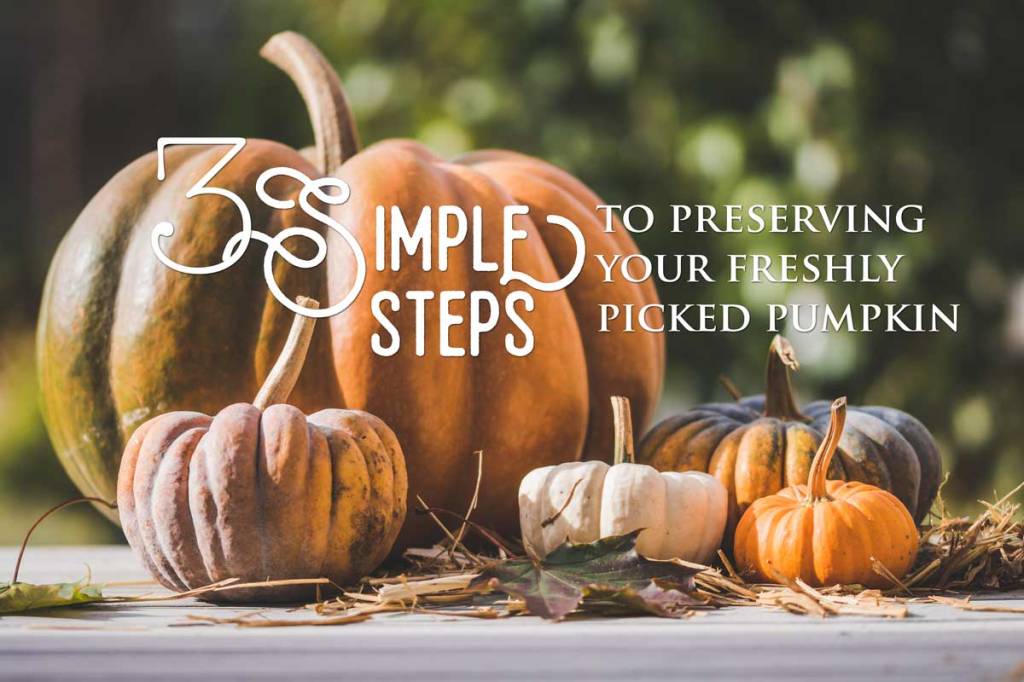
3 simple steps to help your decorative fresh pumpkins last longer

There are some fantastic faux pumpkins you can find at the craft store these days, but there’s nothing quite like having a fresh pumpkin for the front porch. If you’re heading out to your local pumpkin patch to pick out the perfect pumpkin, be sure to pick up three additional items from the store to help preserve your pumpkin (if you don’t have these already): bleach, dish soap and matte paint spray sealer.

Photo by Monstera from Pexels

When you return home with your freshly harvested pumpkin, before placing your treasure on the front porch, do this:

  1. In a large sink or tub, prepare a mixture of bleach, water and dish soap: one (1) gallon of water, 2 tablespoons bleach, and a two drops of dish soap. Soak the pumpkin(s) in the mixture for 15-30 minutes.
  2. Next, rinse the pumpkin(s) with cool water and dry completely.
  3. After the pumpkins have dried all the way around them, take outside and give it a coat of spray matte sealer which will help preserve them even longer!
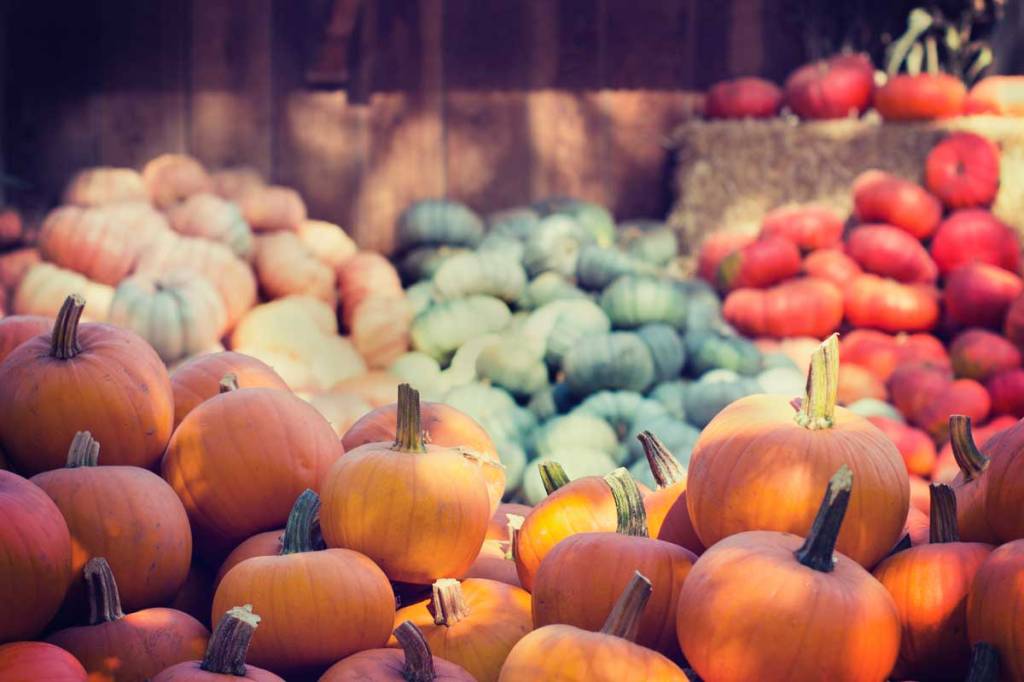
Pumpkin patch at local farm ready for guests to pick out the "perfect pumpkin" for their front porch.
Photo by Tim Mossholder from Pexels

Have fun picking out your pumpkins! And be sure to share pics of your pumpkins with us on social media! Tag us at #gyhg or #growyourhealthgardening on Instagram, Gab, Google My Business, or Facebook.

Poem: “A Package of Seeds” by Edgar A. Guest

In his poem (below), “A Package of Seeds,” Edgar A. Guest captures how easily we take for granted the amazing life force within a simple seed. He highlights how seeds are “a miracle of life” — a power that no one person here on this earth can create.

We at Grow Your Health Gardening stress the importance of every step in preserving the life of the seed we grow whether we are harvesting or collecting seeds, or patiently drying, handling, storing, or transporting the seeds we grow. We think it is essential to keep in mind at all times that inside each seed is not only a dormant baby plant but contains encased in this tiny capsule called a seed, intricate code that carries on the next generation of nourishing food perfectly fit for our body. And it is continually amazing to me that this seed already has everything it needs to grow the moment it is given the opportunity.

The healthier the plant while it lives without succumbing to pest, disease or chemicals from the environment, the stronger the code of its DNA. The more the plant is adapted to it’s growing environment, the stronger the code of its DNA. The more care in watching how much a seed experiences moisture and temperature fluctuations while in storage, the healthier the seedling which leads to stronger code of its DNA. Russel H. Conwell understood the importance of starting with good seed when he said, “I ask not for a larger garden, but for finer seeds.

I ask not for a larger garden, but for finer seeds. —Russell H. Conwell (1843-1925)

Finer seeds… What is the value of good health? I say it begins and ends with finer seeds. We should not take for granted good organically grown seed that will nourish our body. It should be treasured.

It’s amazing how much inflation has affected the price of seed lately, but still in the greater scheme of things, seed is still effectively quite inexpensive compared to ready-to-purchase produce. As I came across this poem today while doing some research I thought it was a good time to pause and just remind myself what an amazing gift these plants are to our body. And by the way… here in zone 7B, it’s time to plant poppies and pansies! 😉 What one thing will you do today to grow your health gardening?

Cheers! — Erin


“A Package of Seeds”

Edgar A. Guest, Poet who wrote poem “A Package of Seeds”.

I paid a dime for a package of seeds
And the clerk tossed them out with a flip.
“We’ve got ‘em assorted for every man’s needs,”
He said with a smile on his lip.“
Pansies and poppies and asters and peas!
Ten cents a package and pick as you please!” 

Now seeds are just dimes to the man in the store
And dimes are the things he needs;
And I’ve been to buy them in seasons before,
But have thought of them merely as seeds.
But it flashed through my mind as I took them this time“
You have purchased a miracle here for a dime!” 

“You’ve a dime’s worth of power no man can create,
You’ve a dime’s worth of life in your hand!
You’ve a dime’s worth of mystery, destiny, fate,
Which the wisest cannot understand.
In this bright little package, now isn’t it odd?
You’ve a dime’s worth of something known only to God. 

—Edgar Albert Guest
Poet (1881–1959)
British Born and American Immigrant who was often referred to in his time as the “The Poet of the People”. He published more than twenty volumes of poetry and was thought to have written over 11,000 poems.

Source:

  1. https://poets.org/poet/edgar-guest

Tips for Hydroponic, Aquaponic, and Soil-based Gardening Methods