All posts by Grow Your Health Gardening Owner & Certified Hydroponic Grower

growyourhealthgardening.com store.growyourhealthgardening.com erincastillo.towergarden.com erincastillo.juiceplus.com pcosbites.com

Grow What You Know: Planning your upcoming Tower Garden

New to growing your own food in a Tower Garden? First off, kudos on your decision to take control of your own health and it all starts at the foundational level of the food we put into our body.  It actually can go even deeper than that… it all starts with the parent plant that made the seed that we collect and then grow and then harvest to put into our body.  But I digress…

When considering what to put into your Tower Garden, there are certain vegetables and herbs that grow well together. I have grouped these plants based on shared PPM (parts per million) values. You will need a PPM meter to measure what your water’s PPM is with the nutrient solution added.

When determining our list below, we look for areas where PPM levels share common ground (see blue vertical bars to highlight overlapping plant PPMs)… Note: this PPM reference chart is available in full for all our Tower Garden and hydroponic clients, but here’s a little snippet:

PPM Chart for Hydroponics Tower Garden

Note that some plants can tolerate higher levels of nutrients than mentioned here as these are ideal ranges for growth. You’ll know when a plant is getting too high a level when the edges of the leaves get a brown tint (called tip burn). Otherwise, know that these plant groupings are going to grow together fairly well at certain PPMs and that you can push some of the plants that are below the PPM level to the next level up in some cases…

  • based on the PPM of 775 and a pH of around 6.0, you could grow these plants together using the Tower Tonic Minerals Formula Parts A&B:
    Arugula, Artichoke, Basil, Calendula (petals of flower are edible), Cilantro/Coriander, Dandelion (leaves edible & root used in tea), Fennel, Lavender, Lemon Balm, Menarda (Bee Balm), Mustard Greens, Nasturtiums (leaves & flower are edible + plant deters some insects)Oregano, Pansies (flower petals are edible), Parsley, Rosemary, Sage, Thyme, Violas (petals of flower are edible)Watercress.
  • based on the PPM of 1000 and a pH of around 6.0, you could grow these plants together using the Tower Tonic Minerals Formula Parts A&B
    Artichoke, Basil, Chives, Fennel, Kale, Leek, Lemon Balm, Menarda (Bee Balm), Mustard Greens, Oregano, Parsley, Peas, Rosemary, Sage, Thyme, Watercress
    (Lettuce/Romaine may grow in this range as well, just watch for tip burn on the leaves — some varieties may tolerate the PPM level)
  • based on the PPM of 1265 and a pH of 6.0, you could grow these plants together using the Tower Tonic Minerals Formula Parts A&B:
    Artichoke, Beetroot, Bok Choy, Broad Bean (Fava Bean), Carnation (2′ tall, but petals of flower are edible), Cauliflower, Celery, Chives, Cucumber, Kale, Leek, Marjoram, Menarda (Bee Balm), Mustard Greens, Parsley, Peas, Purslane, Pumpkin, Spinach, Summer Squash, Strawberries and Swiss Chard, Turnip Greens, Water Cress, Watermelon, ZucchiniTower Garden Beginner Plants
  • based on the PPM of 1490 and a pH of around 6.5, you could grow these plants together using the Tower Tonic Minerals Formula Parts A&B:
    Beans, Beetroot, Bok Choy, Broad Bean (Fava Bean), Celery, Eggplant, Endive/Chicory, Chives, Cucumber, Kale, Melon, Mint, Okra, Hot Peppers or Sweet Bell Peppers (Note: Planting both near each other may result in cross-pollination if outdoors and open-pollinated by bees and your sweet peppers can get a bit of heat in the flavor department. If growing indoors and hand pollinating blooms, you should be fine.), Purslane, Pumpkin, Spinach, Summer Squash, Strawberries, Swiss Chard, Tomatillo, Tomato, Turnip Greens, Watermelon, Zucchini

    Remember to put larger plants like kale and those that vine like peas, cucumber, and nasturtiums towards the bottom and you’ll need a support next to the Tower Garden where the vines can continue to grow out and fruit. Taller plants go towards the top (like Celery and Rainbow Swiss Chard).Salad Tower Garden Tower Planting SchematicPlanting Schematic for Chef Tower Garden
  • based on the PPM of 1990 and a pH of around 6.5, you could grow these plants together using the Tower Tonic Minerals Formula Parts A&B:
    Beans, Beetroot, Broccoli, Brussels Sprouts, Cabbage, Dill, Hot Peppers, Sweet Bell Peppers, Tomatillo, TomatoKeep in mind that your squashes, watermelons, tomatillos, and tomatoes are going to be heavy “feeders” meaning they will drink up water and nutrients during the hotter summer days.

Kid Friendly Plants to Put in Tower Garden

Okay, so now you have an idea of what plants have similar growing PPM characteristics. Select one PPM group based on vegetables and herbs you like to use every day!

Assorted Green SaladKeep in mind that for most of us, lettuce has to travel quite a ways if you’re purchasing it from a big box store especially. 70%+ of all romaine is grown in Salinas, California. That means that romaine has to travel roughly 3,000 miles to get to my plate here in Atlanta, Georgia. They say on average it takes 10 days for a harvested romaine to get from the farm to our dinner plate! This is unacceptable! Especially since we know from industry studies that due to respiration rates of plants, nutrient availability decreases within the first 24-48 hours! That translates into you losing out nutritionally on the very purpose of eating that salad! So, with that in mind, simply starting by growing greens is a great place to start. I also like greens because of they mature in 4-6 weeks meaning you get to see your success (and enjoy the fruit of your efforts) earlier rather than later.

The other thing to consider regarding a salad is the number of varieties you have probably never tried because the grocery store only carries 3-4 options. I have found that some of my best salads incorporate a variety of greens and textures. Have fun exploring greens you’ve never tried before — you might find you really like them fresh off of your Tower Garden. I had always shy’d away from Bok Choy in the grocery store because it looked limp and lifeless, but when I grew it in the Tower Garden it was super tasty and I learned that I could keep harvesting for 2 months until the plant flowered. Now it’s something I always plan on growing because it can be added to soups, quinoa, and salads.

If doing a greens selection to grow on your Tower Garden, I like to recommend my clients include a nasturtium on the lower part of their Tower Garden because a) you can eat both the leaves and the flower, b) most people have never tasted a nasturtium because they are not found readily in the grocery store and most often found on the fine diner’s plate, c) they are so pretty to look at on your tower and d) they are companion plants meaning they are good to grow next to other plants to help deter certain pests… When planted alongside cucumbers. eggplant, tomatoes, or squash plants, nasturtiums may repel cucumber beetles, whiteflies, aphids and squash bugs. There are other edible flowers in this range that would be fun to explore if you’re willing to be adventurous.

If you decide to do a vining crop with a higher PPM, keep in mind space (tip: put a trellis next to where the plant’s port is and it can grow off to the side. These vining plants are often water hogs and love the sun, so plan accordingly for anything planted above them — those plants will also need to be heat tolerant. I always recommend including a flowering plant as it will attract pollinators and pollinators (aka: bees) will plump up your fruit and leave your flowering plants in a better state than how they found it.

CC03128C-B0D7-4148-BC1E-A8C7B454653DTomatoes are the most popular thing to grow. Ideally, you’ll want to look for varieties that have compact traits, but if you do have room next to your outdoor Tower Garden, make sure you can handle the growth habit on a trellis. My favorite tomato is an heirloom variety, Cherokee Purple, and it’s vining can reach up to 10′ or more if it’s given the nutrients it loves. (And BOY do they taste AMAZING!!!!) Cherry Tomato varieties are going to be prolific, so plan a space to support their growing needs to you have airflow and are able to easily keep pests from moving in on your crop.

Tip: If you are putting large vining plants in the lower ports of your Tower Garden. Plant to the left, right and on the back side leaving the front port open. (You may want to cover that port with a rubber disc like this.) The reason for leaving the front port unplanted is you need access to your water reservoir opening and some vines take over and make it difficult to reach it.

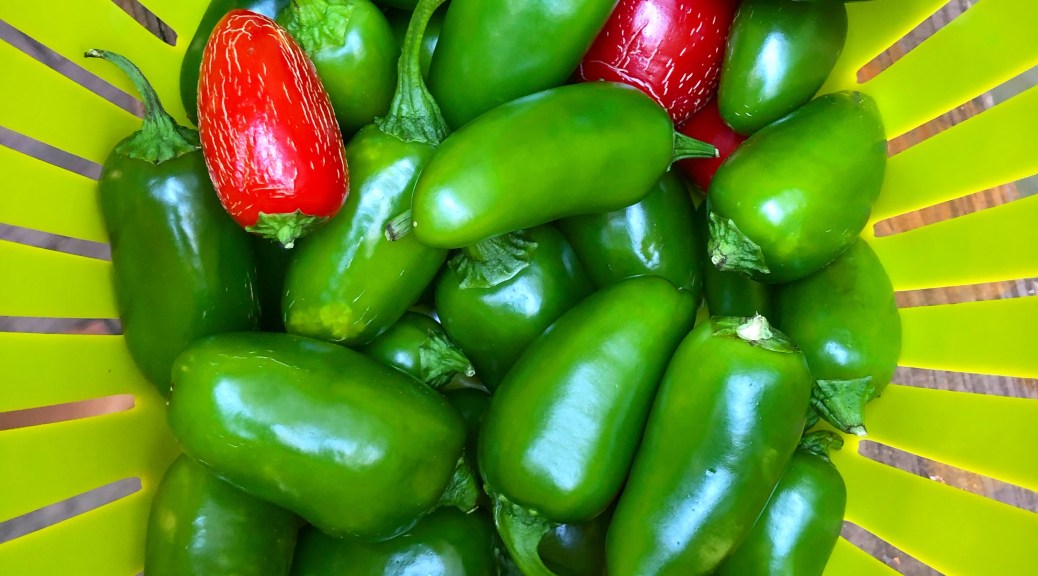
Bowl of Jalapeño Peppers Hydroponically Grown

And my last thing to highlight is the pepper — remember that if you are growing outdoors and have hot peppers and sweet peppers both growing in your Tower Garden, you may get some cross-pollination through open-pollination and your sweet peppers might be hotter than their parent plants. It’s a good idea to just pick either hot peppers or sweet peppers if growing outdoors. Now if you’re growing indoors under lights, you can plant both hot and sweet in the same system in ports on opposite side of the Tower Garden because you will have to self-pollinate your flower buds anyway (turn a fan on to give your tower a light breeze or hand-pollinate with a toothbrush or paintbrush).

This should get your started. If you’re looking for Seed Providers, you can check out our article here.

Happy Planning!

— Erin

PS: If you want a printable version of the information above to print off and to use as a reference in your garden journal, simply click here: Growing by Common PPMs.

If you have found this information to be helpful, we appreciate any donation large or small to continue our research and to keep GrowYourHealthGardening.com available as a continued resource. Thank you!

Donate via Venmo

Our Son’s Journey Becoming a Master Gardener

I wanted this space here on Grow Your Health Gardening to be focused on how to grow food for the gardening novice, but today I wanted to pause and just reflect on something (or should I say someone) that is near and dear to my heart.

Last night, our family attended a beautiful catered banquet through our local County Extension Office Master Gardener Organization where our oldest son, Joshua, received his official Master Gardener Certificate and official name badge. He is the youngest Master Gardener in our county of 164,044 people (at the time of writing this post.) It was definitely a proud moment for me, his Mama, having watched him grow (pun intended) over the years in his passion and skills.

Joshua receiving his Master Gardener Certification

Of my five children, Joshua is the one that noticed me saving a seed every now and then. Soon, I was finding other seeds next to my collection and now he is a better seed saver than I am! He gets it. He understands that within that seed is life and the potential to keep giving life-giving food to others he loves.

I sometimes call him “Farmer Josh” out of love because he loves to play in the dirt and grow things. We come from a long line of wheat farmers. Joshua’s middle name is fitting, because he is actually named after his Great Grandfather who was a dry land wheat farmer. (Growing wheat definitely isn’t Joshua’s future because we learned he was allergic to wheat dust one year while helping out with the harvest.) Every summer, my family would help bring in the wheat harvest. My grandmother had a large garden and instilled in me from a young age the value of a garden. My parents continued to teach me through growing our own family garden for years and then the busyness of life demanded the need for convenience over preparedness and the garden fell to the wayside and eventually our plot of dirt became grass and then a garage was built over the location.

copyright 2020 Erin Castillo
Our boys in the wheat field as 2 year olds during harvest. Joshua is pictured on the left and Jason is pictured on the right.

When my twins were three years old, my husband got a consulting job in the Southeast, and we moved 3,000 miles across country to Atlanta, Georgia. Our soil profile changed from grey-ash-like soil to red dirt full of clay. I would put rich compost down into my garden beds only to find them return to hard clay by fall. My growing mojo had come to a screeching halt. (I would later learn what to do to re-build the soil profile thanks to new friends made in Georgia and other Master Gardeners.)

Feeling discouraged, I kept thinking there had to be a better way. That’s when I stumbled across a video of a guy on YouTube who was growing tomatoes hydroponically in Bato Buckets. I was fascinated by his methodology and soon I was pouring myself into any resource I could find about how to grow food hydroponically. It was also about this time, that my oldest two sons were studying the difference between human cells and plant cell structures. Since we were homeschooling, I decided to dive deeper into teaching them more about plant biology (botany) and together we were going to learn about hydroponics and how to grow food. My husband helped me guide the boys in building a Bato Bucket system like the one I saw on YouTube and I went down to my local nursery and bought 10 different tomato plants and we transplanted them into our new system. The boys would monitor the pH level and nutrient level of the plants and write down observations. It was a lab of sorts for us to learn from and boy did we learn!

The following year, my husband had a heart attack. It was then that I realized we were not doing enough about eating wholesome vegetables. In my research the previous years, I had narrowed my next hydroponic system to two options. But when our need became more urgent, I knew I didn’t want a DIY system — I needed something out of the box that would just work. (My last DIY system cost as much as the one out of the box.)  He agreed to getting three Tower Gardens by JuicePlus+. Here was our first year’s crop (pictured below).

9996B4F9-1DC7-4CC4-95E9-269B7B12AF98

I was amazed at how easy it was to fit it into my busy lifestyle. No weeding. No effort to build up soil. No nematodes to eat my crop. No irrigation system to monitor or standing there day in and day out to water plants for a half hour while our water bill took a hit. I would just watch the reservoir every week and check pH and nutrients — it was right up my alley. I needed low-maintanence gardening. Joshua dove in with me and helped monitor the growing system as well.

7230F528-A8DE-4B1E-B00B-42E324602593

I also learned of our local Master Gardener program through our Extension Office that shared space with 4H. I took the kids to any free program they had to offer on growing things or even one was on bee keeping. In fact, Joshua won the door prize at one of these meetings and he and my youngest son walked away with some free plants! It was around this time (I think Joshua’s Junior year) that I turned to him and planted the seed-thought of him becoming a Master Gardener. He had the time now to make that happen and then could use the skills he learned for the rest of his life instead of waiting to the end of his life when he retired to enjoy it. He was excited by the thought of that idea and inquired only to find that you had to be 18. He wouldn’t be able to do it as his senior year project. But he didn’t give up on the goal.  He applied for the Master Gardener program that was to begin around the time of his 18th birthday.

908C0205-974C-404D-8426-DCE1736A5E5E

What probably many don’t know is that during this time, our family went through a difficult time. My mother, who lived 3,000 miles away, needed help getting through a situation she found herself in and I had to leave for several weeks to help her. This unfortunately coincided with Joshua starting his Master Gardener training. He took an Uber each day and paid $20 out of his own pocket to get to his classes until other arrangements could be made on his behalf.

One of the great things that I love about the Master Gardener program is the wisdom of those who are involved. I’ve tried to teach my children to reach out to those with grey hair as they are a library of untapped resources. Joshua was blessed to have these amazing individuals come along side him and help him. They loved him because with his youth brought much needed muscles! lol I really wish there could be more young people involved because they are missing out on such a great resource. I want to see what can be done to bring these two groups of people together.

1C7A7BC7-4352-4F17-88D0-44CFBD04E776

Joshua juggled working his required 50-hours of volunteer hours around with working a job. I saw him increasingly frustrated when he would miss a Master Gardener meeting (often held during the day) because he had to work. But it showed me what he truly enjoyed. Thankfully, he came to realization himself and asked if he could work for me and help me instead of continue in the electrical program he was pursuing. I really needed his help knowing that my own goals included the possibility of growing our crops to the point where we could take it to the local farmer’s market to sell. So here we are today, working on our upcoming growing season and it is such a joy to work alongside my son. He’s smart and helps things get done when I don’t have the bandwidth to get to it. Currently, he’s helping me clear some land to do an herb garden installation. He is put in charge of his younger siblings who help him clear out ivy that has overrun the space we plan to utilize. He also is good at cleaning out Tower Gardens and sanitizing them (as well as our cutting tools). We hope to also propagate some of the beautiful resources on our property to sell at the upcoming Master Gardener event this spring. And his favorite thing to grow indoors — orchids!

Joshua Master Gardener

So, last night’s award dinner was truly special and I felt so proud of him for pursuing what he loved. And I feel so blessed to be his Mama and thankful that we have something in common to share over the years. I am praying for Joshua and that the Lord will continue to direct his steps as one day he will have his own family to provide for (and possibly me in my old age, Lord willing!)

Thanks for letting me share from my heart. And if I can encourage any of you with children… learn together! You don’t have to have all the answers or be an expert to be qualified to teach a child. It’s through the process of learning together about something that your children will come to understand that anything is possible to learn about if you just pursue it.

Happy Growing —

Erin

PS: If you ever read this post, Joshua, know that I am proud of you and can’t wait to see what you do next! Never stop dreaming and learning! Love you, Mom


How to Test Germination Rates in Seeds … Did our six year old lettuce seeds germinate?

Seed germination rate testThis Black Seeded Simpson seed was packaged in 2014 and we just did a germination test. We placed on a wet paper towel under bright light (lettuce needs light to germinate) at 70°F for 24 hours, covered in darkness overnight and found germination! Six-year-old lettuce seed properly stored germinated! It amazes me the life that is contained in one little seed.

Doing a quick germination test like this prior to ordering seed can save you the hassle and money of purchasing new seed. To calculate your germination rate, take the number of seeds that germinated (evident by the radical root emerging from the seed casing) and divide by the total number of seeds you put in your tray — that will give you the germination rate of your seed.

Because I use rockwool for hydroponics, we can use seeds from this germination test and transfer them into wetted rockwool and continue to grow them in ideal seed started conditions (warming mat to 70°F and bright lights). No seed is wasted! This also helps me conserve my rockwool.

Germinated seed awaits going into rockwool

To transfer germinated seeds, I take a tweezer with (the kind with a flat edge) and clean them with rubbing alcohol and finish off with a quick rinse of water. I gently pick up each germinate seed with the tweezer and drop it into the hole of my rockwool making sure to not plant the seed too deep. General rule of thumb whether sowing soil or into another planting medium like rock wool is to plant seed as deep as it is wide. I sometimes use the plastic tip of my nearby plant marker to slide it off of the tweezer tip as we don’t want to crush the seed embryo (still inside seed casing). I also plant two seeds per rockwool cube (in case one doesn’t make it for some reason.) I can always thin out to one plant as the seed grows into a seedling.

If you want tips on how long seeds can last when properly stored, check out our handy guide here.

Happy Growing!
— Erin


PS: Food for thought… Jesus said you need only to have faith in Him — even if it’s as small as a mustard seed… Think of how much life is just within a little tiny seed. The giant redwood tree, for example, comes from something that is so tiny… if God can create a magnificent and awe-inspiring tree, how much MORE amazing and beautiful are you who is made in His own image.

Redwood Seeds Scale to a Dime giant-redwoods

“He told them another parable: “The kingdom of heaven is like a mustard seed, which a man took and planted in his field. Though it is the smallest of all seeds, yet when it grows, it is the largest of garden plants and becomes a tree, so that the birds come and perch in its branches.””
‭‭Matthew‬ ‭13:31-32‬ ‭NIV‬‬
https://www.bible.com/111/mat.13.31-32.niv


When Your Harvest Feeds Your Family

Frozen heirloom tomatoesIt’s on cold wintery days like this that homemade tomato soup hits the spot. These heirloom tomatoes were from our 2019 season. I was short on time the day this bag (and another bag like this) came off the hydroponic Bato Bucket system and so I just threw it in a gallon size freezer bag for the Instapot this winter. Feels great knowing it’s pure unadulterated good food for my family.

I have four sons and a daughter and we like to watch the History Channel television show called Alone. Today we rewatched the last episode of season one. As we paused to thank the Lord for His provisions, my 10-year-old blessed the meal and I had to grin when he referenced the last episode of Alone saying, “…and thank you, Lord, that we didn’t have to struggle to find food or eat any bugs or slugs today.” Indeed. We are so blessed to be able to grow our own food. And every year we do it, we get better at it and more efficient.

Learning to grow food started when I was a little girl, helping my grandma to pick beans and bring in what would be served at supper to the farm hands and our family. I remember snapping peas into threes and dropping them kerplunk-kerplunk-kerplunk into a metal bucket. It was in Grandma’s kitchen standing for hours canning cherries harvested from her pie cherry tree for her yummy homemade pies.

And my parents had a garden for a few years. I can remember planting long rows of strawberries and we would put a fish head in the hole, fill it with water, and then plant the strawberry plant in the middle of the hole gathering the earth around it and gently pressing the earth down. But they got so busy with both working that it was difficult to keep up with the garden. I remember on Saturdays I got stuck with the inside cleaning jobs while my brothers got to go out and weed the garden and mow the lawn. Eventually the garden became grass and the grass got covered when Dad’s garage was built.

In both situations, gardening was disguised as “work” to me as a child, but now, looking back, I see how it was instilling the value of self-reliance, the importance of growing food — at least until our family got caught up with eating out and running from event to event. Beware of the busyness of life…

Fast forward almost 17 years … It wasn’t until my children were being homeschooled that I realized I had taken my experiences and what knowledge I had in gardening for granted and that we all needed to be better at knowing how to grow food. I was curious about hydroponics because I was tired of fighting the Georgia clay, so we dove into learning about hydroponics together as a family while also covering biology of plants / botany. I learned so much about hydroponics that I wanted to keep going even after the kids had moved on to other subjects. And year after year, we continue to learn and grow. (Hence the name “Grow Your Health Gardening”.)  I’m proud that one of my sons has become the youngest Master Gardener in our county. He was my one child that watched me save a seed and began saving his own seeds. I love his passion!

So remember, it may look like work and seem like work, but it’s good work. And when you enjoy a meal eating the very fruit of your effort, well, it’s a great feeling.

Planning a garden does take some time and financial resources to get going, but just start with what you can manage and every year try one new thing. It doesn’t have to be perfect. Just start with what you already like to eat and

Tomorrow, I’ll post my heirloom line up for 2020 and more on why I chose them for those still planning their tomato 2020 season. 🍴👍

That’s all for tonight –

Erin

Seed Inventory | Seeds to Order Now to Start Soon

The key to tasty salads is incorporating a mix of lettuce varieties. The vertical hydroponic Tower Garden is perfect for packing in 28 plants within a 2.5′ square footprint. This article focuses on spring planting, but you could grow any of these plants year-round if you have purchased the light attachment for your Tower Garden keeping the indoor environment around 70ºF.

There are certain greens that do really well in colder weather and can grow in early spring after the danger of frost has passed. Here is zone 7b, we will be starting greens the first week of March to be ready to go outside the last week of March. (Will use a Weather Protection Blanket each night until Frost Date of April 12.) It’s better to not have to store seeds for longer than a year or two, so we tend to purchase from this seed provider (Seeds Now), because of the smaller quantities and lower prices. The lower cost of seeds also enables us to try more varieties to see what we like the best.
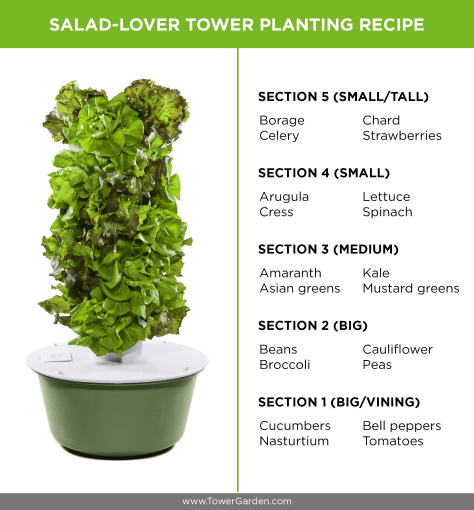
Salad Tower Garden Tower Planting Schematic

Here is a list of greens to inspire…  consider starting from seed soon!

  • Arugula – Classic Roquette Arugula by Seeds Now
    Arugula can usually be harvested as early as one month after planting. Arugula is an easy-to-grow green using any hydroponic setup you have.  The leaves of the Arugula plant add a tangy/peppery flavor to any meal. We recommend picking the outer leaves when plant is still young (leaves about 3″ long) and it will continue to grow throughout the season.
    Approx. 150 seeds for $1.99
    | order seeds |


  • Chives – GarlicGarlic Chives by Seed Now
    Also known as Garlic Chives.  A perennial plant that grows narrow, grass-like leaves that have a mild onion-like flavor. Chives are rich in vitamins A and C, contain trace amounts of sulfur, and are rich in calcium and iron. Used for many culinary creations. The plant will grow to about 12″ tall and is best suited for the top row of the Tower Garden. Once established, you can trim the entire bunch to about 3″ and the chives will regrow (cut and come again).
    Approx. 115 seeds for $1.99
    | order seeds |


  • Endive – Green CurledEndive by Seeds Now
    Endive is a healthy and delicious leafy green and produces dark green curly leaves with large tender crisp ribs. Excellent on salads and sandwiches. Rich in many vitamins and minerals, especially in folate and vitamins A and K, and is high in fiber. Extremely easy to grow using any hydroponic setup you have. Plant this variety all-year-round using hydroponics and grow lights.
    Approx. 100 seeds for $0.99
    | order seeds |


  • Kale – LacinatoKale-Lacinato-SN
    Old Italian heirloom, rather primitive open kale with blue-green strap leaves that are 3″ wide by 10-18″ long. Perfect for making Kale Chips! Extremely easy to grow using any hydroponic setup you have. The leaves of this extremely winter-hardy variety become sweeter after a hard frost or harvest leaves when young and tender. Delicious and tender when stir-fried or steamed.
    Approx. 55 seeds for $1.99
    | order seeds |


  • Kale – Red Russian Kale-Red-Russian-SN
    Stems are purple with deep gray-green leaves.   The plants mature medium-tall and leaves are tender compared to other kale varieties. Ideal for salads and light cooking.  Extremely easy to grow using any hydroponic setup you have.
    Approx. 50 seeds for $0.99
    | order seeds |


  • Lettuce – All Year Round All Year Round Variety of Lettuce
    As its name suggests, this is a lettuce that can be gown throughout the year. In even some of the the coldest areas across the country, this variety can be grown with some protection with a cloche or cold frame in the cooler months.
    Approx. 200 seeds for $1.99
    | order seeds |


  • Lettuce – Gourmet/Mesclun MixGourmet Mesclun Mix Lettuce
    A mixture of favorite lettuce seed varieties from across the spectrum of lettuce types.  Plant heavy and start harvest early for young for baby greens then allow some to grow on for plenty of variety for salads.  A great way to get a lot out of little space.  Perfect for container gardening.
    Approx. 200 seeds for $1.99
    order seeds |


  • Lettuce – Romaine, ClassicLettuce-Romaine-Classic-SN
    Large, upright, full-bodied heads with dark-green, slightly savoyed leaves that are mild and sweet. Plant reaches about 10 inches tall. Midribs are crunchy and juicy.  Because of their higher chlorophyll content, romaine lettuces are among the most nutritious of all lettuces.
    Approx. 135 seeds for $1.99
    | order seeds |


  • Lettuce – Salad Bowl, GreenLettuce-Salad-Bowl-Green-SN
    The Green Salad Bowl Mix is a really easy-to-grow lettuce variety. Extremely flavorful green leafs. Continues to grow as picked. As outer leaves are picked, inner leaves keep growing. Excellent addition for salads and garnishes. A great variety for many gourmet chefs around the world.
    Approx. 150 seeds for $1.99
    | order seeds |


  • Lettuce – Salad Bowl, RedLettuce-Salad-Bowl-Red-SN
    The Red Salad Bowl Mix is a really easy-to-grow lettuce variety. Extremely flavorful red leafs. Continues to grow as picked. As outer leaves are picked, inner leaves keep growing. Excellent addition for salads and garnishes. A great variety for many gourmet chefs around the world.
    Approx. 150 seeds for $1.99
    | order seeds |


  • Lettuce – Little Gem Lettuce-Little-Gem-SN
    Crisp & refreshing lettuce variety.  Sweet and crunchy. The leaves of this particular lettuce makes it idea for use in wraps and hors d’oeuvres. Easy to grow in compact spaces and smaller containers. A great variety for many gourmet chefs around the world.
    Approx. 200 seeds for $0.99
    order seeds |


  • Corn Salad (Mache), DutchCorn Salad Mache Dutch
    Corn Salad has a delicate flavor, similar to a butterhead lettuce. It is quite hardy and requires very little care while remaining practically free of pests & disease. Corn salad is also known for growing vigorously in almost any soil!  We think Corn Salad tastes best right out of the garden with a light drizzle of olive oil and a squeeze of fresh lemon. Once you try this cold-hardy green, you’ll be sure to make it a staple in your fall/winter gardens every year.
    Approx. 200 seeds for $0.99
    order seeds |


  • Swiss Chard – Hot Pink Swiss-Chard-Hot-Pink-seed-SN
    The Pink Swiss Chard produces excellent yields of dark green shiny leaves with magenta/hot pink stalks and veins. Excellent for salads, juicing, and/or steamed with others greens. Extremely healthy and easy to grow.
    Approx. 25 seeds for $0.99
    | order seeds |


  • Swiss Chard – Gourmet RainbowSwiss-Chard-Rainbow-Mix-SN
    A heirloom variety from Australia. The Rainbow Swiss Chard is a popular plant that  produces some of the most amazing looking swiss chard leaves in shades of red, orange, purple, yellow, and white. Perfect for salads or steamed greens. One of this years most popular varieties to grow. Extremely healthy.
    Approx. 25 seeds for $1.99
    | order seeds |


  • Purslane, Green (herb)Purslane Herb for Salads
    Used in salads and can be cooked like spinach, purslane has a lemony-twang. Remove leaves from stalk and toss into your salad. Purslane contains more omega 3 fatty acids than any other plant source in the solar system, and an extraordinary amount for a plant, some 8.5 mg for every gram of weight.  It has vitamin A, B, C and E. In fact, it has six times more E than spinach! It also has seven times of beta carotene than carrots as well as contains magnesium, calcium, potassium, folate, lithium, iron and is 2.5% protein. You should grow this plant and toss it into your salads! Some even sauté it with onion and chili (green) and scrambled eggs.
    Approx. 100 seeds for $1.99
    | order seeds|


  • Radicchio, Red ClassicRadicchio Red Endive
    Used in salads radicchio grows from orange to grapefruit size and easy to peel, the smooth, crisp leaves to offer a bitter flavor with a hint of spice. 

    Approx. 100 seeds for $1.99
    | order seeds|


  • Don’t forget to have plant markers/labels on hand as well!
    Pack of 10 for $0.99
    Pack of 100 for $8.99
    Use drop down option on ordering page to select quantity desired.
    | order labels/markers |


Happy planning and be sure to show us your yummy salad creations in 4-6 weeks when you’re enjoying them by tagging us at #GYHG!

— Erin


New to ordering from Seeds Now?
Click to get an exclusive
Grow Your Health Gardening
discount code!

01-17-15-12-19-46_XQHZQFUH2BGGZPAEO4Q7O2

February Tower To-Dos | 10 things you need to be checking inventory on right now

February Things to Be Doing with your Tower Garden

Now is the time to take inventory of what you will need for the outdoor growing season ahead using the hydroponic (technically aeroponic) Tower Garden by JuicePlus+. Below are 10 things you need to take inventory of before you start seeds for your spring crop outdoors. Feel free to reach out in the comments below if you have any questions! Happy Planning!

— Erin


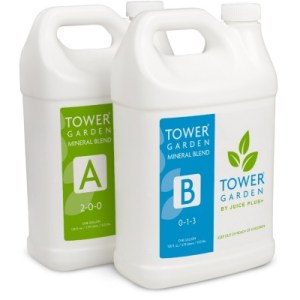
Tower Garden Mineral Blend A and B
Tower Garden Mineral Blend

Specially designed for Tower Garden’s soilless, aeroponic system, Tower Garden Mineral Blend supports superior plant growth and enhanced nutrition from your homegrown vegetables, herbs, fruits and flowers. We ship Mineral Blend with each Tower Garden Growing System. But we offer more for whenever your initial supply runs out. Ships quick leaving JuicePlus+ warehouse in 1 biz day.

order now >


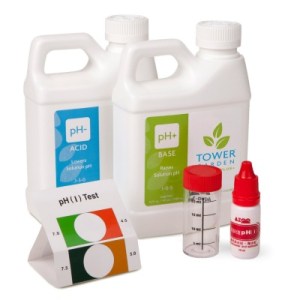
pH up and pH down kit for Tower Garden

pH Up/Down

Ensuring proper balance of your Tower Garden nutrient solution is simple with this easy-to-use pH kit. A pH kit comes with your Tower Garden Growing System. But there are replacement kits, should you need one including purchasing pH up and pH down separately. Ships quick leaving JuicePlus+ warehouse in 1 biz day.

order now >


pH and Temperature Meter

PPM (Parts Per Million) Meter


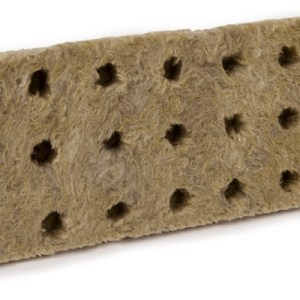
rockwool-juiceplus


Rock Wool

Made from eco-friendly rock fiber, these soilless seed starter cubes provide plant roots with oxygen and consistent moisture, encouraging rapid, healthy growth. Ships quick leaving JuicePlus+ warehouse in 1 biz day.

order now >


net-pots-tower-garden

Net Pots

Net pots hold rockwool cubes in Tower Garden’s growing ports. Though we ship net pots with every Tower Garden Growing System and can be cleaned and reused multiple times, you may need to purchase more after multiple growing seasons. Ideal for plants with larger roots. Ships quick leaving JuicePlus+ warehouse in 1 biz day.

order now >


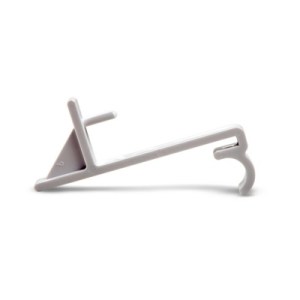
Tower Garden Clip for Easy Removal of Plants
Tower Garden Growing Clips

Plant and harvest your Tower Garden quickly and easily with these reusable Net Pot alternatives. Just like Net Pots, Growing Clips hold plants in place while allowing their roots to grow freely inside your Tower Garden. The difference is that Growing Clips (and the plants they hold) may be removed with less effort. You would use these instead of Net Pots. Works fantastic on microgreen extension. Ships quick leaving JuicePlus+ warehouse in typically 1 biz day.

Note: Tower Garden Growing Clips are designed for leafy greens and herbs. They are not suitable for flowering plants with large root systems, such as tomatoes and squash. For these plants, you should use Net Pots instead.

order now >


Seed

Some of our favorite seed providers for you to consider:

Order now >


TowerGarden by JuicePlus Weather Protection Blanket
Weather Protection Blanket

Extend your growing season (jumpstart it be 2-3 weeks in the spring and extend it 2-3 weeks in the fall) and protect your plants from overnight frosts in cooler months and midday heat stress in warmer months with this recyclable UV-resistant Weather Protection Blanket made from metalized HDPE. Has grommets for securing it to your Tower Garden. Ships quick leaving JuicePlus+ warehouse in typically 1 biz day.

order now >


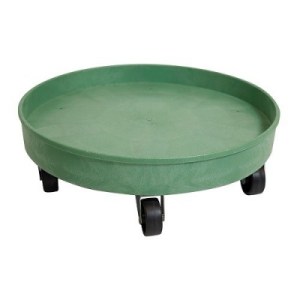
Tower Garden FLEX Rolling Base
Tower Garden FLEX Rolling Dolly Base

Didn’t order a rolling base when you first purchased your Tower Garden and realize now that it would more convenient to have one, you can purchase any time. Tower Garden FLEX on a dolly is also an effective way to reduce the heat transferred from the ground in hot weather. Ships quick leaving JuicePlus+ warehouse in typically 1 biz day.

1 rolling Tower Garden FLEX Dolly Base: $90 (price includes shipping) 

order now >


365/7 Indoor Hydroponic Gardening Means Fresh Bok Choy to start the New Year!

I never used to eat Bok Choy. Never.

I didn’t even know for sure how to pronounce it, let alone how to eat it. It can be even confusing in how you spell it’s name. If you see two main references: Pak choi and bok choy — don’t be alarmed… they are the one and same plant and considered part of the mustard family. Normally these plants are a bit smaller Chinese cabbage with leafy, green leaves and white stalks that have a bit of a crunch but not as stiff as celery — sort of the texture of water cress. Pak choi or bok choy, mostly grows in Asian regions like the Philippines, China, and Vietnam.

Have you seen it in the grocery store? That’s where I first noticed it and also the very reason I never tried it. Whenever I would see it in the grocery store it would be floppy limp — ewe. Gross.

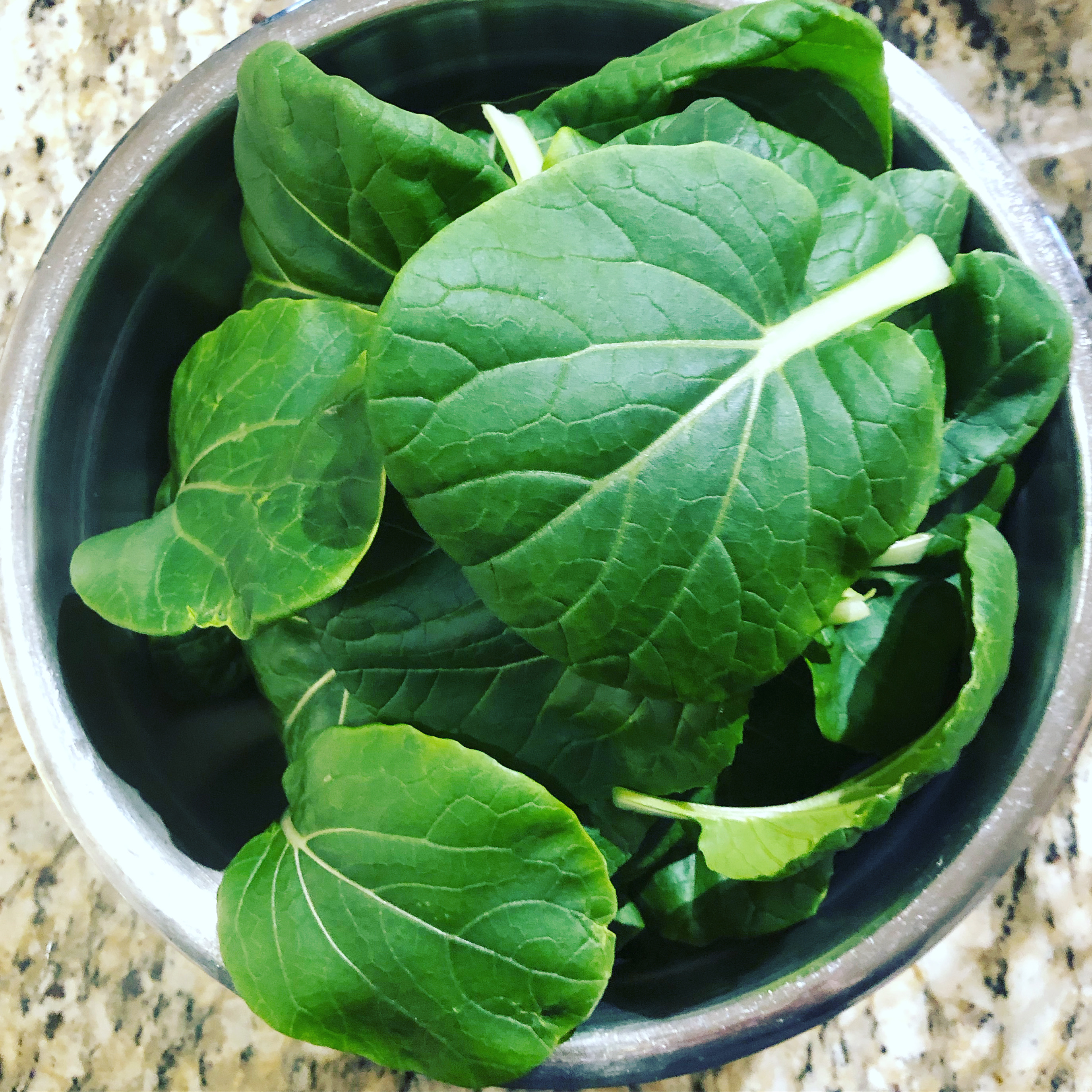
But every year, I commit myself to learning how to grow at least one new plant and a couple of years ago, Bok Choy was the one that I determined to tackle growing in my vertical garden Tower Garden hydroponic growing system (what is this?). When I actually tasted this plant straight off of the Tower Garden at it’s peak… well I fell in love with it as my new green go-to. This plant wasn’t meant to travel for days and days and sit on a grocery store shelf — it’s meant to be eaten freshly harvested.

Why I love to grow these cute little plants…

  • They grow fast. I’m a girl that likes to see some success from my efforts and these little bundles of green goodness are ready to start harvesting in 4-6 weeks.
  • You don’t harvest them like they harvest Bok Choy for feeding the masses. You’re missing out on this prolific little plant that produces leave after leaf from the center. All you have to do is continue to harvest the outer leaves and maintain the center three leaves for continual growth (about a 6-8 week continual growth with multiple harvests from the same plant). When the plant grows a bloom you know your harvest period has ended and you can swap out the plant for a new seedling waiting in the wings to go into your hydroponic growing system.
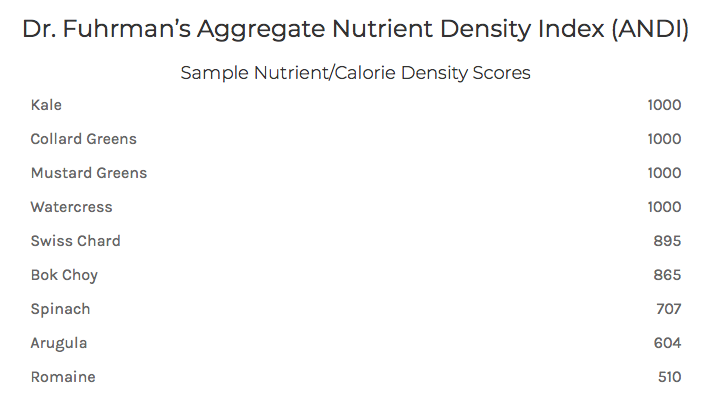
  • Did you know that Bok Choy ranks sixth on the Aggregate Nutrient Density Index (ANDI) for fruits and vegetables and is considered one of the world’s healthiest foods? I especially like that it is full of beneficial antioxidants and fights inflammation in the body.  DRI/DV from this plant include: vitamin K (64% DRI/DV), vitamin C (59% DRI/DV), vitamin A (40%),  folate (17%), calcium (16%), vitamin B6 (16%), and potassium (13%).
  • And I love how the leaves curl down and out a bit — sort of reminds me of a little bridal bouquet.
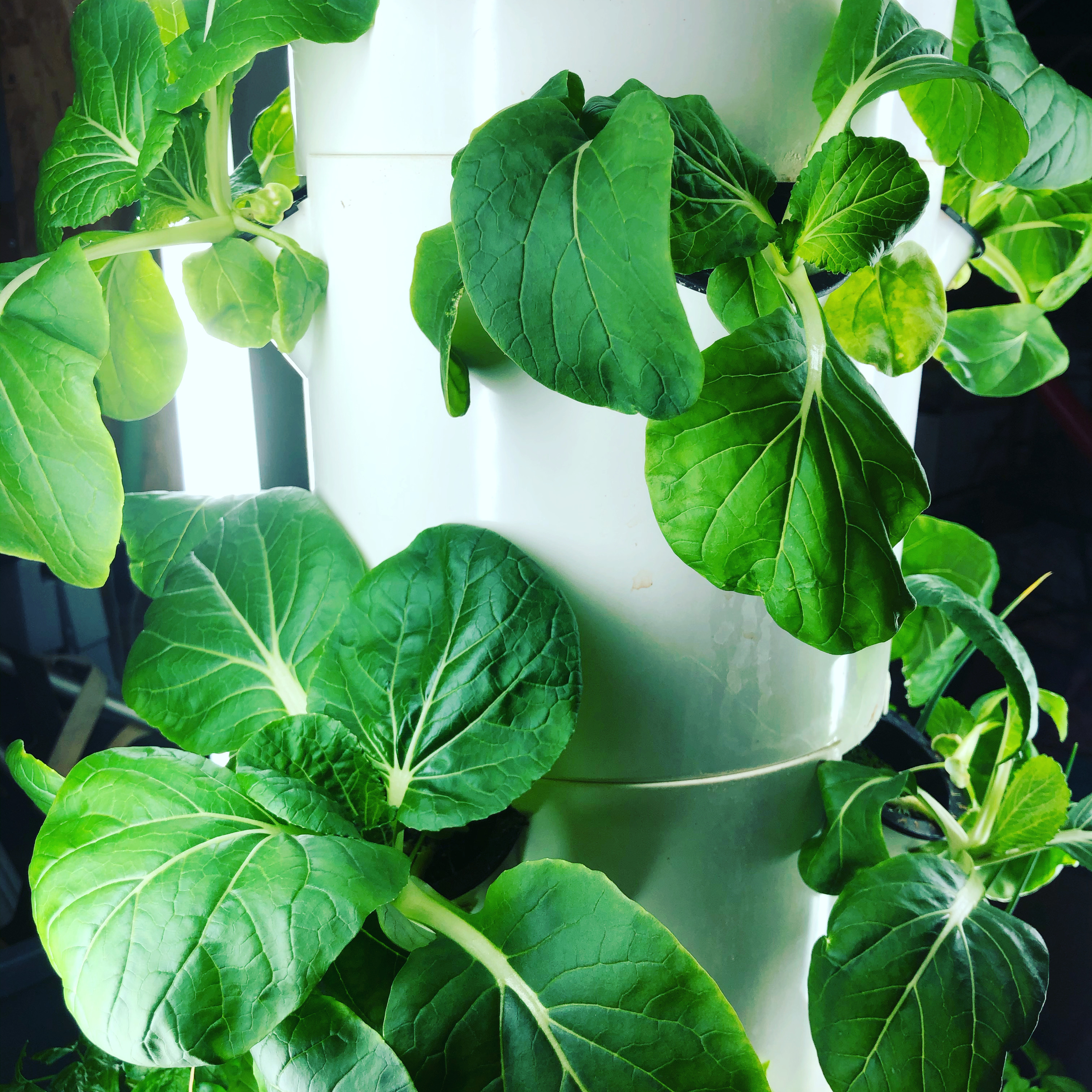
hydroponic-bok-choy-tower-garden

Varieties to try:

  • Purple Lady Bok Choy from RareSeeds.com is a beautiful plant and chock-full of antioxidants with it’s purple leaves and my new favorite Bok Choy to grow. (Remember half the fun of growing your own food is trying new vegetables you can’t find at your local supermarket!)
  • White Stem Bok Choy from our GYHG Seed Company (our own exclusive line of hydroponic-adapted seed that we grow here on our land) are a great starting point. If you want to try it without committing to a lot of seed to save, this is a great option (plant shown above and link to find seeds below).
4D43AF4C-279E-423A-A651-7AC573D88CC6.jpeg

Things to know as you grow Bok Choy / Pak Choi…

  • SEED STARTING: I typically see seeds germinate within 48-72 hours if using seeds from the previous growing season. I plant into rock wool and here are the conditions I recommend:
Seed Starting Guidelines for Bok Choy or Pak Choy
  • PLANTING TIMING: Transplant Bok Choy / Pak Choi starts outdoors into your Tower Garden hydroponic growing system as close to your freeze date as possible. You may want to add a water heater like this one for any freeze warnings and have a lightweight weather protection blanket specifically designed to fit a Tower Garden with one extension and have it on the ready to put over the seedlings should you get an unforeseen late freeze warning.  To find the local last frost date for your area, I like this resource (less ads than the Farmer’s Almanac web site.)

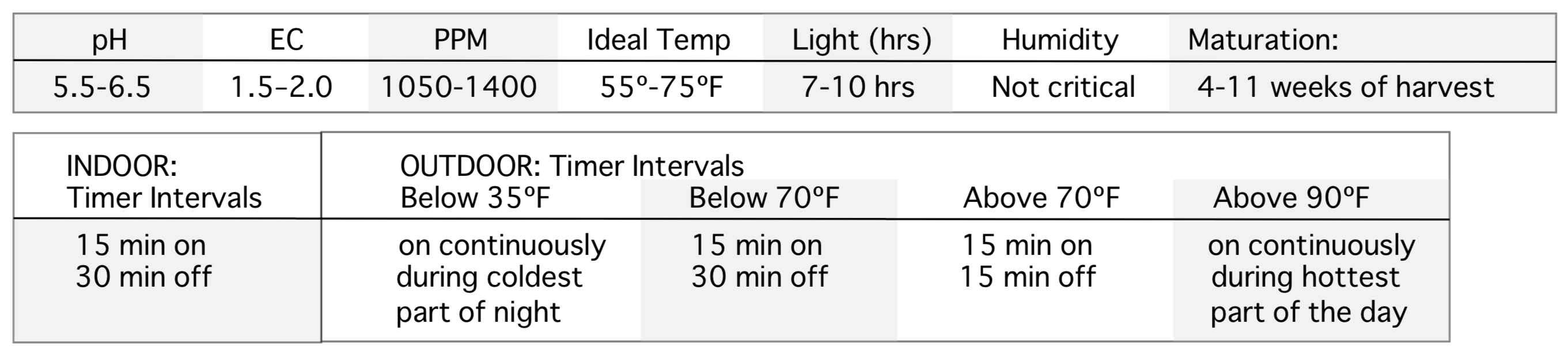
Ideal Tower Garden Hydroponic Growing Conditions for Bok Choy:

Tower Garden Hydroponic Growing Conditions for Bok Choy Pak Choy

Hydroponic Growing Conditions:

  • TEMP: Like cabbage, this plant likes to grow at 55ºF-76ºF temperature meaning it’s a spring or fall plant or grow indoors. Avoid the hot summers.
  • LIGHT: They tend to like 7-10 hours of light, so if you’re growing them indoors, don’t push them with extra light hours, it may actually end up slowing their growth.
  • PPM/EC: 1050-1400 ppm and 1.5-2.0 EC.  I recommend using Tower Tonic for a well-rounded supply of minerals that will benefit you nutritionally when the plant is harvested. I use this meter and keep it in the PPM range of around 1200.
  • pH: Keep plants in a pH range of 5.5-6.5. I use this pH meter and this pH up and pH down to maintain the range. (Remember, plants need to be in ideal pH range for uptake of nutrients / minerals to occur.)
  • Air movement is always a good idea with any plants you are growing, but we are not looking for windy air circulation, just a slight breeze or moving air in the room.
  • Final Tip: When growing hydroponically indoors, your timer will need to be set to 15 min on and 30 minutes off. If you want to keep this plant happy, add an aerator to your reservoir. It likes to have oxygenated water—a little more than just the aeroponic benefits that typically the Tower Garden provides on most occasions. (If you’re running your Tower Garden continuously outdoors during the day, you can skip the aerator.)

Pests and Diseases to be on the lookout for while growing Pak Choi:

  • PESTS: Aphids like this plant as well, so plant marigolds and petunias in the area (may even put some pots at the base of your Tower Garden) and do spot checks periodically on the stems and under those bodaciously beautiful green leaves. If you see aphids moving in, rub your thumb across the plant henceforth squashing them. You can follow-up with a spray treatment of Neem Oil. Once you get aphids, if you don’t eradicate them quickly, they will multiply every three days and may take your entire crop so heed my warning and spot check every day or so under those leaves and towards the base of the plant.

How I incorporate Bok Choy / Pak Choi into my meals for nutritional benefit…

  • Dice up quinoa and add it to your cooked quinoa
  • I love it in the wonderful Coconut Chicken Bok Choy Soup that warms your tummy and satisfies — my husband claims it’s better than the one he eats at the local Thai place in Atlanta! (Whoop whoop!)
  • Instead of going for traditional lettuce, put on top of your next homemade burger to add some crunch and nutritional benefit
  • Dice and throw it on top of chickpea salad for added “crunch”
  • Add to any super-food smoothie for a power-packed nutritional drink on the go
hydroponic-bok-choy-garden-fresh

Our Exclusive Bok Choy / Pak Choi Cheat Sheet and Seed Organizer
(Great for your seed stash organization and quick reference)

Get Bok Choy Recipes

Sources:
World’s Healthiest Foods
Late Start? Grow these fast plants
• 13 Greens That Will Forever Change the Way You Think About Salads
Purchase White Stem Bok Choi Seeds

Ready for the coming frost? Learn 3 ways to extend your Hydroponic Growing Season

Are you ready for cooler temps? We’ve had a long stretch of heat in the Southeast, but cooler breezes have finally arrived! Hooray! 

Now is the time to think about your plants’ needs as the weather cools. We will go over what to do with your plant’s root zone in a future post, but right now it’s time to think about the foliage of your plants and how to protect them from the coming damaging affects of frost.

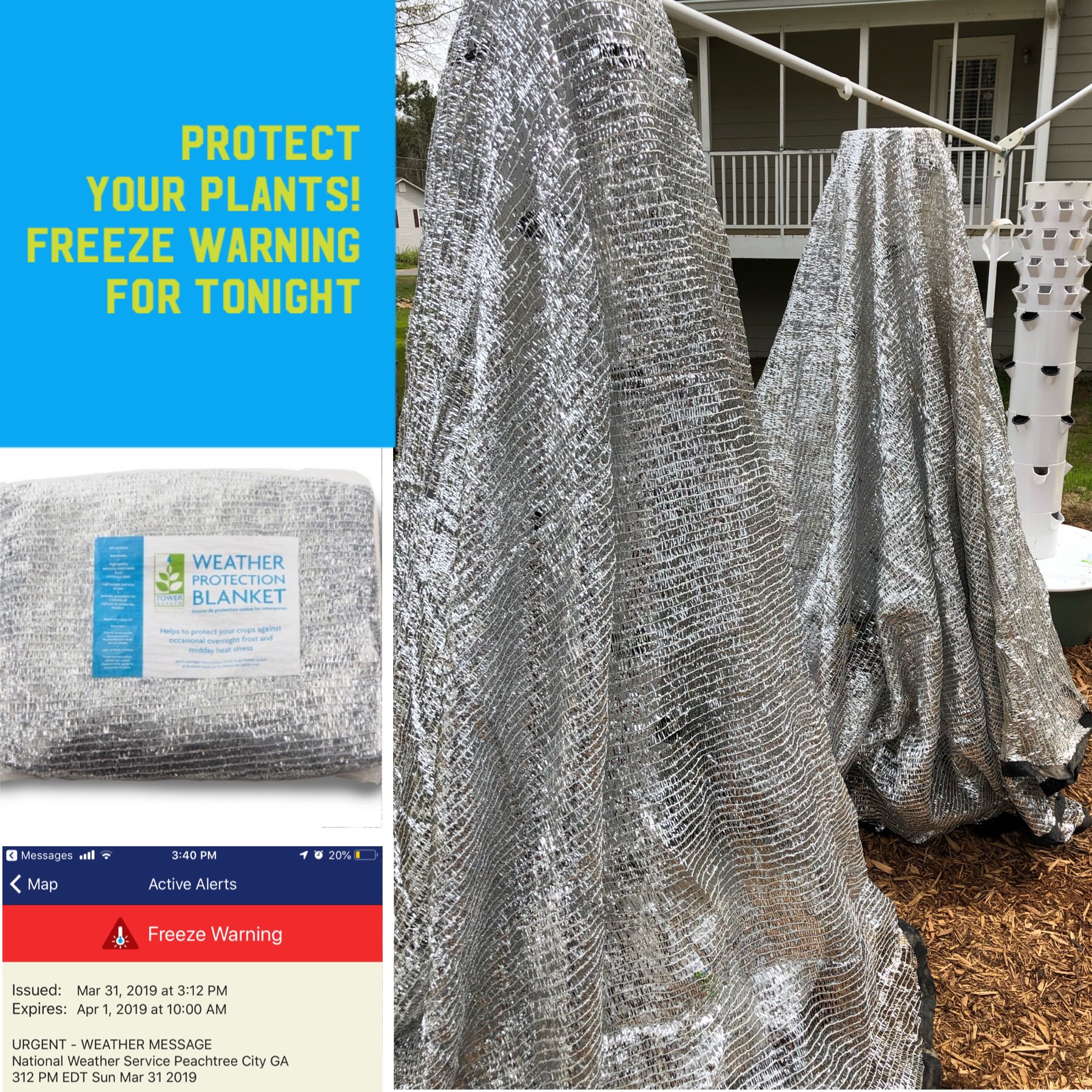
There are three ways to deal with frost: a) you can roll your TG indoors (like into a garage) when a frost warning occurs, b) you can purchase the lights that affix to the top of your TG and grow indoors 24/7 through the rest of the cooler seasons ahead, or c) get a Tower Garden Weather Protection Blanket. We are going to cover the cheapest option first: The Weather Protection Blanket.

The Tower Garden Weather Protection Blanket is made with metalized HDPE making it light weight and flexible to cover your entire Tower Garden containing all your vegetables and herbs. It will work to protect your plants as long as the temps stay above ~60°F during the day. The Weather Protection Blanket will extend your growing season, but at some point, the cooler temps during the day will impact the plants ability to flourish and your growing season outdoors will come to an end for the year.

Tower Garden by JuicePlus Weather Protection Blanket Erin Castillo

Watch your weather app for updates on any frost warnings and when they occur, put your Weather Protection Blanket over your TG for the night. Remove the Weather Protection blanket in the morning after all frost danger has passed. This extends your growing season. (The Weather Protection Blanket can also protect your crop from the UV rays that come with extreme heat.)

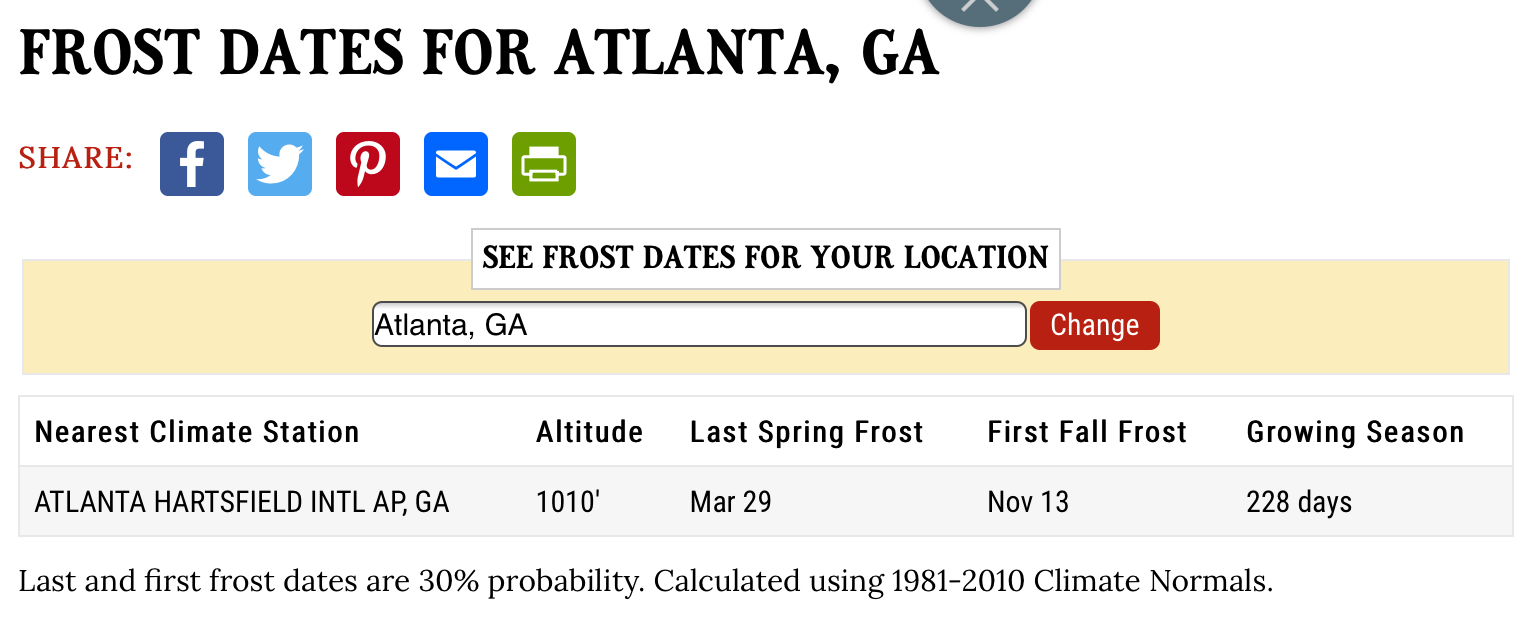
The below photo from NOAA shows anticipated early frost dates for Georgia. The Old Farmer’s Almanac expects November 13 to have a 30% chance of frost this year for the Atlanta region. Each winter, on average, your risk of frost is from October 24 – April 12. Almost certainly, however, you will receive frost from November 7 – March 30. You are almost guaranteed that you will not get frost from April 24 – October 10. Your frost-free growing season is typically around 195 days.

44A5472F-923E-4B0A-B466-FBC944738F0FF2FFDC36-3052-4CC2-9993-66BD79EB73D5

To order a Weather Protection Blanket, (lighter weight and less likely to damage delicate plant leaves than a regular blanket) visit https://erincastillo.towergarden.com/shop/weather-protection-blanket

TowerGarden by JuicePlus Weather Protection Blanket
To order a rolling base that fits your Tower Garden like a glove, visit https://erincastillo.towergarden.com/shop/dolly

TowerGarden by JuicePlus Rolling Dolly
To grow indoors 24/7 through the cooler months (October through April) using a flexible indoor grow light, visit https://erincastillo.towergarden.com/shop/indoor-grow-lights

Tower Garden by JuicePlus UV Indoor Lights

TowerGarden by JuicePlus+ ships quickly and typically delivers with 5 working days.

How to process your Hydroponic Jalapeños Harvest (say that fast 7 times) & more importantly… How to Fix a Jalapeño Pepper Burn!

The jalapeños are coming on strong with the harvest right now on the hydroponic Tower Garden by JuicePlus+, so naturally I’m finding ways to take advantage of this bounty with three recipes in mind: jalapeño jelly, candied jalapeños, and good ol’ pickled jalapeños. (Spoiler alert: fav’ recipe links at the end of this post.)

You should be eating Jalapeño Peppers — home grown Jalapeños… 

Jalapeños are a good source of fiber, vitamin C, vitamin E, vitamin K, and vitamin B6 and common consumption of jalapeños may reduce cholesterol, triglycerides and platelet aggregation and partially improved liver damage due to the properties of capsaicin (the spicy part of the jalapeño). (You can read more about the study here.)

Be forewarned….

1AA04F66-6630-4C2F-94D0-999163D87288

As I went to slice and dice my jalapeños, the thought crossed my mind to put on some gloves, but since I didn’t feel anything as I was cutting the jalapeños, I ignored the thought and kept right on processing my crop — processing it without gloves on. I rinsed the cuttings in a sieve and proceeded to wash my hands and that’s when I began to feel the heat on my finger tips. Within 15 minutes my fingers felt like little flames had been lit. You guessed it — I had a jalapeño pepper burn on my left hand. Over the course of the evening I tried seemingly everything… scrubbing with soap and hot water, soaking in cold greek yogurt (which did feel soothing at first believe it or not), Biofreeze, pain meds, lavender essential oil, coconut oil, more scrubbing with hot water and soap followed by my black salve… no relief.

So at the stroke of midnight, as I’m laying in bed with my hand in the air hoping to catch a bit of breeze from the ceiling fan and contemplating my options in how to endure pain, my husband and I decide to do one more internet search for ideas to remove the oil from the recesses of my skin cells. I clumsily type one-handed into my phone’s internet search, “How long will jalapeño burns last?” Answer seemingly comes back in article after article that I could be suffering for several weeks if not a month! Aaaccckkk! And then I found Kendra’s post from newlifeonahomestead.com and sharing how she treated her jalapeño pepper burn. Her story seemed to match mine in trying everything the internet threw her way, but she found a solution that worked. And I shrugged my shoulders, looked at my husband and said, “Why not? Let’s try it.” So he went to the fridge and brought me… yellow mustard.

What I found to end all Jalapeño Pepper burn misery...

That’s right. Yellow mustard. We lathered it on like my fingers were hot dogs celebrating the Fourth of July. And the cold condiment felt amazing! Immediate relief! Like ice water hitting hot burning coals. I left the lather of yellow goodness on there (with a few more squirts of reapplication) for a good 35 minutes and then rinsed off with cold water. Were my fingers a little yellow? Yes. Was I in excruciating pain? Praise God, no. So I trotted off to bed.

How to treat jalapeño pepper burn on hand

Lesson #1: Never ever ever ever ever ever ever ever cut jalapeños without wearing protective food grade gloves. Gloves should be worn while handling hot peppers and make sure you definitely don’t touch your eyes, nose, and mouth areas with your hands if they’ve come into contact with the Capsicum oil from Jalapeño Peppers.

Lesson #2: If by chance you do encounter jalapeño’s Capsicum oil — reach for your handy-dandy yellow mustard.

01925BF2-B2AD-4D50-B324-BE12EBCC0EAB

And my jalapeños that I grew on my Tower Garden? They taste AMAZING! A million times better than anything I’ve found in the grocery store.

Remember, if you eat a pepper that is too hot, don’t drink water or milk to try to extinguish the spicy flames. Liquid only spreads the heat around. Instead, it is recommended to eat some sugar or honey and/or something starchy, such as bread, crackers or potatoes.

C24EFCDA-6B04-4E04-B122-7AED93A1272A.jpeg

How to grow Jalapeño Peppers hydroponically…

Here’s what jalapeño peppers need to succeed in the Tower Garden or similar hydroponic system (like a bato bucket).

EC/PPM: 3.0-3.5 EC / 2100-2450 PPM

pH: 6.0 – 6.5

Temperature: Hot peppers grow best in daytime air temperatures 65° to 80°F (18-26°C) and night temperatures above 55°F /13°C (nighttime temperatures between 60° and 70° are best). In addition, daytime temperatures above 90º F inhibits fruit formation, but fruiting will happen once temperatures drop back below 90º. If growing into the Fall, be sure to have a weather protection blanket on hand for evenings that have freeze warnings.

Light: 10 – 12 hours daily (outdoors). If growing indoors, the grow lights should be for flowering plants and placed 6 to 8 inches over the pepper plants. Any closer could cause scorching, any further away and the plants will not get the full benefit of the light. As the plants mature, adjust the height of the lights to maintain the 6-8 inch distance. (It is important to note that the Tower Garden lights are not rated for growing flowering plants according to the Tower Garden Juice Plus+ website, so if growing Jalapeño Peppers on the Tower Garden, grow them outside in full sun.)

Days to Harvest: Transplants will begin to bear ripe fruit in 70 to 85 days, depending on cultivar. 70 days Green; 93 days Red Ripe.

Other helpful tips to note:

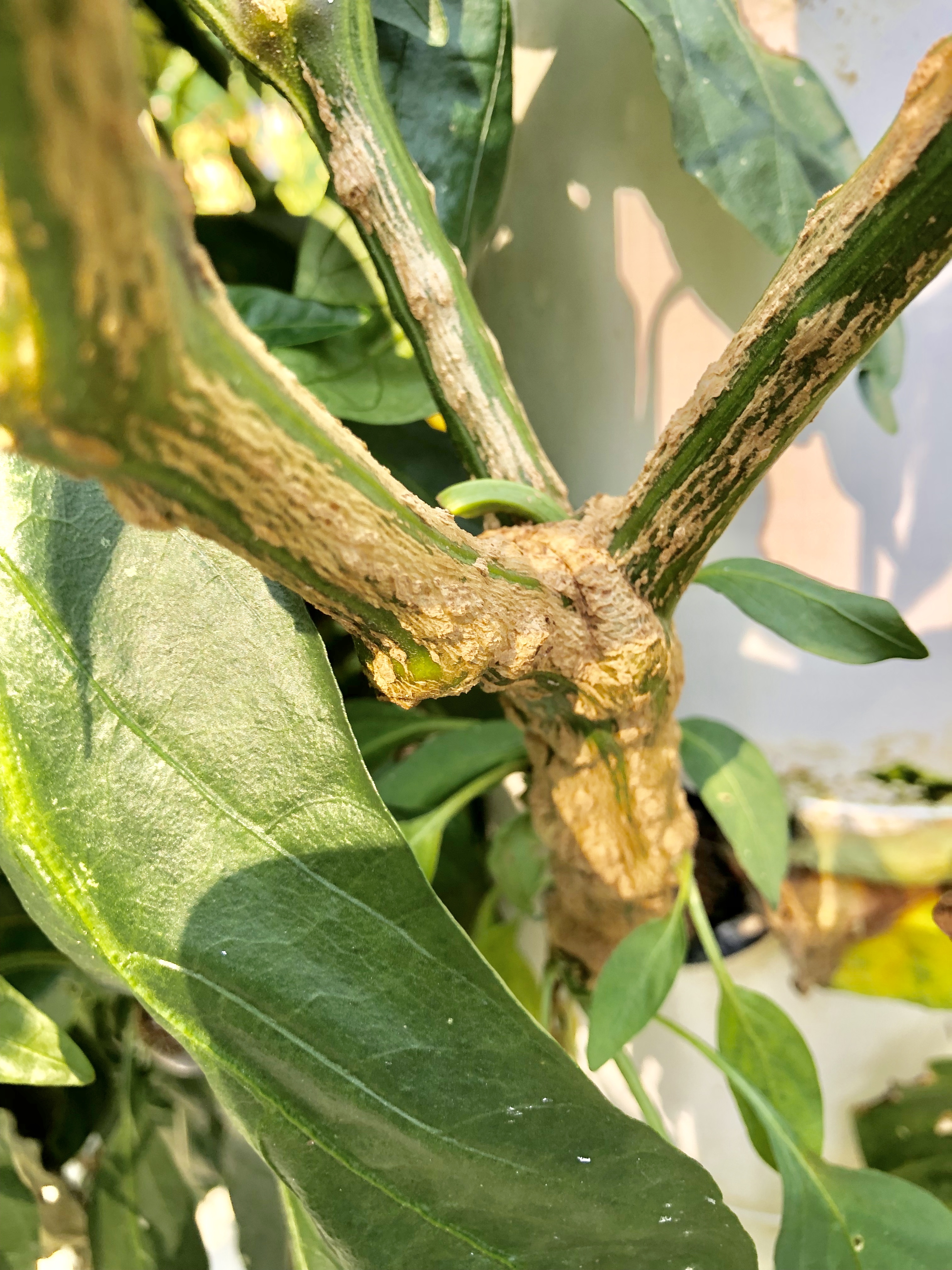
  • Jalapeño Pepper plants will need support. The Tower Garden‘s support cage will work perfectly for holding up these plants. Plant them on the lower three tiers of your hydroponic vertical Tower Garden as they will grow to about 3′ in height (remember, things grow faster and typically bigger in a hydroponic system because you’re giving the plant everything it needs to thrive.)
  • Peppers don’t continue to ripen well off the plant (like tomatoes), so harvest when they are ready and process immediately if possible.
  • Peppers can be kept in the refrigerator, but avoid moisture. Avoid washing the peppers before refrigerating them, and dry them if they have dew or water from the irrigation system. Store them in a paper towel towards the top of the refrigerator.
  • Bacterial Spot: Bacterial spot can be seed borne. Purchase seed from a reputable source like Johnny’s Seeds or Seeds Now (100% Heirloom/Non-Hybrid/Non-GMO). Johnny’s pepper seed lots are tested for bacterial spot.
  • If planting for a fall crop in the Atlanta, Georgia (zone 7) region, the following are average freeze dates:
    Earliest Occurrence Latest Occurrence Average
    October 11, 1906 December 18, 1998 November 13

    Plant between the dates of August 1 and August 15 to ensure a fall harvest. Cover your Tower Garden with a weather protection blanket should there be a freeze warning.

  • Growing in soil? Here are some additional tips.

85993BB8-9E18-4C43-AA78-1537FACCA4DA.jpeg

Even with a thick stalk like this, they still need support.

5D801D53-B296-4B11-A419-4BFF18868BF5.jpeg

FCDE30FE-848D-4013-9BDC-01B468CF8690

In summary…

Grow jalapeños for their health benefits, but be prepared when it comes to processing these little gems of nutrition as they can cause serious jalapeño pepper burns on your hands if you don’t wear gloves.

Here are a few recipes I’ve personally tried. Maybe you and your family will enjoy them as well:

Enjoy!

— Erin


Recipe | Trio Heirloom Summer Salsa

Serve this refreshing, light salsa with quesadillas or devour with a side of chips! See if you can stop eating it! So so good!