“The best food in the world starts in the garden and ends on your plate, perhaps after a comfortingly stop in a well-stocked pantry or freezer. It never knows the back of a truck or the inside of a factory, and it holds no chemical or genetic secrets. Eating it feels comfortable and good.”
What is it about growing and preserving your own food that makes it worth the time and trouble? Here are 18 common traits we’ve observed of pantry gardeners… See how many you can identify with!
You want to know exactly what’s in the food you’re eating and feeding those you love. You have been educated in the effects of chemicals on foods and understand you can’t always simply “wash off” the pesticides. Everything that comes into contact with the commercially grown plant and soil is taken up by the plant affecting the nutrition as soils wane and become poorer with every season of use.
You understand that “organic” still means pesticides may have been applied to the plant you’re about to eat and “some” pesticides is still too much. You want to feel confident that the food you eat and feed to your family is the best clean nutritious food you can find.
You understand that plants grown for the grocery store are grown for their transportability and shelf life, not for nutritional value or flavor as the primary goal. Growing your own produce from seed gives you the advantage of picking what you’re going to eat at its peak ripeness meaning it will have all the nutritional benefits you are desiring. Further, you can quickly process the plant at its peak by harvesting, cleaning, and processing it either to eat right away or put into long term storage. In either case, you’ll be locking in optimal nutrition for your body.
You understand that growing your own food is investing in your own personal health and the health of those you care for on a daily basis. The activity of gardening is good for your mind and body according to research and personal experience.
You don’t have a consumer mindset where you only buy and live in the moment… instead, you think about your future needs and make an effort to have something on hand in the event you cannot find what you enjoy eating. This mindset of thinking long-range not only gives you peace of mind that you have some food security when tough times come. Those of us that had grandparents that lived through the depression era, now understand why they took the time to plant a garden and can food. Food security can be empowering and peace-giving.
It feels good knowing that you won’t be the cause for more packaging and plastic to be thrown away. Eliminating the need to purchase items from the store means you are creating a smaller carbon footprint on the need to rely on packaged goods.
You have practiced persistence and are able to stick with a task over a period of time in order to achieve the end goal (often referred to as delayed gratification.) You know with a little bit of effort, consistently over time, you can achieve anything — including a stocked pantry full of nutritious food you have grown.
You understand that investing in the right tools to grow food upfront will have a savings effect over time. Your homegrown food will outpace inflation in savings — it will cost less than store bought food (especially if you’re using a hydroponic Tower Garden.)
You connect with family history through gardening and preserving teaching the next generation through example these simply lessons of healthy living. Maybe it’s making your grandmother’s apply pie or your mama’s fresh basil pesto — these foods have a strong connection to your past and good memories. In sharing that with your children, you pass along these gifts.
You know that home grown herbs that are dried immediately after harvesting out-surpass anything you can buy in the store when it comes to flavor and nutrients. Store bought seasonings sit on the shelf and lose flavonoids when they are crushed. By the time they are used in your cooking, the flavor has diminished. Drying your own herbs and keeping them in leaf form as much as possible keeps the flavonoids in tack and maintains a superior seasoning when you go to crush them and use them in your cooking.
You find that maintaining your own food supply helps to connect you more deeply to the earth and the seasons of life. Watching a plant grow from seed to harvest or even to produce seed to collect gives you a deeper connection to living life to the fullest as you appreciate the cycle of life.
You feel empowered to try something new and aren’t afraid to risk failing. You know that nothing is gained by not trying, so you’re willing to put yourself out there and explore new things in order to gain understanding.
You have a generous nature in that you freely share what you have grown and preserved either through sharing of a meal together or in helping out a neighbor or loved one when they are grieving or in need.
In selecting plants intentionally for their usefulness, you are able to gain the benefit of harvesting herbs in particular for medicinal uses to bolster your immune system. Homegrown herbs with medicinal benefits give one access to health care no matter your age or demographic.
In preparing items for your pantry, the time it takes to go to the store to purchase those items (as well as the cost associated with that grocery run) saves you time in making meals at home. You just walk over to the pantry shelf or go outside to the garden and “shop” from your own aisle.
You know the importance of being mindful of salt and sugar in your food as it affects your arteries and heart. Store-bought options and eating out expose you to higher than normal recommended levels of sodium and sugar. Plus, aluminum cans leech aluminum into contents (food) over time. Storing your own food puts you in control of how much salt or sugar is put into whatever you are preserving.
You like working smarter, not harder. If you have an indoor Tower Garden with grow lights, you have total freedom to grow food 3x bigger and 3x faster using 98% LESS water than traditional gardens 365 days a year indoors. You bask 24/7 in your ability to have food freedom no matter what the weather or pest pressure happens to be outside.
You are resourceful and don’t waste anything—you are the top recycler in your neighborhood. You know that some of the things we consume can be used to feed your soil and garden. The whole chicken you just ate can be used to make bone broth. The bones can be dried and then put into ACV (Apple Cider Vinegar) for four weeks to extract calcium for a shelf stable fertilizer that can then be added to water and used as a foliar spray or soil drench. Remove the bones from your ACV and re-dry the bones and they can be crushed down into a powder to add into your soil. No need to go out and buy bone meal or calcium spray. You literally can make your own fertilizers.
We have been making our own Sourdough Starter for some time now to use in making our own bread (and we use a Spelt Sourdough Starter in particular because Spelt is said to be easier on your digestion system. But that’s for another conversation.)
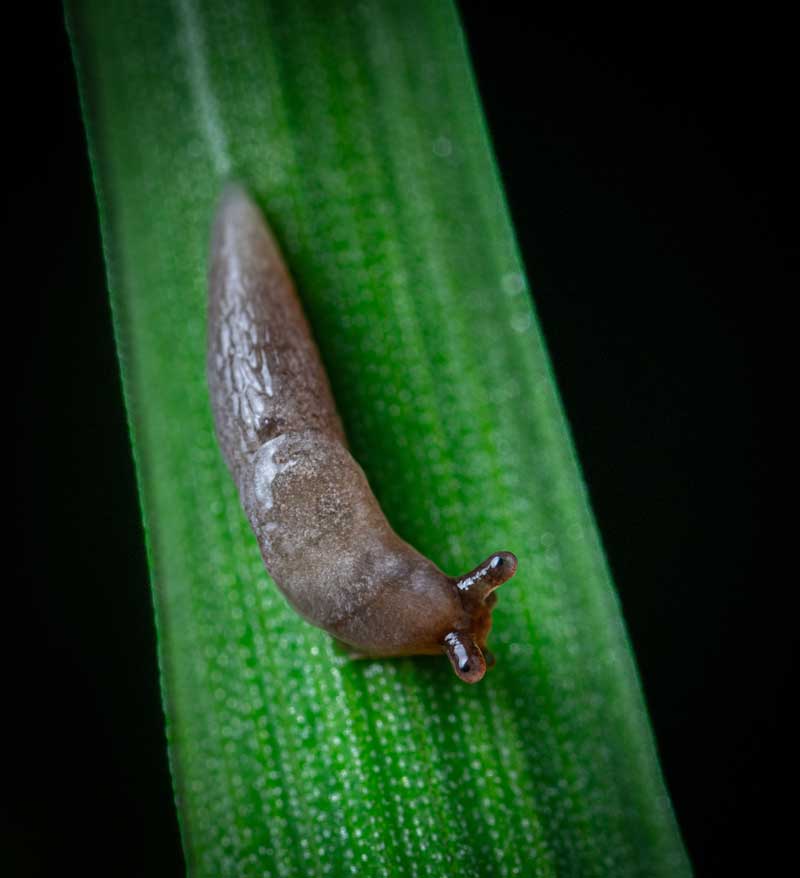
Exciting news (especially for any of your folks that like sustainable organic gardening)! There’s yet another use for our sourdough discard! Chemical-free, pesticide-free, and organic slug bait! Yes, you read that correctly. Sourdough starter discard can be used as an organic option for rounding up slugs and snails.
Recently, Oregon State University (OSU) researcher, Rory McDonnell, led a multi-institutional research collaboration and found that a simple mixture of flour, water and yeast (bread dough) attracts slugs and snails in droves.
McDonnell theorizes that it is the fermentation process that draws them in saying, “We gave them a choice of food and they consistently went for the bread dough. They really, really like it. They went bonkers for it. Bread dough outperformed everything (even better than beer).” In fact, in one instance, over 18,000 snails were trapped within 48-hours according to McDonnell! Research also revealed that it can be effective in the field in Oregon for at least 8 days if the bread dough is kept moist.
Don’t have sourdough starter discard? No problem! You can make your own slug and snail slurry any time using whatever flour you have on hand along with yeast and water. Here is the recipe McDonnell recommends:
500 g of All-Purpose Enriched Bleached Flour
500 mL of water
2 packets of Active Dry Yeast (0.25 oz packet size)
Note: You do not need to use any particular brand of flour or active dry yeast
Instructions: 1. Mix all three ingredients thoroughly until combined. (If you already have sourdough starter discard, simply feed your discard with equal amounts of water and flour to the weight of your discard and mix ingredients thoroughly.) 2. Apply dough directly to the ground leaving a little distance away from the plants you want to protect. Simply remove the slugs or snails as they arrive. 3. Alternatively, you can also sink a shallow container into the ground and add the bread dough / sourdough starter discard. If you add water to make it a bit more watery, they may simply drown and then you can toss the jar contents periodically, rinse out, and replace with fresh sourdough starter discard or bread dough.
McDonnell also suggests, “The dough works best when it is moist. If it dries out, it will not be as attractive, so in dry weather we stir the dough daily and then replace it if it starts to get dry.”
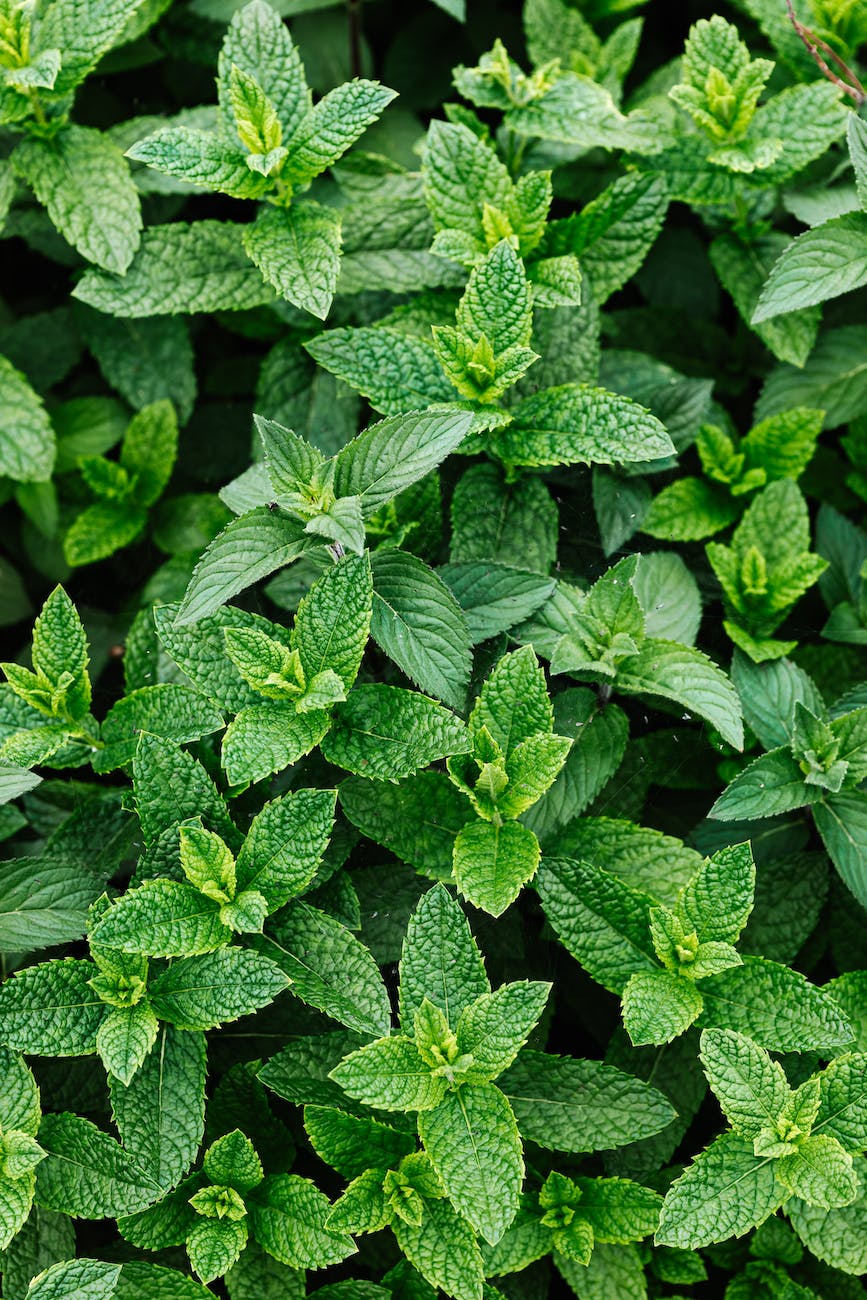
If you grow anything in the mint family, know that during wetter weather, snails and slugs will especially be attracted to these plants. Have a non-toxic slug or snail plan in place like bread dough.
Also, NASA spotted El Niño precursor from space (May 21, 2023) and says that in the Southern part of the United States we may see wetter weather more than usual. This is actually something I’ve been noticing in our own garden (and I’m totally enjoying this cooler spring) — the snails and slugs have been out in full-force.
I will be implementing this sustainable gardening practice bread dough tip from the OSU right away! Be sure to let us know in the comments below if you try it in your area and if it works for you.
PS: OSU has a slug portal (yes, I’m not making this up) if you want to learn more about the latest news on slug identification and management using sustainable practices. You can check that out here if you are interested. (Also great for any homeschoolers out there who want to learn more!) 😉
I’m scheduled to give a “Tomato Talk” to a local group of community members who are interested in growing their own tomatoes from seed in the next 10 days and in the process for preparing for this talk, I thought I’d do a little soil test for what makes for a strong seedling and share it with y’all as things grow so that you can grow your health through gardening and learn tips for what I learn along the way. 😉
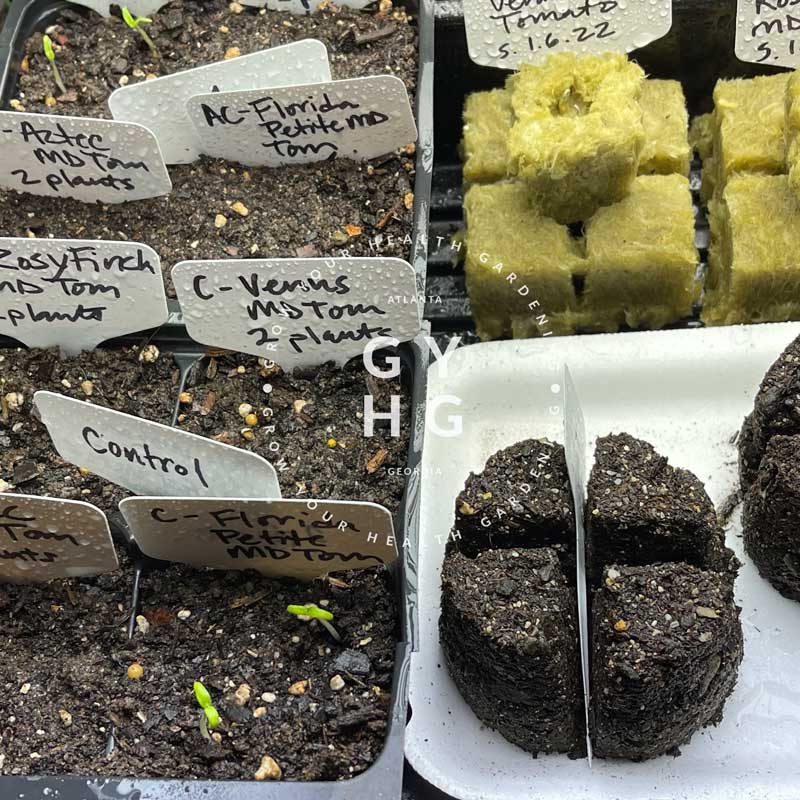
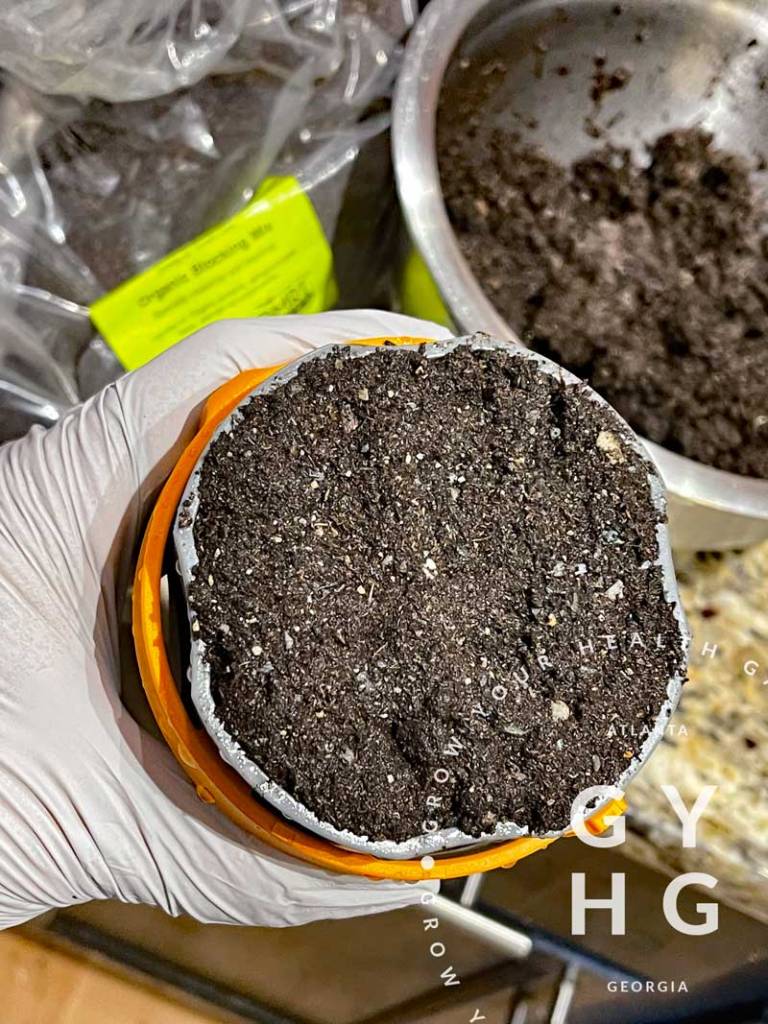
I took four (4) 4-pack planting trays and used the same batch of sifted soil for all four packs. The control 4-pack is straight up soil only. The second 4-pack I amended the soil with worm castings only. The third 4-pack I amended the soil with activated charcoal from a company I heard about and am trialing their product before bringing it to sell in our store and online. The fourth 4-pack soil is amended with the same ratio of worm castings as the second 4-pack as well as the same ration of the third 4-pack of soil with activated charcoal (so this final 4-pack has both amendments in it.)
A glimpse of our current seedling test subjects.
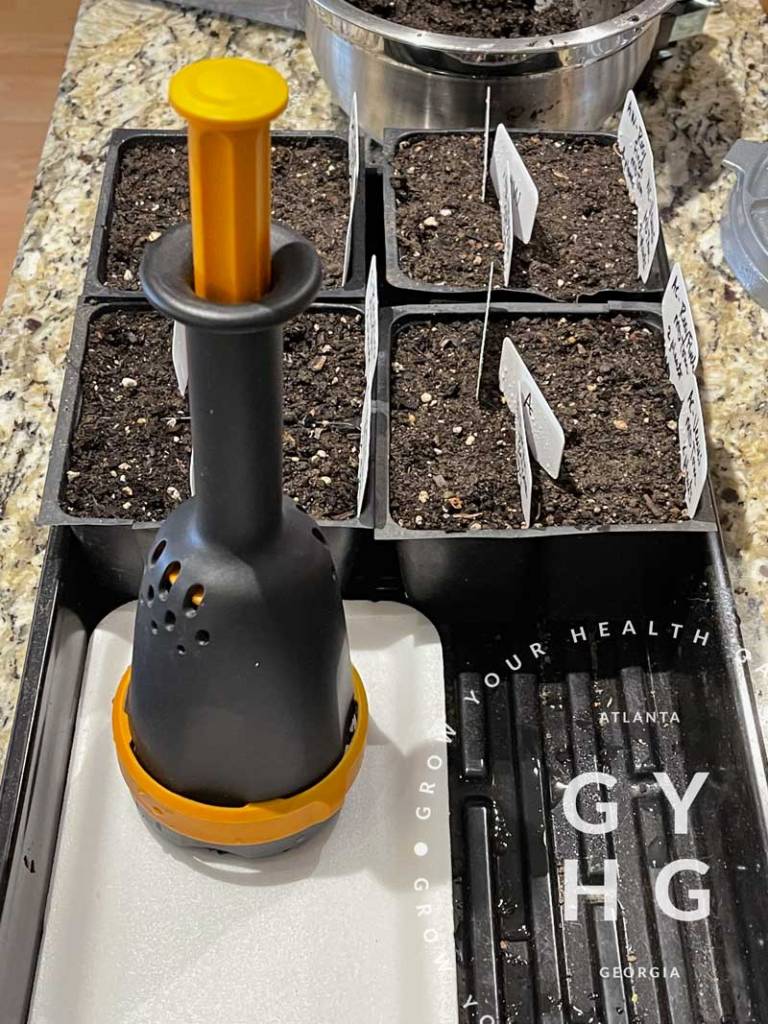
I then repeated the same amendments in another batch of similar soil, but put it in a soil block and amended certain soil blocks with worm castings only and activated charcoal castings only and a mix of both worm castings and activated charcoal. I also included rock wool just to compare growth of seed in this substrate as well. The rock wool will need to have kelp diluted and added to it as the seedlings grow as the rock wool is pH neutral and is devoid of nutrients.
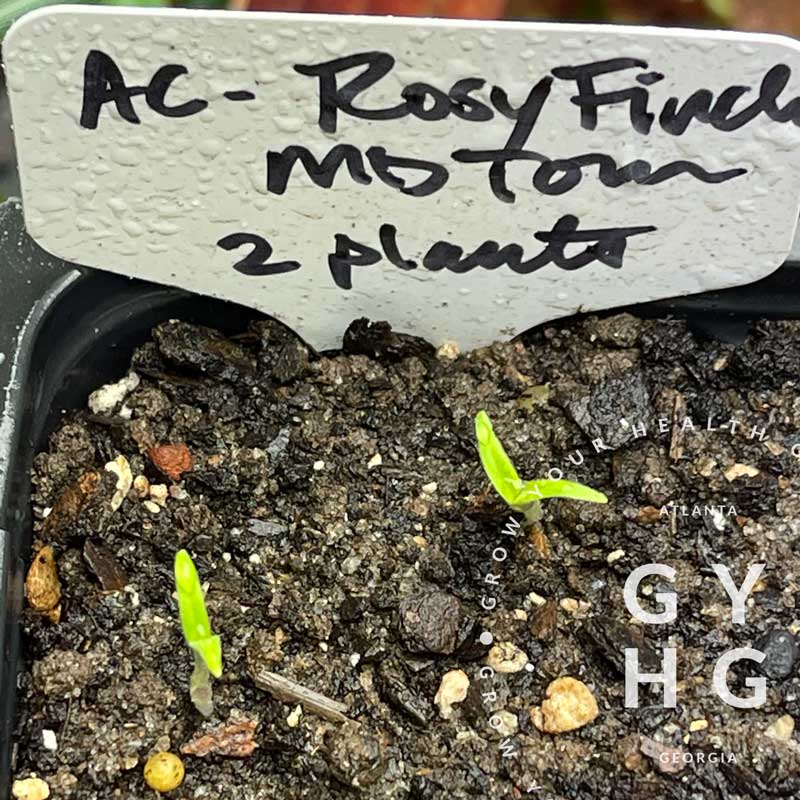
For plants, I chose seed that was from the same lot, same harvest, same parent plant. All seed is our homegrown line of seed that we’ve saved and developed season after season, so I am confident that we have good strong seed stock to run the test. I chose to plant microdwarf tomatoes, because we are in the middle of winter here in Atlanta, Georgia and I can grow micro-dwarf tomatoes indoors under lights and evaluate results before our busy season of the summer harvest begins. We selected different micro dwarf tomato cultivars including Florida Petite Microdwarf Cherry Tomato, Rosy Finch Microdwarf Cherry Tomato, Aztek Microdwarf Cherry Tomato and Venus Microdwarf Cherry Tomato.
Rosy Finch Micro Dwarf Tomato Seedlings pop out of the soil ready to reach for the light.This is a Fiskars Soil Block that is a plunger style and easy to use. You can make soil blocks of four or one larger soil block.Setting the first soil block with the other four 4-pack trays already finished and planted.Small bits of Activated Charcoal in equal parts and mixed thoroughly in each 4-pack of soil as well as equal parts of worm castings mixed well in 4-packs of soil keeping things as consistent as possible. We are testing to see if the activated charcoal makes any significant difference before carrying a product in our store. Stay tuned!
To gauge results, we will weigh all produced fruit and count the number of blossoms and the number of final fruit set by each tomato plant. I will do my absolute best to give equal amounts of water by first measuring what each plant is given and offering the same amount to each plant.
My hypothesis is that the air pruning action of the soil blocked starts will produce stronger seedlings for transplanting in the long run because when that root hits the air, it will signal to the plant to produce roots on the interior of the soil elsewhere. More roots will mean the plant has more opportunities to take up moisture and nutrients in the long run. I also think the soil block with BOTH worm castings and activated charcoal will perform the best because the worm castings will further any biological activity that may be happening within the soil and “cling” to the activated charcoal which the plant can tap as it needs.
That’s my best guess, but I could be wrong! We shall see what plays out in our little science experiment. What do you think will perform the best and why? Tell us in the comments below!
To be honest, this is a little difficult to write … I’ve debated on what to do as this day has been approaching. A year ago, today was one of the worst couple of days of my life. (The day before was an especially gut-wrenching sort of day. My mom told me she wanted to take off the mask that was pumping oxygen into her lungs and keeping her alive. ) Shortly after the midnight hour, on this day one year ago, my mother died in a hospital bed from Covid.
It was not how I envisioned saying “goodbye” to my mother on this side of heaven. I couldn’t be by her side. I was only on a FaceTime phone call and it tore me up to know she was alone with people she didn’t know in her last minutes of life here on earth. But, I don’t have to focus on those horrible things on this one-year anniversary, I can pause and remember the good…
The reason I am probably drawn to even do Grow Your Health Gardening is because of something Mom instilled within me from a very young age. She was a government school teacher for 30+ years and she instilled in me the value of the “teachable moment”. I remember her saying that you never know when a child really learns so she would suggest offering multiple opportunities to teach the same concept until it seemed that they understood.
She would say that when you see the opportunity to teach something new, you should pause and do it right in that moment. She told me a story about her own mother (who was an amazing farm cook and wonderful grandmother) who fussed at her lightly one day, because she had taken more time to do a task because she wanted to teach it to me as a little girl something as she did it. Mom saw a “teachable moment” and made time for me to learn along side her. I see myself doing this in my own children as we do life together. I often pause and repeat the same lesson again and again with them asking them, “Now why am I doing this? Why is this important?” — just to make sure they understand the lesson that is there to learn.
She valued learning and I am so thankful that she instilled in me that you are never too old to learn. Learning is lifelong (and makes life so interesting.) Perhaps that’s why I continue to write when I can on GrowYourHealthGardening.com in-between teaching our other children (2 are already pursuing higher education), growing things, and taking care of my family.
Mom was really good at growing African Violets inside our front living room. I remember her tip was to put some liquid fertilizer in the water and she always put them in a 13×9 pan and told me to water them from the bottom (let them soak up through the roots what they wanted to take and then remove them from the pan of nutrient-rich water.)
She taught me to plant marigolds to keep away aphids and to put a bit of fish in a hole before planting a strawberry start. She loved her little garden of flowers and especially was good with roses. That was difficult for her to leave as she became more reliant on the care of others. She always enjoyed the flowers. In fact, as a little girl, I remember she and grandma take me out for a drive and we would pick wildflowers. Those are good memories.
It seems sort of silly to throw a sale in her honor, but I know it would have made her smile. So we are going to pause from the busyness of life today and spread some love (as she was often ready to give to help others in need if she felt led). In honor of Mom we are giving 15% off on all seeds (no order minimum) in the seed shop if you enter the code “INMEMORYOFMOM” at check out today (1/14) through Sunday, 1/16.
My heart goes out to those that have lost loved one(s) from this horrible virus. My heart grieves with you in your loss. But it doesn’t have to be something that drives our decisions by fear. I was very fearful after her death of Covid. I’m so very thankful that the Lord allowed my son to get sick so we could see that every person responds differently to it and we now know because of world-wide spread and treatment options that certain drugs DO work better than others. I am thankful also for those in my life who have encouraged me to not let fear drive how I live my life. Life is meant to be lived to the fullest in giving glory to God. It has made me more appreciative of time I DO have with those I love and not take the time with them for granted for none of us know what tomorrow will bring.
So, be well and do what you can to be healthy and build your immune system (like growing your own food in your own garden.) Don’t let fear be the driver of your decisions. Don’t follow the masses. Remember, you are exactly who God created you to be and live life to the fullest every day. And pause to remember those loved ones you may have lost and share their story in the comments below.
Thanks for letting me share my heart and my Mama today with you…
April is “Gardening with Kids Month” where the industry focuses on encouraging young people to learn more about growing food at home. I wanted to join in on this topic, because I feel it’s so important to teach the next generation about how to grow food. And here’s the best part — you don’t have to know everything about growing food to do it. It’s fun to learn together! If you’re interested in gardening with your children, hopefully our story will inspire you in your journey…
A little bit about my background and knowing a little something about gardening with kids…
As some of you might know, I am a mother to five (5) amazing souls — I am blessed, despite battling PCOS, to have identical twin sons who are now 20 years old, another son who is 16, another son who is 11, and a daughter who is now 8 years old.
When my twins were going into 5th grade, my husband and I felt led to homeschool our three boys (our other two littles had not yet been born.) I left a good paying career in marketing to dive into something totally foreign to me… educating my own children. I felt strongly that I only had my children for a season and I didn’t want to be so distracted with wealth-building that I missed the greatest wealth right in my arms — my children.
Thinking back on that time period, I was very involved in our sons’ education. I volunteered at their school and knew the Principal by name. I knew our sons had a lot of potential, but they were struggling in an environment where they were expected to sit at a desk all… day… l-o-n-g. We hit a breaking point, when I learned one day my son had not been out to recess in over a month, I was not only livid, but I knew that to continue doing the same thing and not getting the results you wanted was not the answer. I remember at the time that I got together with a small group of moms from our church to scrapbook each month and it just so happened that when we met that evening at my house that it coincided with learning my son hadn’t had any time to move his body and play at school for over a month. There was this mama in our group that had homeschooled one of her two children that asked, “Erin, have you considered homeschooling your boys?” Gasp! No! Who does that?
Slowly my friend began to share and open my eyes to the possibilities with homeschooling and she eventually took me to a homeschool expo that totally blew me away. There was so much I could do with my boys as far as teaching them that I was overwhelmed with the possibilities. Here I was, a college educated fully-capable woman who thought only trained “professionals” (aka: government school teachers) were equipped to teach children. How blinded I was by my own biases. It was one day while driving down the road when one of our boys in the back seat of our SUV dropped a swear word that my husband and I looked at each other and simultaneously said, “We’re homeschooling.” It was becoming more and more evident that their environment was impacting them more at school that our efforts were at home.
Taking the leap to homeschool felt like I was jumping off a high cliff into a deep pool of water, but looking back over these past decade of living life in this way IT IS THE BEST DECISION I’VE EVER MADE. My children went from doing life in silos, to doing life together. We focused on developing character and growing in relationships just as much as reading, writing and arithmetic. But alas, I digress. Back to how we used gardening to grow our children…
When I began to teach our sons, I saw first-hand what their teachers had complained about — the high distractibility and the difficulty focusing on tasks for any length of time. Even I was a bit surprised at how hard it was for them to get through a subject. Here I was taking out of school because they didn’t fit the mould and at home, I was just making it look like what they came out of doing because that was what was familiar to me. Doing the same thing over and over again, while expecting different results is akin to insanity, so this SANE mama gave herself permission to step outside the box, society had placed us in and begin to do what was best for my children even if it looked different than what the government school was doing. So I began to deep dive in to figure out how my sons best learned as individuals with the aim to change them from fidgety fifth graders to fantastic focused learners!
At the time, I had joined a homeschool group where one of the moms offered a Classical Education / Charlotte Mason group out of her home where Mom’s met once every couple of weeks on a Saturday to discuss the book, “The Well-Trained Mind” by Susan Wise-Bauer and Jessie Wise. [Get on Amazon]. One of the big take-aways from those wonderful group of mamas with a heart for their children was to simply get children outdoors. And this ended up be the perfect place for me to start with my active young sons.
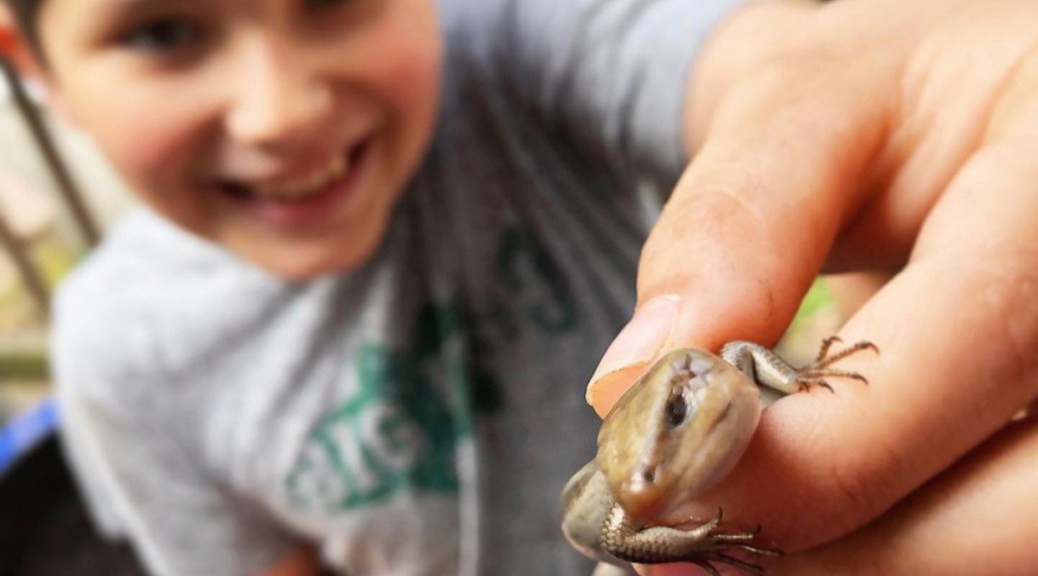
We encourage our children to explore this amazing world around us and respect the creatures they discover. All five of my children have brought me various critters they have discovered (here a skink) and I take a picture for posterity before they release their catch back into the yard or wild. Photo: Follow us on Instagram @GrowYourHealthGardening
Tap your child’s natural curiosity and imagination through exploring the outdoors
So one of the big take-aways this Charlotte Mason / Classical Education type group focused on was our ability as a parent to tap into the natural curiosity of our child / children and the outdoors is the PERFECT place to spark the imagination and wonder of a child. One of the ways we can do this is through nature walks. Prior to going on our nature walk (aka hike), we would equip our children with a task to find one object that was simply interesting to them. They were only to collect one item, nothing more. Of course, the beauty of this was it didn’t have to be limited to a hike — in fact, when I had a newborn in my arms, I would send the boys out into our fenced back yard for a certain length of time with instructions to bring back something that caught their eye as interesting. Sometimes it was an oddly colored or shaped rock. Maybe it was a leaf. Or a bug. Or moss and a uniquely shaped branch. Or some other type of critter like a skink. The goal of the exercise was simple — get them out from behind a desk and get their body moving and their eyes open to the world around them.
Something amazing happened. They were able to come in and sit down and stay focused on their task. I was a believer in this learning method. We had found something that worked!
I would call them in and we would set on the back deck or at the kitchen table and discuss as a family what they had found. This helped their linguistics and built confidence talking about what they thought and gave me insight into what they found to be interesting. One son loved moss (interestingly he ended up having a moss garden as a teen) and another son liked a frog (which totally Next, I had a simple set (like 7 colors) of water colors and brushes with water in solo cups for each child and a small 6 x 6 piece of blank water color paper. The instructions were simple… paint what you see. And the most important part — I did it with them. You might be wondering, Erin, why didn’t you have them use a sketch pad and sketch paper? Well, in using water colors, a child learns how different colors interact with each other. They learn how colors can blend and layer upon one another for a certain affect. They learn how to pay attention to detail — to not only the color hue of whatever object they are examining, but even down to how the light hits that object and creates a shadow. It was okay if it wasn’t perfect. We weren’t aiming for perfection — we were simply observing and trying to communicate visually what we saw and orally what we had observed. The two step process of letting them move their bodies, find what is fascinating to them, and then slowing down and paying attention to detail showed me that my children could indeed focus. Without any drugs. Without missing any recess. And learning about the amazing world right out our back and front doors.
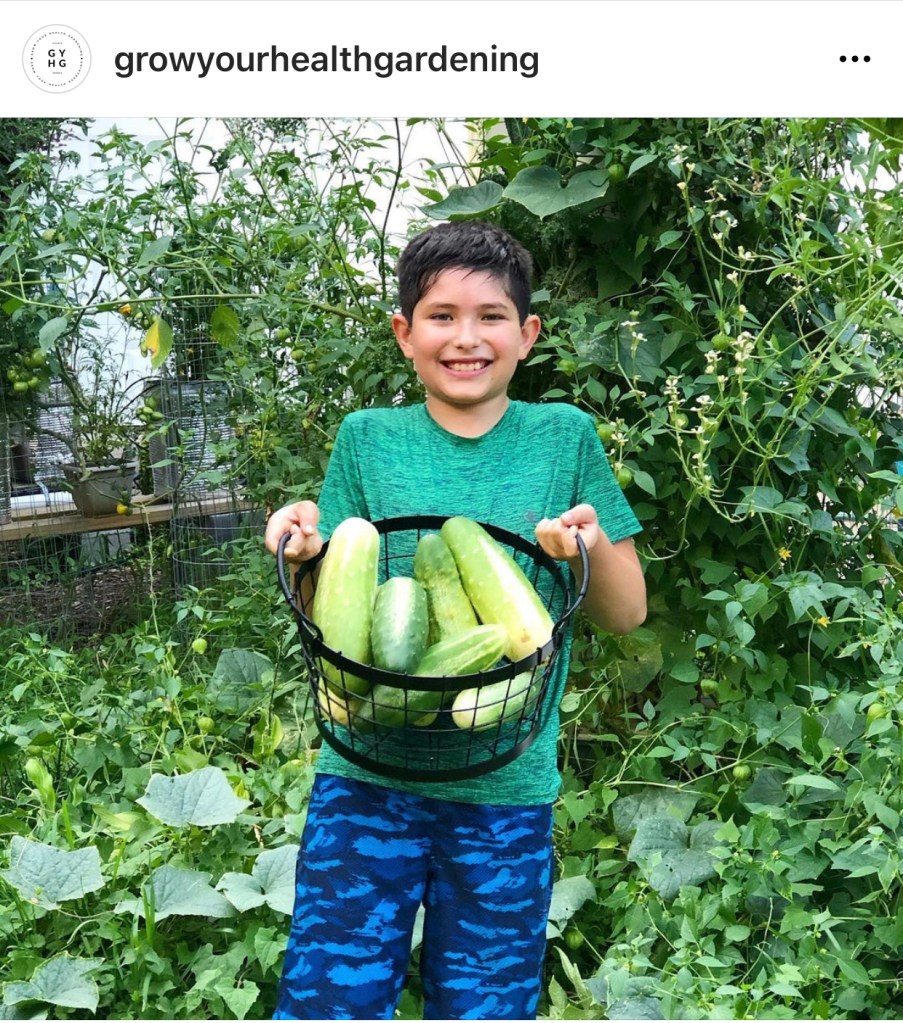
My youngest son (age 10 in this photo), brings in our hydroponic cucumber harvest. This variety is Ashley Cucumber and hydroponic-adapted seed can be found in our Grow Your Health Gardening (GYHG) Seed Co. store. Photo: Follow us on Instagram @GrowYourHealthGardeningOur son, Joshua, shows just how big our kale harvest was off of one Tower Garden last spring when it was at it’s full production mode. We processed all this kale freezing some for healthy smoothies and making some into healthy kale chips which my kids love as a snack. Photo: Follow us on Instagram @GrowYourHealthGardening
Understanding how a child learns and helping them make connections is key
And the beauty of this ‘learning method”, if you will, is you are using both sides of the child’s brain. Very young children in particular are very right-brain hemisphere dominant, especially during their first three years of life. According to the book “The Whole Brained Child: Revolutionary Strategies to Nurture Your Child’s Developing Mind” by M.D. Siegel and Ph.D., Bryson, you want to encourage cross-brain learning functions whenever possible. [Get the book] They write, “We want to help our children become better integrated so they can use their whole brain in a coordinated way. For example, we want them to be horizontally integrated, so that their left-brain logic can work well with their right-brain emotion. We also want them to be vertically integrated, so that the physically higher parts of their brain, which let them thoughtfully consider their actions, work well with the lower parts, which are more concerned with instinct, gut reactions, and survival. … What molds our brain? Experience.”
We want to help our children become better integrated so they can use their whole brain in a coordinated way. For example, we want them to be horizontally integrated, so that their left-brain logic can work well with their right-brain emotion. We also want them to be vertically integrated, so that the physically higher parts of their brain, which let them thoughtfully consider their actions, work well with the lower parts, which are more concerned with instinct, gut reactions, and survival. … What molds our brain? Experience.”
When using watercolors and painting, you are tapping right brain creativity, but in giving them the task of looking and remembering detail, you are tapping left brain logic. If you have a child that asks “why” all the time (I remember my mother getting exasperated with me at one point because I was this kind of child), know it’s their left-brain wanted to know the linear cause-effect relationship in the world and to express that logic through language. It is a blessing to have a “why” asking child as they are wanting to make connections and learn!
Siegel and Bryson I think would agree with this outdoor Charlotte Mason / classical education method of learning for they write, “…children whose parents talk with them about their experiences tend to have better access to the memories of those experiences.” So, getting in the habit of engaging a child by focusing on the world outside your front or back door is key in engaging and inspiring these kinds of conversations. What I found over time is when they were older, they were able to have some very grown-up conversations with adults to discuss their experiences and relate to people in a way their peers didn’t seem to be doing. In their high school years, I also saw a richness to what they wrote about as they drew from these memories and made connections to the world around them on a bigger scheme. My middle 16 year old son, who was given time outside from first grade on to explore his world continues to BLOW ME AWAY at times with the connections he makes with literature and history right now as a homeschooling Junior in high school. And he writes poetry for fun… again… I’m blown away by him and his creative mind that taps into the logic of what he is perceiving about the world around him.
Children will watch what you do and follow your lead
I know what I’ve mentioned here is not specific to gardening, but as we were doing every day life, this kind of learning was adapted to what I was doing — growing food. For example one day, my son, Joshua, noticed me saving some seed from some fruit I had processed from the grocery store. I would set these seeds on a tray in the corner of my kitchen to dry and save. Soon, I noticed my seeds were being added to by someone else in the family. Other seeds being added to my drying area. Come to find out, Joshua had taken notice of my actions and he was inspired. He saved seeds I would have never tackled! I remember he saved a mango seed one time and actually grew it into a tree! (It was doing great until it was left outside on a cold night [sad face]). Today, Joshua has graduated for Seed Saving School from the Seed Savers Exchange and is a great help in isolating, pollinating, collecting and processing seed for our Grow Your Health Gardening Seed Co.
Joshua collects basil seed off of our hydroponic system. Photo: Follow us on Instagram @GrowYourHealthGardening
Involve your children in what you’re learning or curious about
If your children see you learning and inquisitive, they will see that learning isn’t limited to school — learning is for adults, too — it’s an attitude. And a mind that continually learns is a good thing. I didn’t want to only teach my children reading, writing and arithmetic and science — I wanted them to learn how to learn. I knew if they had the skills to find the information they didn’t know, they could learn anything whether I was there or not. And I had the honor and priviledge of being that example to them from a very young age.
If your children see you learning and inquisitive, they will see that learning isn’t limited to school — learning is for adults, too — it’s an attitude.
—Erin Castillo, Grow Your Health Gardening
Here, one of my twins finishes potting up various pots to learn about root growth and development as part of a lesson on aerial root pruning. Photo: Follow us on Instagram @GrowYourHealthGardening
When my twins were about 8th and 9th grade, I began to really get intrigued by this idea of hydroponics. I was tired of fighting the Georgia clay soil. I would amend it and invariably it was never enough, because the very next season it always returned to clay. And then I fought the weeds. Oh the weeds! As a busy mom of five at this point, I didn’t have the band-width to be out watering the garden and weeding day in and day out. I was doing good just to feed them three square meals a day and get their lessons done. There just wasn’t enough of me to go around it seemed and so our little gardening patch suffered as a result. But I missed growing food and I was determined to find an easier solution. So, when I say I dove in to learning more about hydroponics, I mean a full-head-long plunge. I watched videos, read articles, purchased books, attended workshops. I immersed myself in learning whatever I could find on the subject online and from the library, new books and old books. (Even still today I listen to podcasts and read to learn more.)
There was a YouTube video by a gentleman that particularly caught my eye. He was growing tomatoes in bato-buckets. It was a gravity fed circular system and it fascinated me. I was astounded at how simple the system was while getting seemingly high production out of the plants he was growing. I wanted to see if what he was claiming was true, so I talked my husband into helping me and the boys build a simple system. As part of their High School Biology class, I incorporated some botany since they were studying the differences between plant cells and animal cells. I had the older boys track the pH levels and PPM levels using some meters I had picked up from the hydroponics store in Atlanta. I was amazed at how the tomatoes thrived and the parsley and basil flourished! And I didn’t have to weed or water a single thing! I just had to make sure my reservoir was full and nutrients and pH were in range every couple of days or so during the hottest days of the season. We had tomatoes and herbs growing until our first snow that year! I was impressed! I was hooked!
We didn’t just stop at the hydroponics for learning… we dove in and even did other types of labs. For example, we did one on how different pots affected root growth through air pruning. In this exercise, our sons learned that roots need oxygen to grow and how air pruning will strengthen a plant through encouraging lateral root development. The more roots your plant has, the more it can uptake nutrients you offer it whether in soil or in a hydroponic/aeroponic system.
Our then 7 year old daughter holding hydroponically grown Rainbow Swiss Chard. I had to move some things around in my Tower Garden and we both learned that day that Rainbow Swiss Chard has roots that are the same color as the stalk! How cool is that?! Photo: Follow us on Instagram @GrowYourHealthGardening
The rest is history as some would say… we have explored all sorts of growing systems using water including aquaponics, the Aerogardens, and my go-to-favorite, the vertical garden growing system the Tower Garden (full disclosure, I am a Rep as well because I love it so muchand I want Mama’s to succeed in growing healthy food for their family!) Since this all began, I now hold certifications in hydroponics, aquaponics, seed starting, a graduate from the SSE Seed School and more. Joshua (the son who was and still is a seed saver) can now take any orchid and rescue it, bringing it back to it’s intended beauty. And, as far as I know, he is also the youngest to become a Master Gardener in our county.
I am so thankful for our local County Extension Office — they have been an excellent resource to our family as we have learned over the years and grown. I will talk more about this resource in upcoming articles and how you can tap into it for FREE! Here Joshua holds an azalea plant he won for attending a local workshop. Photo: Follow us on Instagram @GrowYourHealthGardeningTower Gardens were a game-changer for how much food we could grow in a small space. Here, we grew over 100 plants on our back deck. Photo: Follow us on Instagram @GrowYourHealthGardening
And the learning hasn’t stopped with just my sons as they’ve graduated from High School and have moved on to other things. My younger children keep me going. One recent example has come out of a book I read which made me want to get better at growing flowers in my garden. I began to follow a gardener from Virginia (also in zone 7, so similar growing conditions to where I live in Atlanta, GA), Lisa Mason-Ziegler. I picked up her book “Vegetables Love Flowers: Companion Planting for Beauty and Bounty“. In this book, she talks about how important the flowers are to the food bearing plants in the garden — not simply for pollination, but for bringing in natural predators and balancing the ecosystem. I would play her Facebook live events while I worked on my own seed starting. There’s always something new you can learn…
Be watchful of what delights your child and then be purposeful…
It was around this time-frame where I was listening to Lisa and working in the garden that my then 7-year-old daughter ran up to me with a clutch-full of Dandelions and wild Violets. Then a thought fluttered through my mind… she loved flowers so much that she brought them to me to share her joy in them. How could I join her in that?If I could combine that desire to pick flowers she had with my desire to grow more flowers … and that led to growing two flower beds last season of sunflowers and zinnias. My husband financially backed my hair-brained idea and generously gave me some sunflower seeds and kits from Lisa Ziegler’s shop for Mother’s Day. I was so tickled to dive right in and do this project with my daughter.
Throughout the growing season, she learned so much about how plants grow and what flowers needed after they were picked to extend their vase life. We even learned how you can use lemon basil or cinnamon basil as filler in your arrangement and it makes it smell divine! My favorite part was when we would go out to pick flowers together she would be stripping off lower leaves and say, “Mom, thank you so much for helping me plant a flower garden.” Kid you not — this is forever engrained in my mind as a special moment we would share. And she didn’t just say it once, but multiple times throughout the season. I knew we were onto something that was working!
In looking back on last season, I think it also gave her something a little bit different than what I was doing (growing food) that she could make her own. It was HER flower patch to pick from anytime she wanted. She may not understand for a long while that I was intentional about all that, but that’s okay. The spark of learning about flower growing has been lit and my job is to fan the flames of learning and supporting that interest. She and I both find great delight not only in bringing bouquets in to our home and making our home environment beautiful, but also sharing with neighbors and those who need encouragement.
As I write this, in our upcoming growing season she is growing more cool season annuals. What’s more, she is dreaming and talking about one day owning a flower and gift shop. Will she do that? I hope so… I love the idea of encouraging entrepreneurship, but what I love more is she is learning about how plants grow and finding joy in the journey. She is learning through gardening. And the best part is, I am blessed to get to do that right along side her. We grow in relationship as mother and daughter doing something we both love — she can be mimicking my example of growing plants, but make it her own by it being her own little patch to nurture and enjoy.
Like Siegel and Bryson mentions in their book, “Spending time with family and friends and learning about relationships, especially with face-to-face interactions, will wire it in yet other ways. Everything that happens to us affects the way the brain develops…This wire-and-rewire process is what integration is all about: giving our children experiences to create connections between different parts of the brain. When these parts collaborate, they create and reinforce the integrative fibers that link difference parts of the brain.”
—Siegel and Bryson “The Whole-Brain Child: Revolutionary Strategies to Nurture Your Child’s Developing Mind
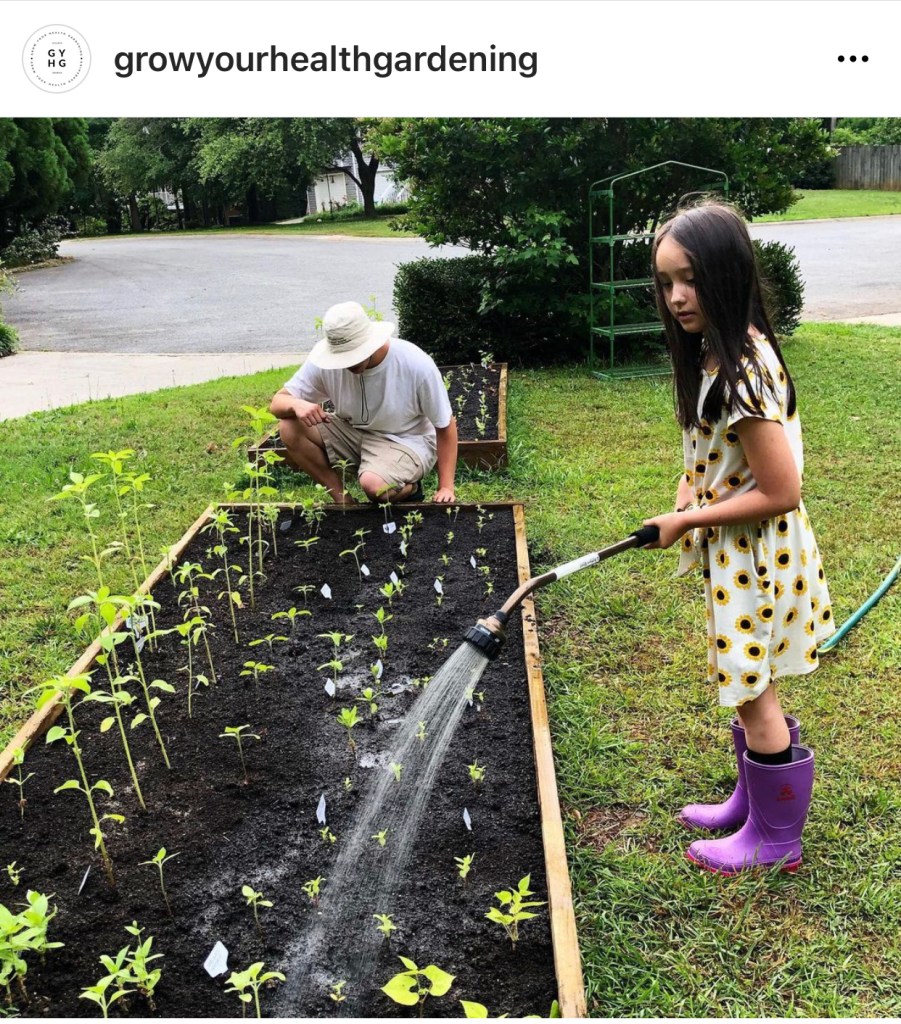
Our seven-year-old daughter waters in her Sunflower and Zinnia transplants while her big brother, Joshua, helps with finishing touches to the flower bed. I love how gardening brings our family together. Photo: Follow us on Instagram @GrowYourHealthGardening
Here’s the main thread through all these years with my children… we had fun growing in relationship with each other and learning about the world we live in along the way. My children are more connected to where their food comes from and why they should eat those greens I put on their plate, because we have reached out the world outside our front door and have brought it into our lives. They have learned a life skill in how to grow food — they can be independent and self-sufficient in a world with a burdened food system where people rely on large scale agricultural farming practices. When Covid hit and grocery stores were bare, we had food growing and didn’t feel fearful. We felt empowered. They have developed some great character traits in patience and now understand the work that went into the food that is on their plate making them more appreciative of others and our hard-working farmers. These are just some of the great things gardening has brought to our family and I’m only getting started…
I’ll stop there for now, because there’s more I’d like to share about teaching children to grow their own food, but hopefully that will give you an idea of a little bit of our journey as a family and how I approach involving children in the garden… more to come… but for now the garden calls me with our 2021 seed season ramping up. (My children are finished with their math and ready for a break so we are all headed outside for a bit.) Let me know if you have learned something through gardening with your child in the comments below. I love to hear from you!
Chat with you again soon…
— Erin
PS: A special thank you to my help mate and best friend — my husband, who has supported me every step of the way. Love you.
Erin Castillo is a certified hydroponic grower, small-scale farmer outside of Atlanta, Georgia, and owner of Grow Your Health Gardening Seed Co.. She loves to share her passion for helping others grow healthier lives through connecting with people she loves while also growing nutritious food.
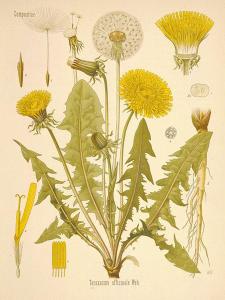
My father loved a well-manicured lawn (and still does) and we had an acre of it. (I jokingly called it a golf-course.) The dandelion was a weed to him and it was engrained in me from a young age that dandelion that had gone to seed were not to be blown for wishes. In my father’s defense, if we are to look at what a weed is, the definition states that “a wild plant growing where it is not wanted and in competition with cultivated plants.” So, in his situation, it wasn’t wanted in that space for his intended purpose. But if you grow it intentionally to use medicinally and for improving your health, we’ll then it wouldn’t be a weed, would it! In fact, I think the dandelion should return to it’s rightful status to be known as an herb — not a weed — and grown intentionally. Here’s why…
DANDELION GREENS ARE CHOCK-FULL OF NUTRIENTS
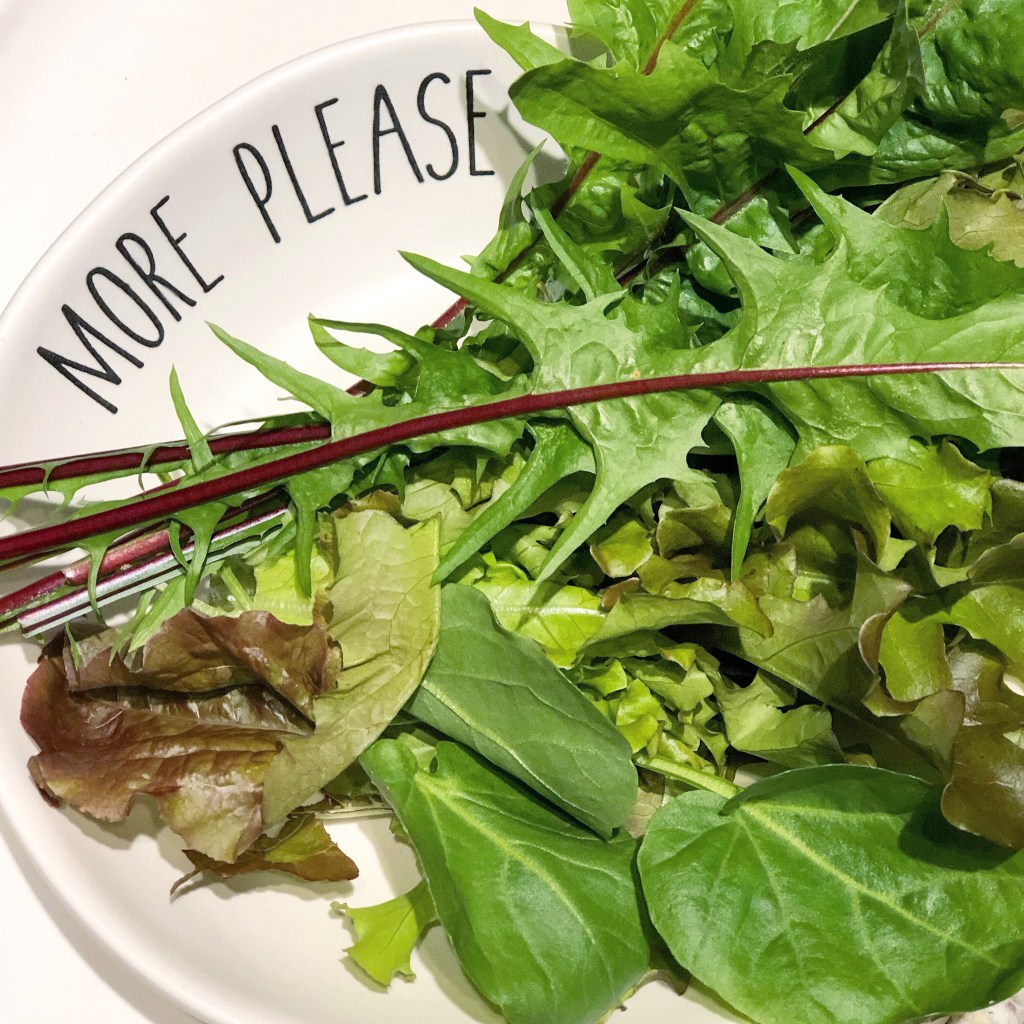
My mother shared with me recently that as she was growing up on the farm, my grandmother would go out in early spring and collect dandelion leaves to eat when fresh greens were scarce and the garden wasn’t producing yet. My grandmother was an expert in preparedness having lived through the Great Depression as a child and every year canned hundreds of fruits and veggies to use throughout the winter. The dandelion in spring was a source of vitamins A, C, K, and E, for her along with folate and small amounts of other B vitamins. The leaves also have a substantial amount of minerals, including iron, calcium, magnesium and potassium. Picking them in early spring as she did also meant the leaves would be smaller and less bitter.
DANDELION GREENS ARE RICH IN THE PREBIOTIC INULIN
Dandelion greens are also rich in a particular prebiotic fiber called inulin. David Perlmutter, M.D. who is an expert in the human microbiome, a board-certified neurologist, Fellow of the American College of Nutrition, America’s brain-health expert and #1 New York Times best-selling author has this to say about dandelions:
“Inulin, also found in foods like chicory root, Mexican yam, and Jerusalem artichoke, enhances the gut’s production of friendly bacteria like the bifidobacteria group. Boosting bifidobacteria has a number of benefits including helping to reduce the population of potentially damaging bacteria, enhancing bowel movements, and actually helping boost immune function. And new research demonstrates that higher levels of bifidobacteria may reduce colonic enzymes that may be involved in enhancing the carcinogenic effect of certain chemicals.” —David Perlmutter, M.D.
The dandelion belongs to one of the largest plant families — the sunflower. There are more than 20,000 species within this plant family, including daisies and thistles. Botanists consider dandelions to be herbs and typically use the leaves, stem, flower, and root of the dandelion for medicinal purposes.
Flückiger and Hanbury in Pharmacographia, say that the name was conferred by Wilhelm, a surgeon, who was so much impressed by the virtues of the plant that he likened it to Dens leonis. In the Ortus Sanitatis, 1485, under ‘Dens Leonis,’ there is a monograph of half a page (unaccompanied by any illustration) which concludes: ‘The Herb was much employed by Master Wilhelmus, a surgeon, who on account of its virtues, likened it to “eynem lewen zan, genannt zu latin Dens leonis” (a lion’s tooth, called in Latin Dens leonis).’ — Botanical.com
A DIURETIC FOR DEALING WITH EDEMA
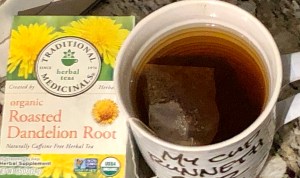
The root of the dandelion can be dried and chopped up to make Dandelion Tea. It acts as a diuretic, helping those with edema. Diuretic, tonic and slightly aperient. It is a general stimulant to the system, but especially to the urinary organs, and is chiefly used in kidney and liver disorders. According to a 2009 study published in the Journal of Alternative and Complementary Medicine, participants showed a significant increase in frequency of urination after the first two doses of Dandelion tea. Water weight, and subsequent bloating went down. Cautionary Note: “Before you begin to use dandelion tea medicinally, you may want to discuss it with your doctor – especially if you’re pregnant or have an irritable bowel,” warns Dr. Manglani.
AIDS IN DIGESTION & HELPS TO COMBAT UTI’S (UNIARY TRACT INFECTIONS)
It can also aid stomach irritation and aid in digestion. “Dandelion tea can have many positive effects on your digestive system. It improves appetite and soothes digestive ailments,” says Dr. Ritika Samaddar, Head of Dietetics at the Max Super Speciality Hospital. “According to various studies, dandelions aid our digestive system by maintaining the proper flow of bile. Dandelion tea helps with mineral absorption and soothes the stomach lining,” says Dr. Manoj K. Ahuja, Fortis Hospitals.
LOWERS BLOOD SUGAR
Various studies have shown that dandelion tea lowers levels of blood sugar and can in turn treat diabetes. It removes excess sugar that is stored in the body due to its diuretic properties and helps in stimulating the production of insulin from the pancreas. It is a great way to fight diabetes naturally,” adds Dr. Manglani.
CANCER-FIGHTING PROPERTIES
And lastly on the topic of dandelion tea… according to Dr. Sharma, dandelion tea contains anti-cancerous properties. A study conducted in 2011 by the Department of Chemistry and Biochemistry at the University of Windsor in Canada found that dandelion root tea was effective in killing different types of cancer as a result of its free radical-fighting abilities.
If you are growing your own dandelions for harvesting (recommended vs. risking a plant that may have been sprayed or encounter animal feces — I know, ewwwe), make sure your plant is two years old and the roots about 1/2″ thick. You’ll want to harvest around February/March when the the Inulin (a sort of sugar which replaces starch in many of the Dandelion family, Compositae) contains about 25 per cent insoluble Inulin. If growing for root production, I recommend planting in a loose soil rich in compost. Be sure to keep heads of dandelions trimmed so they don’t propagate and frustrate your neighbor’s lawn efforts.
SUPPORTS LIVER HEALTH & MAY HELP WOMEN WITH PCOS A study from 2010 showed that dandelion had a favorable affect choleretic (choleretics are substances that increase the volume of secretion of bile from the liver as well as the amount of solids secreted), anti rheumatic (agents used in the therapy of inflammatory arthritis, predominantly rheumatoid arthritis, but also idiopathic juvenile arthritis, psoriatic arthritis, ankylosing spondylitis and others) and diuretin (increased urination as a diarrhetic) properties. They examined the effects of dandelion consumption in rabbits and found that dandelion root and leaf could help lower cholesterol in animals on a high-cholesterol diet. Another study in mice found that dandelion consumption reduced total cholesterol and levels of fat in the liver. Mice that were on a high-fat-diet supplemented by dandelion leaf extract dramatically reduced hepatic lipid accumulation compared to mice only receiving a high-fat-diet alone.The researchers concluded that dandelion might one day help treat obesity-related nonalcoholic fatty liver disease affecting 15 percent to 55 percent of women with Polycystic Ovarian Syndrome (PCOS).
My hope is that this gives a little bit broader insight into the dandelion and I hope that you consider growing it as a green to add to your salads when the leaves are small and if you have the ability to keep up on the bloom cycles, grow it for two years and harvest the roots to make your own dandelion tea. There are also several brands that carry Dandelion Tea — check your local health food store. I like to fix mine with a little slice of ginger and a dash of local honey. I am getting to the point where I actually prefer it over coffee (gasp)!
Let me know what you think if you try growing it or try dandelion tea in the comments below!
Happy Growing!
—Erin
DANDELION SEED
Taraxacum officinalis. Perennial.
This strain forms lush heads of leaves that will rival your favorite lettuce. The leaves are tender, fleshy and dark green.
The plants spread up to 2 ft and the vitamin rich leaves can be eaten raw, boiled, stir fried and used in soup.
The roots can be eaten raw, cooked or roasted and made into a coffee substitute.
The flowers can be used to make fritters, tea and dandelion wine.
Sampler pack of 100 Seeds $0.99 1,000 seeds $4.99
| Order Seeds |
New to growing your own food in a Tower Garden? First off, kudos on your decision to take control of your own health and it all starts at the foundational level of the food we put into our body. It actually can go even deeper than that… it all starts with the parent plant that made the seed that we collect and then grow and then harvest to put into our body. But I digress…
When considering what to put into your Tower Garden, there are certain vegetables and herbs that grow well together. I have grouped these plants based on shared PPM (parts per million) values. You will need a PPM meter to measure what your water’s PPM is with the nutrient solution added.
When determining our list below, we look for areas where PPM levels share common ground (see blue vertical bars to highlight overlapping plant PPMs)… Note: this PPM reference chart is available in full for all our Tower Garden and hydroponic clients, but here’s a little snippet:
Note that some plants can tolerate higher levels of nutrients than mentioned here as these are ideal ranges for growth. You’ll know when a plant is getting too high a level when the edges of the leaves get a brown tint (called tip burn). Otherwise, know that these plant groupings are going to grow together fairly well at certain PPMs and that you can push some of the plants that are below the PPM level to the next level up in some cases…
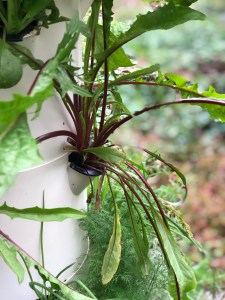
based on the PPM of 775 and a pH of around 6.0, you could grow these plants together using the Tower Tonic Minerals Formula Parts A&B: Arugula, Artichoke, Basil, Calendula (petals of flower are edible), Cilantro/Coriander, Dandelion (leaves edible & root used in tea), Fennel, Lavender, Lemon Balm, Menarda (Bee Balm), Mustard Greens, Nasturtiums (leaves & flower are edible + plant deters some insects), Oregano, Pansies (flower petals are edible), Parsley, Rosemary, Sage, Thyme, Violas(petals of flower are edible), Watercress.
based on the PPM of 1000 and a pH of around 6.0, you could grow these plants together using the Tower Tonic Minerals Formula Parts A&B Artichoke, Basil, Chives, Fennel, Kale, Leek, Lemon Balm, Menarda (Bee Balm), Mustard Greens, Oregano, Parsley, Peas, Rosemary, Sage, Thyme, Watercress
(Lettuce/Romaine may grow in this range as well, just watch for tip burn on the leaves — some varieties may tolerate the PPM level)
based on the PPM of 1265 and a pH of 6.0, you could grow these plants together using the Tower Tonic Minerals Formula Parts A&B: Artichoke, Beetroot, Bok Choy, Broad Bean (Fava Bean), Carnation (2′ tall, but petals of flower are edible), Cauliflower, Celery, Chives, Cucumber, Kale, Leek, Marjoram, Menarda (Bee Balm), Mustard Greens, Parsley, Peas, Purslane, Pumpkin, Spinach, Summer Squash, Strawberries and Swiss Chard, Turnip Greens, Water Cress, Watermelon, Zucchini
based on the PPM of 1490 and a pH of around 6.5, you could grow these plants together using the Tower Tonic Minerals Formula Parts A&B: Beans, Beetroot, Bok Choy, Broad Bean (Fava Bean), Celery, Eggplant, Endive/Chicory, Chives, Cucumber, Kale, Melon, Mint, Okra, Hot Peppers or Sweet Bell Peppers (Note: Planting both near each other may result in cross-pollination if outdoors and open-pollinated by bees and your sweet peppers can get a bit of heat in the flavor department. If growing indoors and hand pollinating blooms, you should be fine.), Purslane, Pumpkin, Spinach, Summer Squash, Strawberries, Swiss Chard, Tomatillo, Tomato, Turnip Greens, Watermelon, Zucchini
Remember to put larger plants like kale and those that vine like peas, cucumber, and nasturtiums towards the bottom and you’ll need a support next to the Tower Garden where the vines can continue to grow out and fruit. Taller plants go towards the top (like Celery and Rainbow Swiss Chard).
based on the PPM of 1990 and a pH of around 6.5, you could grow these plants together using the Tower Tonic Minerals Formula Parts A&B: Beans, Beetroot, Broccoli, Brussels Sprouts, Cabbage, Dill, Hot Peppers, Sweet Bell Peppers, Tomatillo, TomatoKeep in mind that your squashes, watermelons, tomatillos, and tomatoes are going to be heavy “feeders” meaning they will drink up water and nutrients during the hotter summer days.
Okay, so now you have an idea of what plants have similar growing PPM characteristics. Select one PPM group based on vegetables and herbs you like to use every day!
Keep in mind that for most of us, lettuce has to travel quite a ways if you’re purchasing it from a big box store especially. 70%+ of all romaine is grown in Salinas, California. That means that romaine has to travel roughly 3,000 miles to get to my plate here in Atlanta, Georgia. They say on average it takes 10 days for a harvested romaine to get from the farm to our dinner plate! This is unacceptable! Especially since we know from industry studies that due to respiration rates of plants, nutrient availability decreases within the first 24-48 hours! That translates into you losing out nutritionally on the very purpose of eating that salad! So, with that in mind, simply starting by growing greens is a great place to start. I also like greens because of they mature in 4-6 weeks meaning you get to see your success (and enjoy the fruit of your efforts) earlier rather than later.
The other thing to consider regarding a salad is the number of varieties you have probably never tried because the grocery store only carries 3-4 options. I have found that some of my best salads incorporate a variety of greens and textures. Have fun exploring greens you’ve never tried before — you might find you really like them fresh off of your Tower Garden. I had always shy’d away from Bok Choy in the grocery store because it looked limp and lifeless, but when I grew it in the Tower Garden it was super tasty and I learned that I could keep harvesting for 2 months until the plant flowered. Now it’s something I always plan on growing because it can be added to soups, quinoa, and salads.
If doing a greens selection to grow on your Tower Garden, I like to recommend my clients include a nasturtium on the lower part of their Tower Garden because a) you can eat both the leaves and the flower, b) most people have never tasted a nasturtium because they are not found readily in the grocery store and most often found on the fine diner’s plate, c) they are so pretty to look at on your tower and d) they are companion plants meaning they are good to grow next to other plants to help deter certain pests… When planted alongside cucumbers. eggplant, tomatoes, or squash plants, nasturtiums may repel cucumber beetles, whiteflies, aphids and squash bugs. There are other edible flowers in this range that would be fun to explore if you’re willing to be adventurous.
If you decide to do a vining crop with a higher PPM, keep in mind space (tip: put a trellis next to where the plant’s port is and it can grow off to the side. These vining plants are often water hogs and love the sun, so plan accordingly for anything planted above them — those plants will also need to be heat tolerant. I always recommend including a flowering plant as it will attract pollinators and pollinators (aka: bees) will plump up your fruit and leave your flowering plants in a better state than how they found it.
Tomatoes are the most popular thing to grow. Ideally, you’ll want to look for varieties that have compact traits, but if you do have room next to your outdoor Tower Garden, make sure you can handle the growth habit on a trellis. My favorite tomato is an heirloom variety, Cherokee Purple, and it’s vining can reach up to 10′ or more if it’s given the nutrients it loves. (And BOY do they taste AMAZING!!!!) Cherry Tomato varieties are going to be prolific, so plan a space to support their growing needs to you have airflow and are able to easily keep pests from moving in on your crop.
Tip: If you are putting large vining plants in the lower ports of your Tower Garden. Plant to the left, right and on the back side leaving the front port open. (You may want to cover that port with a rubber disc like this.) The reason for leaving the front port unplanted is you need access to your water reservoir opening and some vines take over and make it difficult to reach it.
And my last thing to highlight is the pepper — remember that if you are growing outdoors and have hot peppers and sweet peppers both growing in your Tower Garden, you may get some cross-pollination through open-pollination and your sweet peppers might be hotter than their parent plants. It’s a good idea to just pick either hot peppers or sweet peppers if growing outdoors. Now if you’re growing indoors under lights, you can plant both hot and sweet in the same system in ports on opposite side of the Tower Garden because you will have to self-pollinate your flower buds anyway (turn a fan on to give your tower a light breeze or hand-pollinate with a toothbrush or paintbrush).
This should get your started. If you’re looking for Seed Providers, you can check out our article here.
Happy Planning!
— Erin
PS: If you want a printable version of the information above to print off and to use as a reference in your garden journal, simply click here: Growing by Common PPMs.
If you have found this information to be helpful, we appreciate any donation large or small to continue our research and to keep GrowYourHealthGardening.com available as a continued resource. Thank you!
I wanted this space here on Grow Your Health Gardening to be focused on how to grow food for the gardening novice, but today I wanted to pause and just reflect on something (or should I say someone) that is near and dear to my heart.
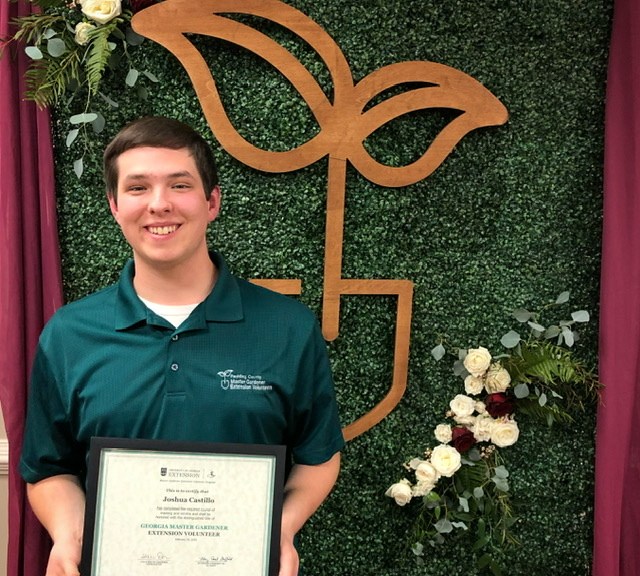
Last night, our family attended a beautiful catered banquet through our local County Extension Office Master Gardener Organization where our oldest son, Joshua, received his official Master Gardener Certificate and official name badge. He is the youngest Master Gardener in our county of 164,044 people (at the time of writing this post.) It was definitely a proud moment for me, his Mama, having watched him grow (pun intended) over the years in his passion and skills.
Of my five children, Joshua is the one that noticed me saving a seed every now and then. Soon, I was finding other seeds next to my collection and now he is a better seed saver than I am! He gets it. He understands that within that seed is life and the potential to keep giving life-giving food to others he loves.
I sometimes call him “Farmer Josh” out of love because he loves to play in the dirt and grow things. We come from a long line of wheat farmers. Joshua’s middle name is fitting, because he is actually named after his Great Grandfather who was a dry land wheat farmer. (Growing wheat definitely isn’t Joshua’s future because we learned he was allergic to wheat dust one year while helping out with the harvest.) Every summer, my family would help bring in the wheat harvest. My grandmother had a large garden and instilled in me from a young age the value of a garden. My parents continued to teach me through growing our own family garden for years and then the busyness of life demanded the need for convenience over preparedness and the garden fell to the wayside and eventually our plot of dirt became grass and then a garage was built over the location.
Our boys in the wheat field as 2 year olds during harvest. Joshua is pictured on the left and Jason is pictured on the right.
When my twins were three years old, my husband got a consulting job in the Southeast, and we moved 3,000 miles across country to Atlanta, Georgia. Our soil profile changed from grey-ash-like soil to red dirt full of clay. I would put rich compost down into my garden beds only to find them return to hard clay by fall. My growing mojo had come to a screeching halt. (I would later learn what to do to re-build the soil profile thanks to new friends made in Georgia and other Master Gardeners.)
Feeling discouraged, I kept thinking there had to be a better way. That’s when I stumbled across a video of a guy on YouTube who was growing tomatoes hydroponically in Bato Buckets. I was fascinated by his methodology and soon I was pouring myself into any resource I could find about how to grow food hydroponically. It was also about this time, that my oldest two sons were studying the difference between human cells and plant cell structures. Since we were homeschooling, I decided to dive deeper into teaching them more about plant biology (botany) and together we were going to learn about hydroponics and how to grow food. My husband helped me guide the boys in building a Bato Bucket system like the one I saw on YouTube and I went down to my local nursery and bought 10 different tomato plants and we transplanted them into our new system. The boys would monitor the pH level and nutrient level of the plants and write down observations. It was a lab of sorts for us to learn from and boy did we learn!
The following year, my husband had a heart attack. It was then that I realized we were not doing enough about eating wholesome vegetables. In my research the previous years, I had narrowed my next hydroponic system to two options. But when our need became more urgent, I knew I didn’t want a DIY system — I needed something out of the box that would just work. (My last DIY system cost as much as the one out of the box.) He agreed to getting three Tower Gardens by JuicePlus+. Here was our first year’s crop (pictured below).
I was amazed at how easy it was to fit it into my busy lifestyle. No weeding. No effort to build up soil. No nematodes to eat my crop. No irrigation system to monitor or standing there day in and day out to water plants for a half hour while our water bill took a hit. I would just watch the reservoir every week and check pH and nutrients — it was right up my alley. I needed low-maintanence gardening. Joshua dove in with me and helped monitor the growing system as well.
I also learned of our local Master Gardener program through our Extension Office that shared space with 4H. I took the kids to any free program they had to offer on growing things or even one was on bee keeping. In fact, Joshua won the door prize at one of these meetings and he and my youngest son walked away with some free plants! It was around this time (I think Joshua’s Junior year) that I turned to him and planted the seed-thought of him becoming a Master Gardener. He had the time now to make that happen and then could use the skills he learned for the rest of his life instead of waiting to the end of his life when he retired to enjoy it. He was excited by the thought of that idea and inquired only to find that you had to be 18. He wouldn’t be able to do it as his senior year project. But he didn’t give up on the goal. He applied for the Master Gardener program that was to begin around the time of his 18th birthday.
What probably many don’t know is that during this time, our family went through a difficult time. My mother, who lived 3,000 miles away, needed help getting through a situation she found herself in and I had to leave for several weeks to help her. This unfortunately coincided with Joshua starting his Master Gardener training. He took an Uber each day and paid $20 out of his own pocket to get to his classes until other arrangements could be made on his behalf.
One of the great things that I love about the Master Gardener program is the wisdom of those who are involved. I’ve tried to teach my children to reach out to those with grey hair as they are a library of untapped resources. Joshua was blessed to have these amazing individuals come along side him and help him. They loved him because with his youth brought much needed muscles! lol I really wish there could be more young people involved because they are missing out on such a great resource. I want to see what can be done to bring these two groups of people together.
Joshua juggled working his required 50-hours of volunteer hours around with working a job. I saw him increasingly frustrated when he would miss a Master Gardener meeting (often held during the day) because he had to work. But it showed me what he truly enjoyed. Thankfully, he came to realization himself and asked if he could work for me and help me instead of continue in the electrical program he was pursuing. I really needed his help knowing that my own goals included the possibility of growing our crops to the point where we could take it to the local farmer’s market to sell. So here we are today, working on our upcoming growing season and it is such a joy to work alongside my son. He’s smart and helps things get done when I don’t have the bandwidth to get to it. Currently, he’s helping me clear some land to do an herb garden installation. He is put in charge of his younger siblings who help him clear out ivy that has overrun the space we plan to utilize. He also is good at cleaning out Tower Gardens and sanitizing them (as well as our cutting tools). We hope to also propagate some of the beautiful resources on our property to sell at the upcoming Master Gardener event this spring. And his favorite thing to grow indoors — orchids!
So, last night’s award dinner was truly special and I felt so proud of him for pursuing what he loved. And I feel so blessed to be his Mama and thankful that we have something in common to share over the years. I am praying for Joshua and that the Lord will continue to direct his steps as one day he will have his own family to provide for (and possibly me in my old age, Lord willing!)
Thanks for letting me share from my heart. And if I can encourage any of you with children… learn together! You don’t have to have all the answers or be an expert to be qualified to teach a child. It’s through the process of learning together about something that your children will come to understand that anything is possible to learn about if you just pursue it.
Happy Growing —
Erin
PS: If you ever read this post, Joshua, know that I am proud of you and can’t wait to see what you do next! Never stop dreaming and learning! Love you, Mom
Tips for Hydroponic, Aquaponic, and Soil-based Gardening Methods

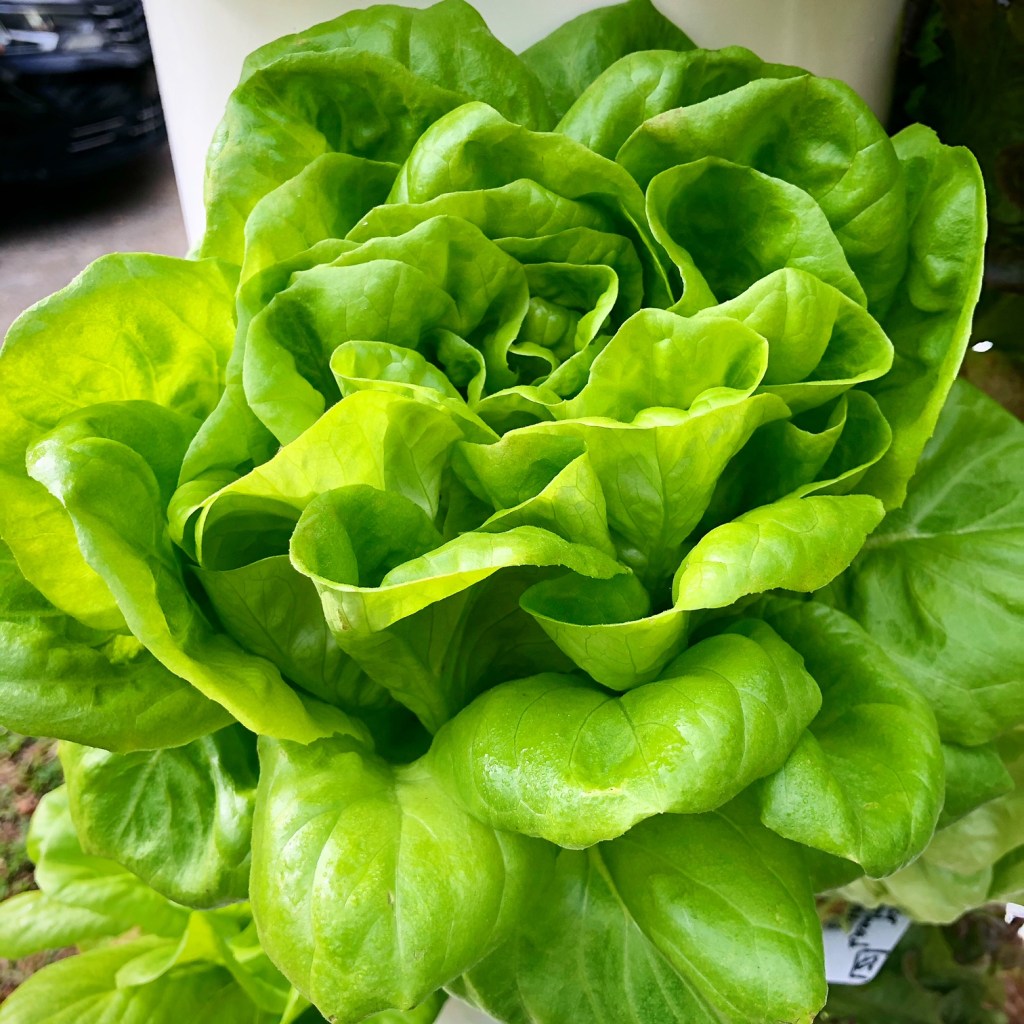











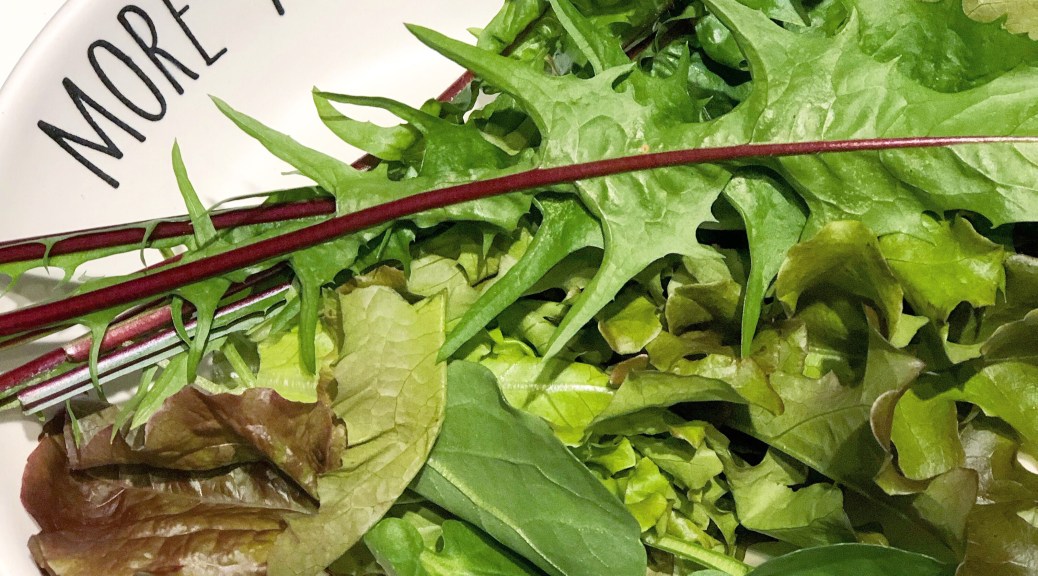


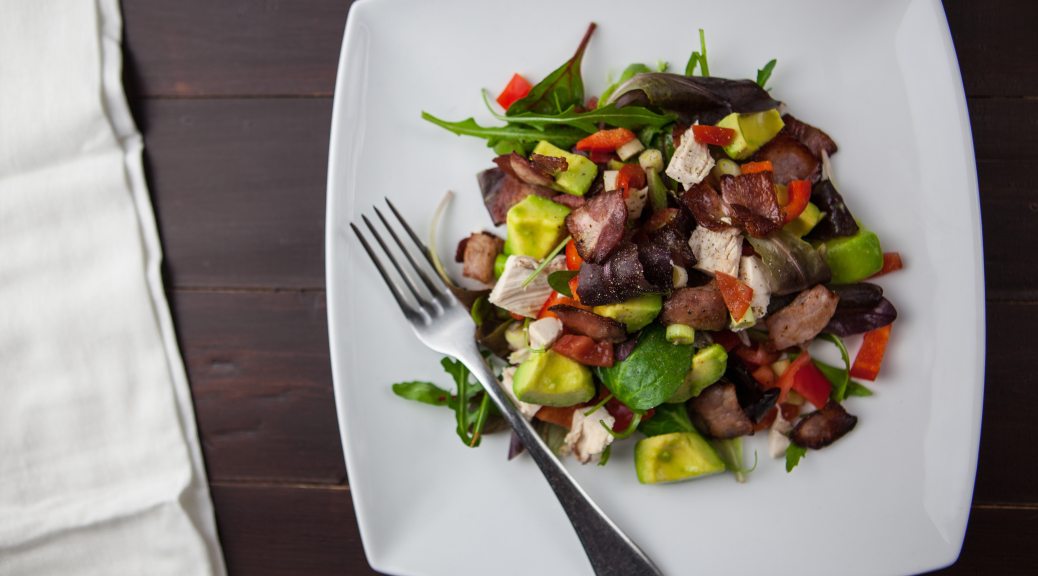



 Keep in mind that for most of us, lettuce has to travel quite a ways if you’re purchasing it from a big box store especially. 70%+ of all romaine is grown in Salinas, California. That means that romaine has to travel roughly 3,000 miles to get to my plate here in Atlanta, Georgia. They say on average it takes 10 days for a harvested romaine to get from the farm to our dinner plate! This is unacceptable! Especially since we know from industry studies that due to respiration rates of plants, nutrient availability decreases within the first 24-48 hours! That translates into you losing out nutritionally on the very purpose of eating that salad! So, with that in mind, simply starting by growing greens is a great place to start. I also like greens because of they mature in 4-6 weeks meaning you get to see your success (and enjoy the fruit of your efforts) earlier rather than later.
 Tomatoes are the most popular thing to grow. Ideally, you’ll want to look for varieties that have compact traits, but if you do have room next to your outdoor Tower Garden, make sure you can handle the growth habit on a trellis. My favorite tomato is an heirloom variety, Cherokee Purple, and it’s vining can reach up to 10′ or more if it’s given the nutrients it loves. (And BOY do they taste AMAZING!!!!) Cherry Tomato varieties are going to be prolific, so plan a space to support their growing needs to you have airflow and are able to easily keep pests from moving in on your crop.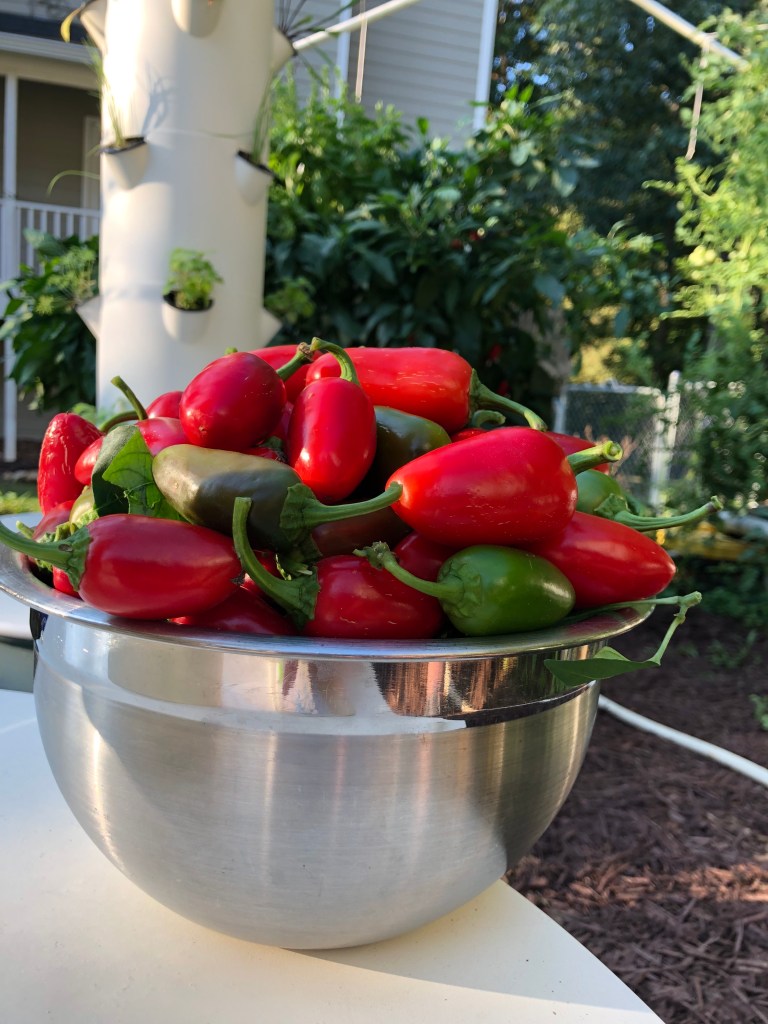



 Grow Your Health Gardening